Tue 7 Jul 2015, 14:13 GMT

Asia's first LNG-powered tug delivered


Vessel is the first of two tugs for China National Offshore Oil Corporation (CNOOC).


China National Offshore Oil Corporation (CNOOC) has taken delivery of Asia's first tugboat, Hai Yang Shi You 525, designed to operate solely on liquefied natural gas (LNG) as a marine fuel.

Hai Yang Shi You 525, the first of two tugs under contract to be built by Zhenjiang Shipyard for CNOOC, features a propulsion package based on twin Rolls-Royce Bergen C26:33L9PG engines and a pair of Rolls-Royce US 205 CP azimuth thrusters, which are designed to ensure the tugs have rapid manoeuvring and strong bollard pull capabilities.

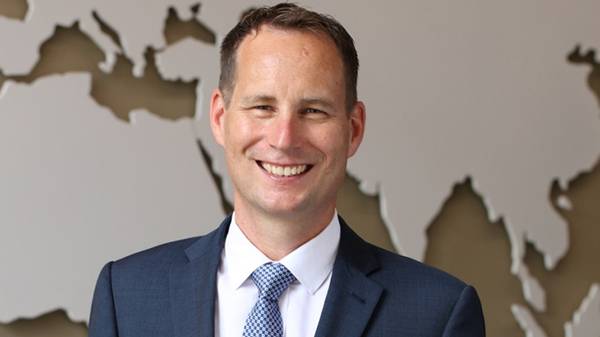
Richard Wang, Rolls-Royce, Senior Vice President - Commercial Marine, said: "We are proud to be powering Asia's first gas-powered tug so shortly after delivering Borgøy, the world's first LNG-powered tug, to Norwegian owner Buksèr og Berging.

"This order marks a new era for tugboat propulsion technology in China. As its shipbuilding industry shifts focus from standard designs to more sophisticated tonnage, more owners and operators will see the benefit of using cleaner, more efficient fuelling solutions for their vessels."

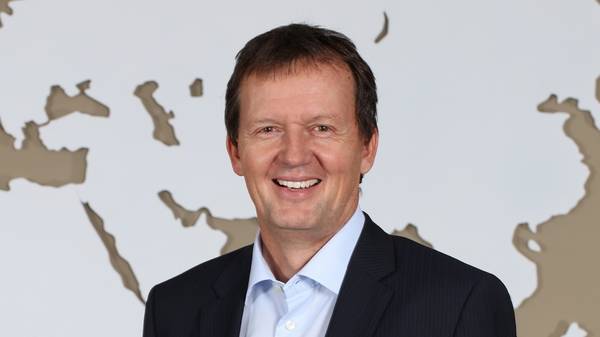
John Knudsen, Rolls-Royce, President - Commercial Marine, remarked: "We congratulate CNOOC and the Zhenjiang shipyard on the completion of Asia's first gas-powered tug. China is one of the world's largest importers of natural gas and already has the LNG infrastructure in place. This is a pioneering project in Asia and its success has been dependent on the excellent cooperation between CNOOC, Shanghai Bestway Engineering, Zhenjiang Shipyard and Rolls-Royce."

The decision by CNOOC to operate on LNG follows the Chinese government's 2011 plan to strengthen its maritime base with the manufacture of high-end, ecologically-efficient ships and technology.

According to Rolls-Royce, the Bergen C26:33 gas engines reduce CO2 emissions by 25 percent and NOx emissions by up to 90 percent. Oxides of sulphur and particulate are also removed, minimising emissions along coasts and inland waterways.

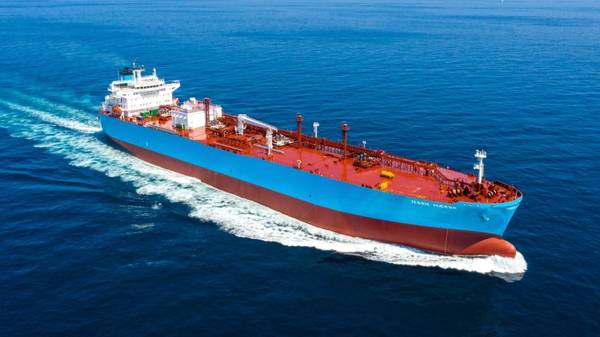
Image: Hai Yang Shi You 525 vessel


Bermuda Container Line (BCL) logo. Bermuda Container Line imposes emergency bunker surcharge citing Iran War fuel price spike  

Shipping operator to add $150 per TEU charge from 1 May amid geopolitical fuel cost pressures.

China flag. Zhejiang’s first methanol-powered container ship launches in Jiaxing  

Vessel uses methanol propulsion technology to reduce carbon dioxide emissions by 90%.

TES flag with a model vessel in the background. TES joins SEA-LNG coalition to advance e-methane as marine fuel  

Green energy company targets 1m tonnes annual e-methane production by 2030 for shipping decarbonisation.

Ethanol and methanol workshop graphic. IBIA to host workshop on ethanol and methanol marine fuels during Singapore Maritime Week  

Half-day event will examine alcohol-based fuel pathways and integration into shipping’s multi-fuel landscape.

Steel-cutting ceremony for 13,000-dwt vessel. ROC begins construction of second chemical tanker for Essberger  

Chinese shipbuilder holds steel-cutting ceremony for 13,000-dwt methanol-ready vessel with ice class capability.

Norsepower and CHIC sign agreement. Norsepower and Cosco Shipping Heavy Industry Equipment sign wind propulsion cooperation agreement  

Wind propulsion technology provider partners with Chinese shipyard to scale rotor sail production.

Wärtsilä logo. Shipping firms struggle to prioritise decarbonisation investments amid regulatory uncertainty, Wärtsilä survey finds  

Survey of 225 maritime executives reveals 70% say uncertainty hinders investment decisions despite regulatory pressure.

IMT Isca G-Flex vessel render. Longitude Engineering unveils IMT Isca G-Flex PSV design with alternative fuel capability  

Naval architecture firm launches adaptable platform support vessel design based on the IMT-984 G-Class hull.

Philippos Ioulianou, EmissionLink. Shore power infrastructure is key to cutting ferry emissions in European cities, says EmissionLink  

Port electrification is needed to enable vessels to switch off engines at berth, reducing urban pollution.

Maritime and Port Authority of Singapore logo. Singapore prioritises maritime resilience amid geopolitical uncertainty, eyes digitalisation and green fuels  

MPA chief outlines the sector’s adaptation to supply chain disruptions while advancing automation and alternative fuels.