Thu 4 Jun 2015, 10:35 GMT

Rolls-Royce gas engines reach 25 million operating hours


Engines powered solely by LNG have completed 25 million hours of operation since their introduction in 1991.


Rolls-Royce engines powered solely by liquefied natural gas (LNG) have completed 25 million hours of operation on land and at sea, since their introduction in 1991.

More than 650 Bergen lean burn gas engines are in service today, with a power output up to 9,600kW. The engines are used for a variety of applications ranging from powering ferries, cargo ships and tugs to a wide range of land-based power generation throughout the world.

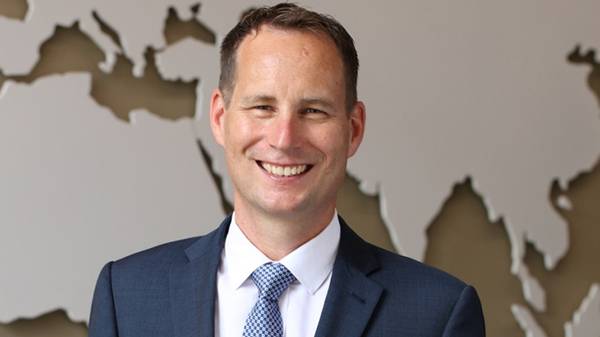
Dr. Ulrich Dohle, Rolls-Royce Power Systems Chief Executive Officer, said: "LNG is now firmly established as a major fuel option for the power generation and marine markets and this operating milestone underlines our position as a leading supplier of reliable, efficient, and clean gas engine technology."

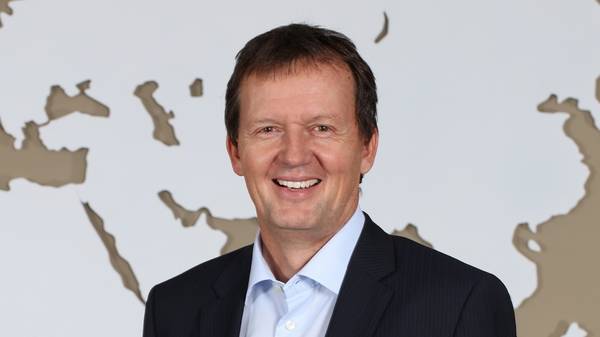
Mikael Makinen, Rolls-Royce President Marine, added: "Achieving 25 million running hours in almost 25 years is something we're extremely proud of. The reliability of our pure gas Bergen engines, built up from many years of round-the-clock power generation, is a key factor in their continuing selection for marine propulsion.

"That inherent reliability coupled with low emissions and running costs, means we can offer ship owners a range of engines ideally suited to their future operational and environmental requirements."

The gas-fuelled engines reduce nitrogen oxide (NOx) emissions by about 90 percent while sulphur oxide (SOx) and particulates emissions are negligible. Emissions from Rolls-Royce gas engines are already within the limits of International Maritime Organisation (IMO) Tier III environmental legislation, due to come into force in 2016.

The engine with the highest accumulated running hours is still operating today, powering the Lemvig power plant in Denmark. It has run more than 160,000 hours since installation in 1992.

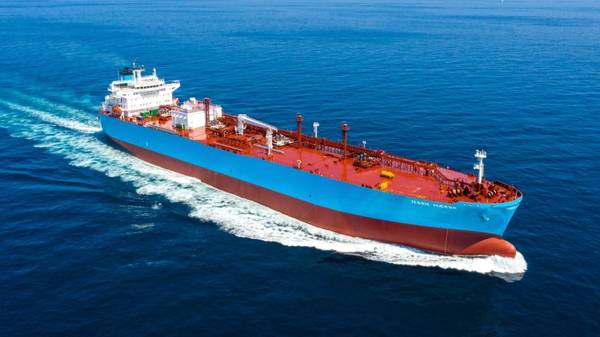
The first Bergen engines using LNG for marine use entered service in 2006 powering doubled-end car ferries, and their use has since been adopted for a growing range of ship types including coastal cargo ships, tankers, cruise ferries, tugs and offshore support vessels.

The Bergen engine range is produced by Rolls-Royce Power Systems, part of the Group's Land & Sea division.


Anglo-Eastern's ammonia pilot training course. Anglo-Eastern completes pilot training course for ammonia-fuelled vessels  

Ship manager prepares crew ahead of first ammonia-fuelled vessel takeover with inaugural training programme.

Burando Atlantic Group 2025 sustainability report cover. Burando Atlantic publishes first sustainability report, secures ISCC EU recertification  

Maritime group releases inaugural sustainability report while Burando Energies extends biofuel traceability certification.

Conceptual illustration of high-power marine fuel cell unit. ABB and HDF Energy to develop high-power fuel cells for large ships  

Joint development targets megawatt-scale hydrogen fuel cell units for container feeders and liquefied hydrogen carriers.

Chart showing Singapore TTM bunker sales, Aug '22 - Nov '25. Singapore bunker sales break new ground as TTM volumes surpass 56m tonnes  

Trailing 12-month bunker sales rise to new all-time record at Asian port.

Bow Leopard vessel. Odfjell launches operational green corridor between Brazil and Europe using biofuel  

Chemical tanker operator establishes route using B24 sustainable biofuel without subsidies or government support.

United LNG I vessel. Somtrans christens 8,000-cbm LNG bunker barge for Belgian and Dutch ports  

United LNG I designed for inland waterways and coastal operations up to Zeebrugge.

Photograph of a red container vessel. BIMCO adopts FuelEU Maritime and ETS clauses for ship sales, advances biofuel charter work  

Documentary Committee approves regulatory clauses for vessel transactions, progresses work on decarbonisation and emerging cargo contracts.

ABS, Eneos, NYK Line and Seacor Holdings logos side by side. Four companies launch study for US methanol bunkering network  

ABS, Eneos, NYK Line, and Seacor to develop ship-to-ship methanol supply operations on Gulf Coast.

CMA CGM Antigone naming ceremony. CMA CGM names dual-fuel methanol vessel for Phoenician Express service  

CMA CGM Antigone to operate on BEX2 route connecting Asia, the Middle East and Mediterranean.

Capt. Kevin Wong, Golden Island. Golden Island appoints Capt Kevin Wong as chief operating officer  

Wong to oversee ship management and low-carbon fuel development at Singapore-based marine fuels company.