Fri 12 Oct 2012, 15:17 GMT

Interferry welcomes EEDI decision


Trade association welcomes MEPC decision to proceed with a sector-specific methodology for establishing energy efficiency requirements for ro-ro cargo and ro-pax vessels.


Trade association Interferry has welcomed the decision at last week’s session of the IMO Marine Environment Protection Committee (MEPC) to proceed with a sector-specific methodology for establishing energy efficiency requirements for ro-ro cargo and ro-pax vessels.

The Energy Efficiency Design Index (EEDI) requirements for most other ship types – due in force from 2013 – had been agreed during a previous session, when an extended timeline was approved for ro-ro ferries due to the extensive variation of ships within this segment.

Interferry then worked closely with flag states and other industry bodies in an informal working group which assessed seven different proposals for a fair and sustainable EEDI formula that did not penalize the specialized power requirements of ro-ro operations.

A proposal by Germany, Sweden and the European shipbuilders association CESA was supported by Interferry as meeting these requirements and has now been recognized by the IMO as the best way forward.

In essence, the proposal incorporates ship design features into the efficiency formula, which otherwise typically focuses on the amount of installed power in relation to the vessel’s size and speed. The complex ro-ro ferry segment regarded this as too simplistic an approach – notably because many ferries are one-off, bespoke designs for a particular route, rather than one vessel in a large series.

Brussels-based Johan Roos [pictured], Interferry’s executive director of EU and IMO affairs, commented: "Our approach to a workable EEDI solution for ro-ro vessels was two-fold. Obviously it had to bring about absolute efficiency gains and a consequent reduction in greenhouse gas emissions. But we also had to ensure that new ships can be built for all ro-ro markets, taking into account any external factors – such as limitations on draught or length, or the need for having enhanced power to operate in tidal areas or across very busy straights.

"We look forward to finalizing these crucial technical requirements during the next MEPC session in May 2013."

Image: Johan Roos, Interferry's executive director of EU and IMO affairs.


Global Ethanol Association (GEA) and Vale logo side by side. Vale joins Global Ethanol Association as founding member  

Brazilian mining company becomes founding member of association focused on ethanol use in maritime sector.

KPI OceanConnect Logo. KPI OceanConnect seeks marine fuel trading intern in Singapore  

Bunker supplier advertises role offering exposure to commercial and operational aspects of marine fuel business.

Frank Dahan, CSL Group. CSL Group's Frank Dahan appointed chair of IBIA's Americas regional board  

Dahan brings 29 years of marine transportation and energy experience to the role.

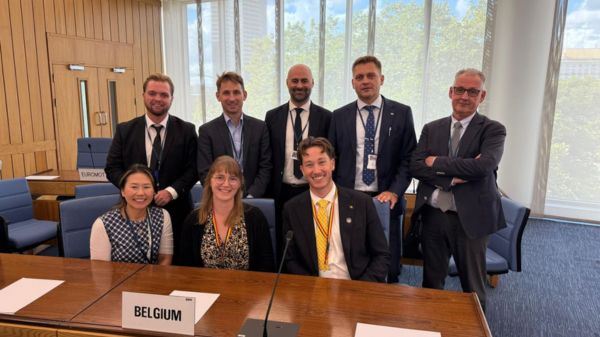
IMO Member States, Belgium delegation. Lloyd's Register, EXMAR, and Belgium’s Federal Public Service develop interim guidelines for ammonia cargo as fuel  

Guidelines expected to receive formal IMO approval in May 2026, enabling ammonia use on gas carriers.

Knut Ørbeck-Nilssen, DNV. DNV to lead Nordic roadmap Phase 2 for zero-carbon shipping transition  

Programme will identify green corridors and tackle cost barriers through new financing approaches.

Monjasa logo. Monjasa seeks trader for Dubai operations  

Marine fuel supplier recruiting for trading role covering sales, purchasing, and logistics in UAE.

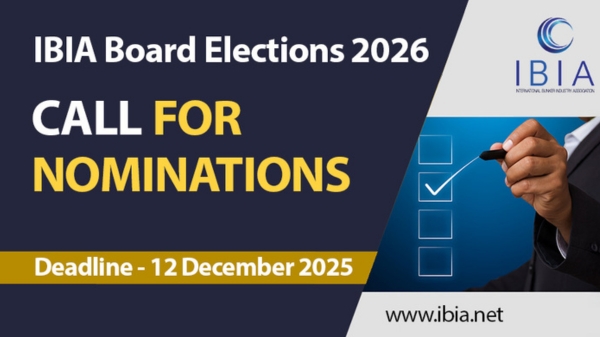
IBIA Board Elections 2026 – Call for Nominations announcement. IBIA calls for board election nominations ahead of Friday deadline  

Association seeks candidates for 2026 board positions with submissions closing 12 December.

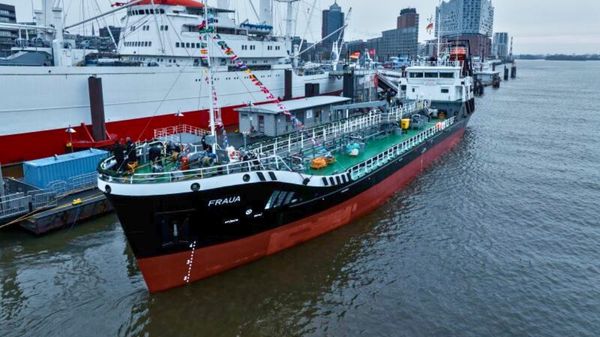
Fraua vessel. BMT Bunker adds tanker MT Fraua to fleet  

BMT Bunker und Mineralöltransport has expanded its fleet with a new vessel.

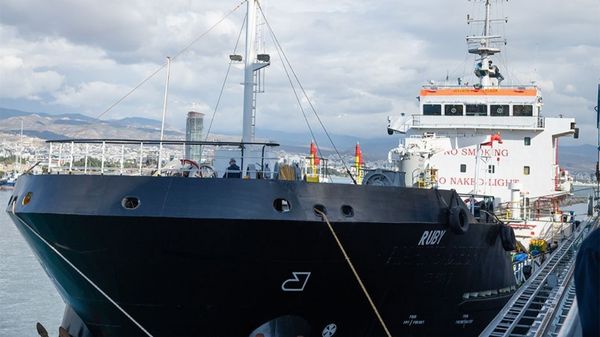
Ruby bunkering vessel. Island Oil expands Cyprus bunkering fleet with vessel Ruby  

Island Oil adds second bunkering vessel to strengthen marine fuel supply operations in Cyprus.

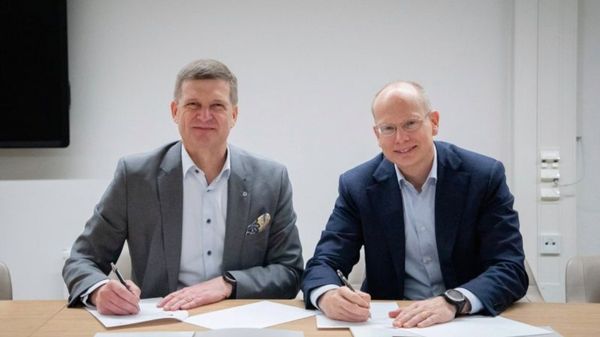
Wärtsilä and Aalto University partnership signing. Wärtsilä and Aalto University extend R&D partnership to accelerate marine decarbonisation  

Five-year agreement expands international collaboration on alternative fuels and clean energy technologies.