
|
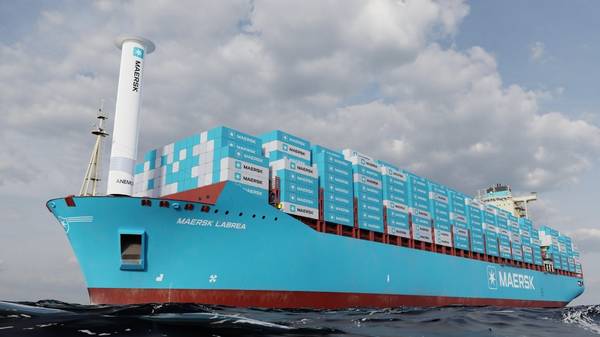
Maersk and Anemoi to fit rotor sail on container vessel in industry first
35-metre rotor sail is due to be installed on an 8,700-TEU ship in mid-2027. |
|
|
|
||
|
Verde Marine Energy expands into marine lubricants with veteran trader hire
Dutch firm offers clients the option to manage fuel and lubricant sourcing through one point of contact. |
|
|
|
||
|
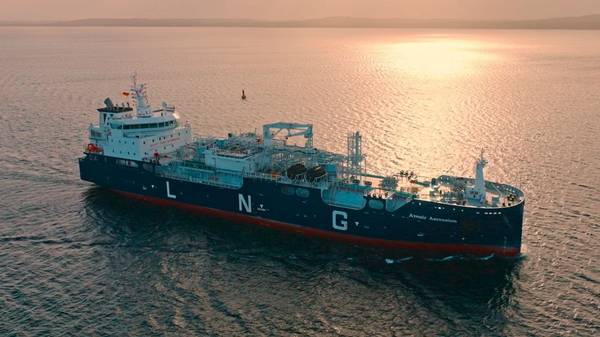
NYK and Stolt-Nielsen complete Avenir LNG joint venture
NYK acquires a 50% stake in Avenir LNG from Stolt-Nielsen, creating a joint ownership and operating structure for LNG bunkering. |
|
|
|
||
|
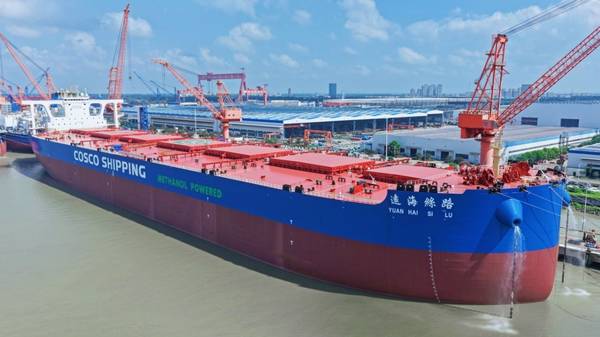
Cosco Shipping names green methanol-capable ore carrier Yuan Hai Si Lu in Yangzhou
325,000-DWT vessel features dual-fuel capability and what is claimed to be a world-first digital delivery system. |
|
|
|
||
|
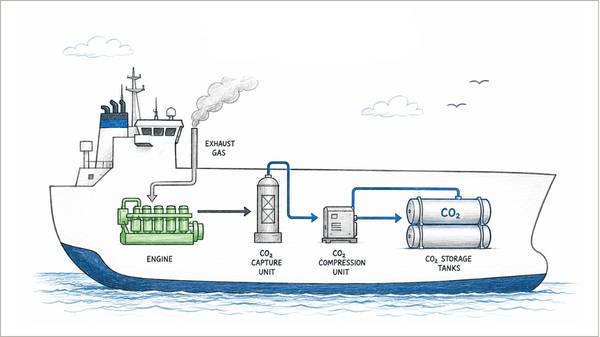
Onboard carbon capture a viable emissions pathway for shipping fleet, Lloyd’s Register report finds
New LR report backs onboard carbon capture but flags infrastructure gaps as the key barrier. |
|
|
|
||
|
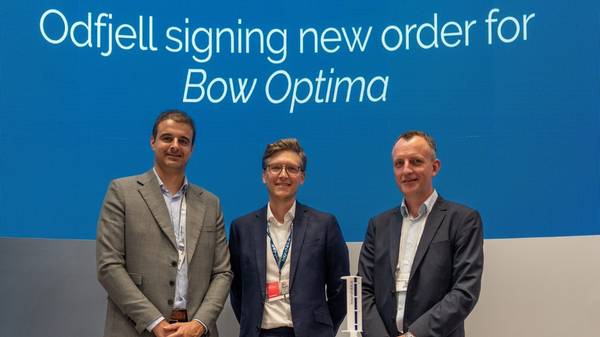
Odfjell places repeat eSAIL order with bound4blue for second chemical tanker
Early fuel savings reported on Bow Olympus drive second suction sail installation for Odfjell. |
|
|
|
||
|
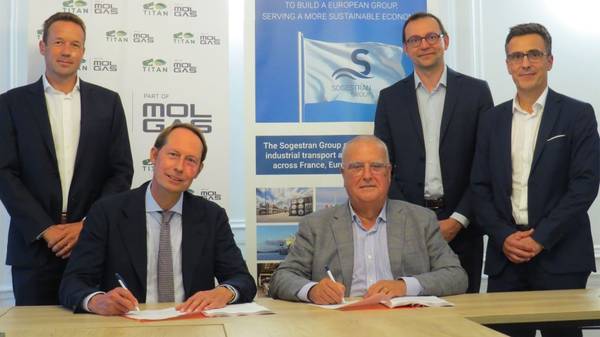
Titan and Sogestran agree long-term deal for new 6,000-cbm LNG bunker vessel in western Mediterranean
Tie-up aims to bring LNG and LBM ship-to-ship bunkering services to Mediterranean ports. |
|
|
|
||
|
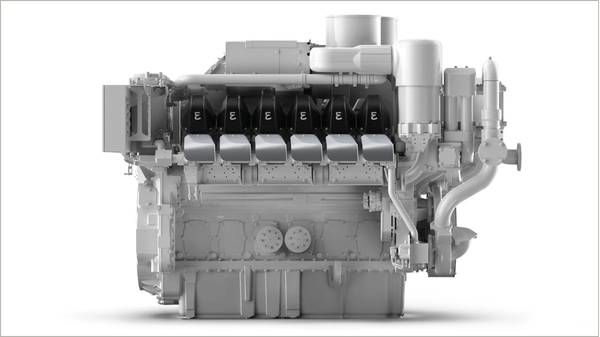
Everllence completes full-scale testing of dual-fuel methanol engine in Denmark
First deliveries to superyacht customers slated for mid-2027. |
|
|
|
||
|
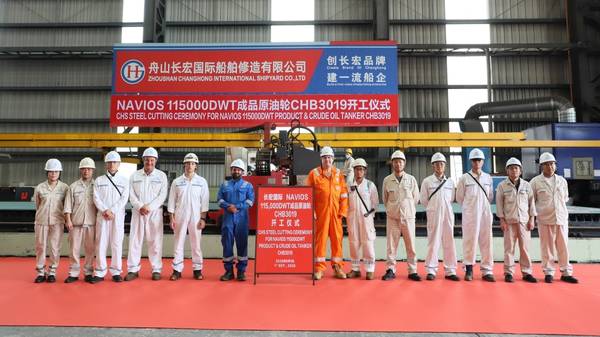
Changhong International starts construction on 11th LR2 tanker for Navios
Chinese shipbuilder cuts steel on latest vessel in series designed with future fuel flexibility. |
|
|
|
||
|
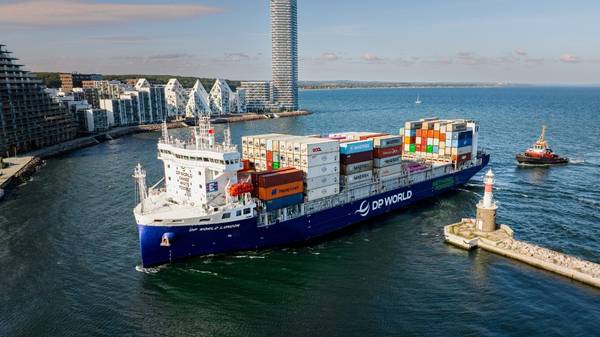
DP World names first methanol dual-fuel vessel at ceremony in Aarhus
Marine services business, Shipping Solutions, names 1,250-TEU boxship with five-cylinder main engine. |
|
|
|
||
| Oil outlook forecasts rising prices in 2010 [News & Insights] |
| Countdown to London-Antwerp Global Risk seminars [News & Insights] |
| Global Risk Management appoints new employee [News & Insights] |
| Gold an 'early warning' of higher oil prices [News & Insights] |

