
 |
Wärtsilä has outlined four significant developments it expects will define the shipping industry in 2026, highlighting how digitalisation, decarbonisation, regulatory pressure and long-term fleet planning will reshape decision-making for shipowners in the year ahead.
The technology group said vessel operators are increasingly moving away from short-term upgrades and adopting full-lifecycle strategies that account for efficiency, emissions, and cost performance from a ship’s initial design stage through retirement. Wärtsilä noted that this shift requires stronger cooperation between owners, operators, and equipment manufacturers to ensure consistent performance and to protect asset value over time.
Decarbonisation remains another central focus. Wärtsilä emphasised that no single approach fits all vessels, and strategies must reflect operating patterns, fuel availability and commercial priorities. The company pointed to fuel-flexible engines, hybrid propulsion systems and methane slip reduction technologies as examples of solutions that help operators stay competitive as climate requirements tighten.
Digitalisation and data-driven operations are also set to expand their influence across the sector. As ships adopt hybrid power arrangements and alternative fuel systems, Wärtsilä said the industry needs deeper digital integration to manage the added complexity.
Advanced analytics, when properly applied, can provide real-time optimisation guidance that reduces fuel use, lessens emissions, and lowers operating costs. However, Wärtsilä acknowledged that data governance and system integration remain barriers to broader adoption.
Regulatory uncertainty is the final trend shaping in 2026. Although the IMO’s Net-Zero Framework has been delayed, the broader regulatory environment is still advancing. Measures such as the EU Emission Trading System and FuelEU Maritime already affect a significant part of global shipping, pushing companies to strengthen reporting, monitoring and compliance systems.
"As we look ahead to 2026, collaboration will play a vital part in driving the sustainable transformation of shipping and shaping a cleaner and smarter future for the maritime industry," said Roger Holm, President of Wärtsilä Marine. "Wärtsilä's leadership in fuel flexibility, integration, and cross-industry partnerships reflects the growing need for OEMs, operators, ports, fuel providers, and regulators to work together."
Holm added: "Legislation is critical to accelerating investment in alternative fuels, but it is no silver bullet. Decarbonisation is a team effort. The maritime ecosystem is full of remarkable ingenuity and world-class technical excellence that we can use to drive decarbonisation and digitalisation hand in hand."
Wärtsilä Marine develops technologies for the marine market, including engines, propulsion systems, hybrid technology, exhaust treatment, and digital technologies. The wider Wärtsilä group, which operates in the marine and energy markets, employs 18,300 professionals in more than 230 locations across 77 countries and reported net sales of €6.4bn in 2024.
|
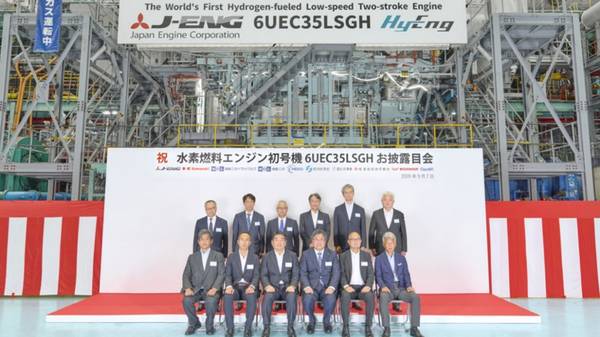
Japan Engine completes land-based testing of landmark hydrogen-fuelled engine for large vessels
Hydrogen co-firing rate of at least 95% achieved during factory testing. |
|
|
|
||
|
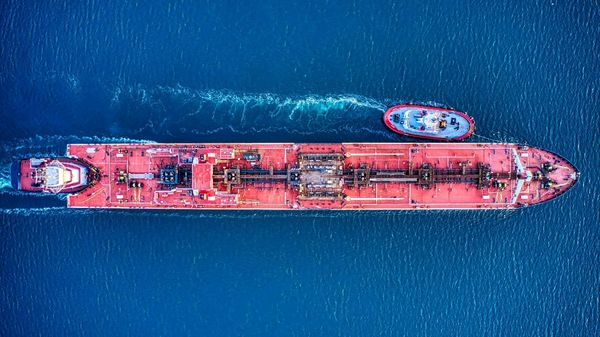
Ethanol edges into shipping’s fuel mix as methanol crossover eases adoption barriers
Rising interest from cargo owners, shared technology with methanol and Brazilian production growth push ethanol beyond regional niche status. |
|
|
|
||
|
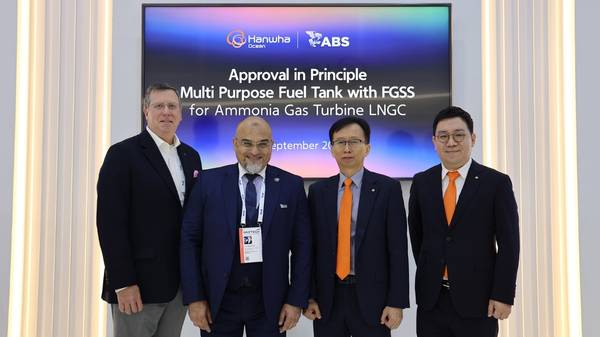
ABS grants Hanwha Ocean approval for dual-fuel tank enabling LNG-to-ammonia switch
In-principle approval awarded for fuel tank and supply system enabling LNG carriers to convert to ammonia without replacement. |
|
|
|
||
|
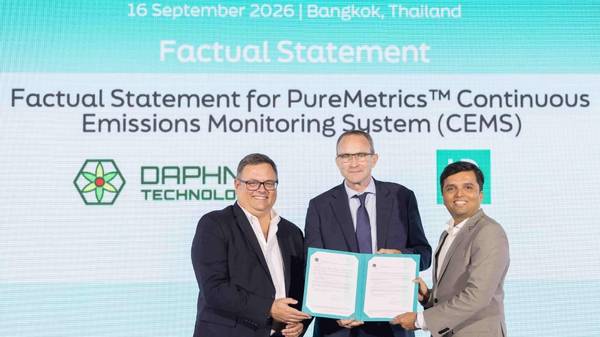
Lloyd's Register confirms suitability of Daphne Technology's emissions monitoring system
Factual Statement validates the PureMetrics design for monitoring greenhouse gas emissions from marine engines. |
|
|
|
||

|
IMO issues shipboard biofuel blend checklist developed by IBIA
Checklist for FAME-based biofuels formally incorporated into IMO document, supporting crews handling biofuel blends for the first time. |
|
|
|
||
|
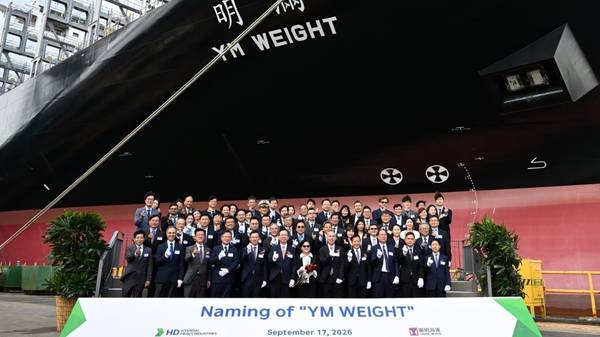
Yang Ming names fourth LNG dual-fuel container vessel YM Weight
Newbuild features high-pressure dual-fuel main engines capable of running on either LNG or low-sulphur fuel oil. |
|
|
|
||
|
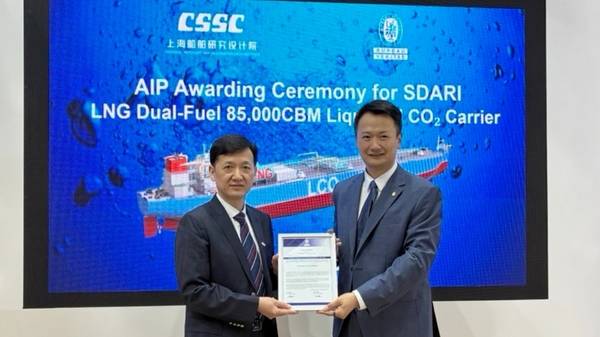
Bureau Veritas grants AiP to SDARI’s LNG dual-fuel liquefied CO₂ carrier design
Classification society approves 85,000-cbm vessel concept designed to support the growing carbon capture and storage sector. |
|
|
|
||

|
JuWonOil looking to strengthen with two Houston hires
Texas-based firm is recruiting a marine lubricants sales executive and a marine fuels and distillates trader. |
|
|
|
||
|
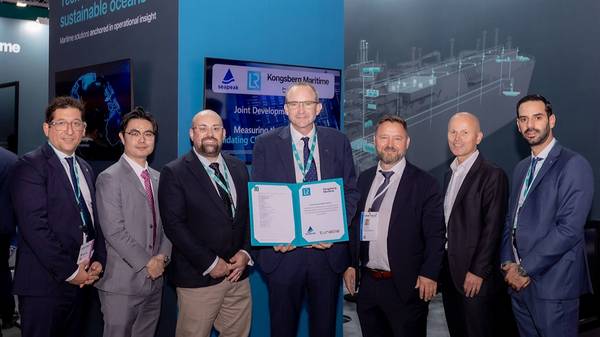
Four firms partner to trial continuous emissions monitoring on LNG carrier
LR, Seapeak, Kongsberg Maritime and Tunable will test onboard CO₂ monitoring against engine data and default emissions factors. |
|
|
|
||
|
Bunker Holding reshuffles commercial leadership across brand portfolio
Appointments announced across KPI OceanConnect, Glander International Bunkering and its digital sales operations. |
|
|
|
||
| Wärtsilä secures sixth hybrid propulsion order from Aasen Shipping for bulk carrier series [News & Insights] |
| SIPG orders Wärtsilä systems for new LNG bunker vessel [News & Insights] |
| Wärtsilä signs 15-year lifecycle agreement for three CLSICO LNG carriers [News & Insights] |
| Wind propulsion offers 'no fundamental barriers' for LNG carriers, study finds [News & Insights] |
| Shipowners risk financial exposure by delaying EU allowance transfers, EmissionLink warns [News & Insights] |
| SEA-LNG urges EU to protect mass-balance pathway for liquefied biomethane [News & Insights] |
| Orlen and Port of Gdynia partner to explore LNG and bio-LNG bunkering options [News & Insights] |
| EmissionLink urges demand aggregation to unlock zero-emission fuel investment [News & Insights] |
