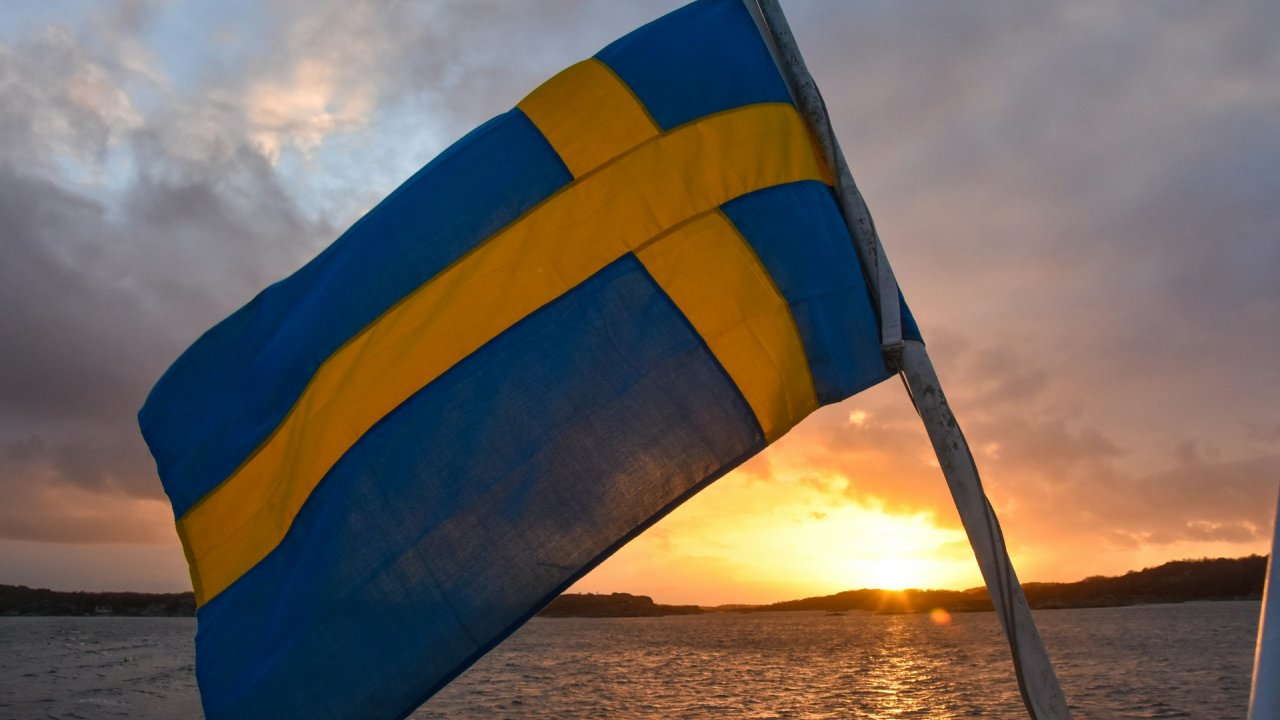
The Swedish government has announced a ban on discharges from scrubbers, effective from July 1, 2025 for open systems and from January 1, 2029 for all types.
The decision applies to all vessels operating in Swedish territorial waters, marking a significant shift in policy aimed at protecting marine ecosystems.
Minister of Infrastructure and Housing, Andreas Carlson, stated: "We are now banning ships from discharging scrubber water into Swedish waters. Most Swedish shipowners already run on fuel with a low enough sulphur content to not need scrubbers. But with this decision, no ships that operate in our seas are allowed to discharge scrubber water into Swedish territorial waters."
Ship scrubbers are designed to remove harmful pollutants from exhaust gases, thus lowering sulphur emissions. However, scrubbers with open systems discharge treated wash water, which contains various pollutants, directly into the sea. Closed systems, while preventing direct discharge, still produce drain water that can contain hazardous substances.
According to Minister of Climate and Environment, Romina Pourmokhtari, "Emissions from ship scrubbers are — even in very low concentrations — harmful to our marine environment." She added that the use of these systems increases overall fuel consumption by approximately 2-3 percent, contributing further to carbon dioxide emissions.
The government's decision aligns with its marine environment bill, which includes a memorandum submitted in June 2024 proposing a regulatory change. The amendments needed for the ban to take effect have now been approved.
As noted, the discharges from open ship scrubbers to water will be prohibited by mid-2025, while a total prohibition on discharges from all types of scrubbers to water will come into effect in early 2029.
This ban is part of broader regional initiatives on marine environmental protection. Alongside Sweden, Finland has implemented similar prohibitions, and Denmark is also moving towards a future ban on scrubber discharges.
The Swedish government says it is continuing to engage in international discussions to promote emission reductions across larger maritime areas, aiming to extend these protective measures beyond national waters.
|
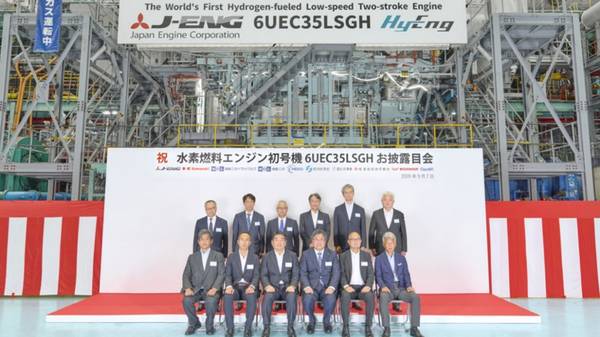
Japan Engine completes land-based testing of landmark hydrogen-fuelled engine for large vessels
Hydrogen co-firing rate of at least 95% achieved during factory testing. |
|
|
|
||
|
Ethanol edges into shipping’s fuel mix as methanol crossover eases adoption barriers
Rising interest from cargo owners, shared technology with methanol and Brazilian production growth push ethanol beyond regional niche status. |
|
|
|
||
|
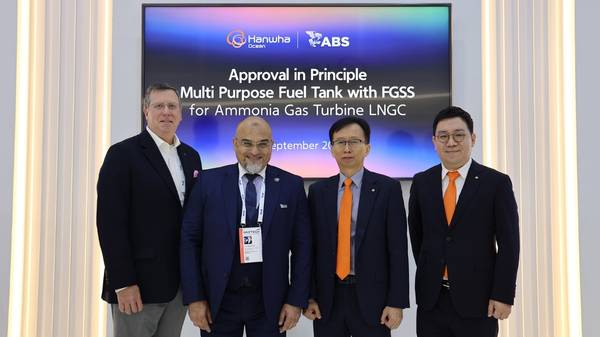
ABS grants Hanwha Ocean approval for dual-fuel tank enabling LNG-to-ammonia switch
In-principle approval awarded for fuel tank and supply system enabling LNG carriers to convert to ammonia without replacement. |
|
|
|
||
|
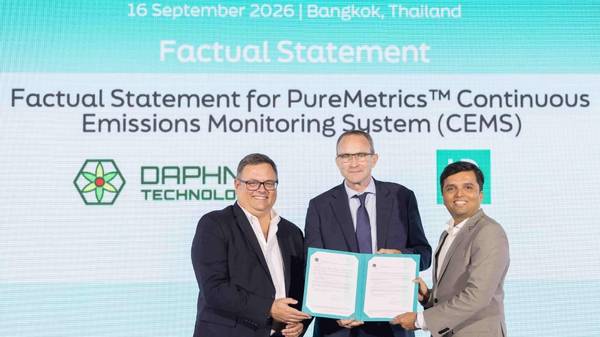
Lloyd's Register confirms suitability of Daphne Technology's emissions monitoring system
Factual Statement validates the PureMetrics design for monitoring greenhouse gas emissions from marine engines. |
|
|
|
||

|
IMO issues shipboard biofuel blend checklist developed by IBIA
Checklist for FAME-based biofuels formally incorporated into IMO document, supporting crews handling biofuel blends for the first time. |
|
|
|
||
|
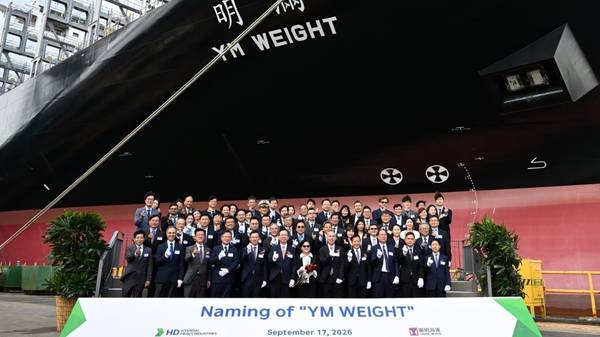
Yang Ming names fourth LNG dual-fuel container vessel YM Weight
Newbuild features high-pressure dual-fuel main engines capable of running on either LNG or low-sulphur fuel oil. |
|
|
|
||
|
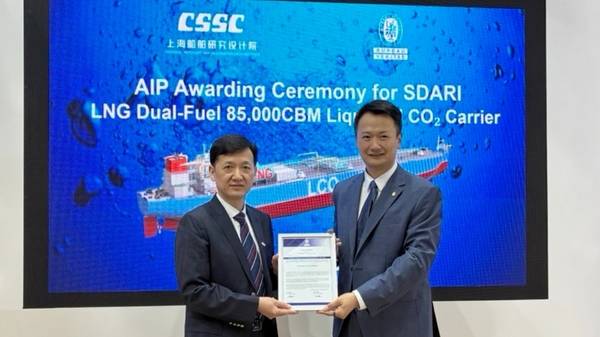
Bureau Veritas grants AiP to SDARI’s LNG dual-fuel liquefied CO₂ carrier design
Classification society approves 85,000-cbm vessel concept designed to support the growing carbon capture and storage sector. |
|
|
|
||

|
JuWonOil looking to strengthen with two Houston hires
Texas-based firm is recruiting a marine lubricants sales executive and a marine fuels and distillates trader. |
|
|
|
||
|
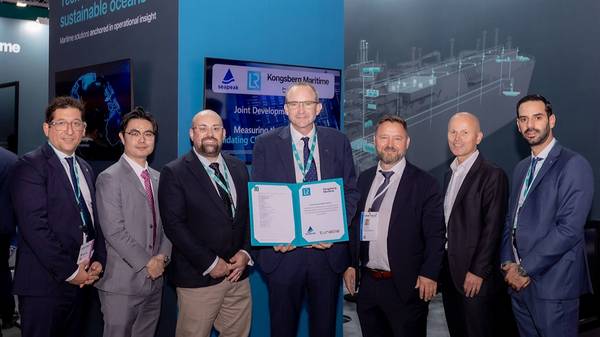
Four firms partner to trial continuous emissions monitoring on LNG carrier
LR, Seapeak, Kongsberg Maritime and Tunable will test onboard CO₂ monitoring against engine data and default emissions factors. |
|
|
|
||
|
Bunker Holding reshuffles commercial leadership across brand portfolio
Appointments announced across KPI OceanConnect, Glander International Bunkering and its digital sales operations. |
|
|
|
||
| ScanOcean and Neste launch lower-emission gasoil in Sweden [News & Insights] |