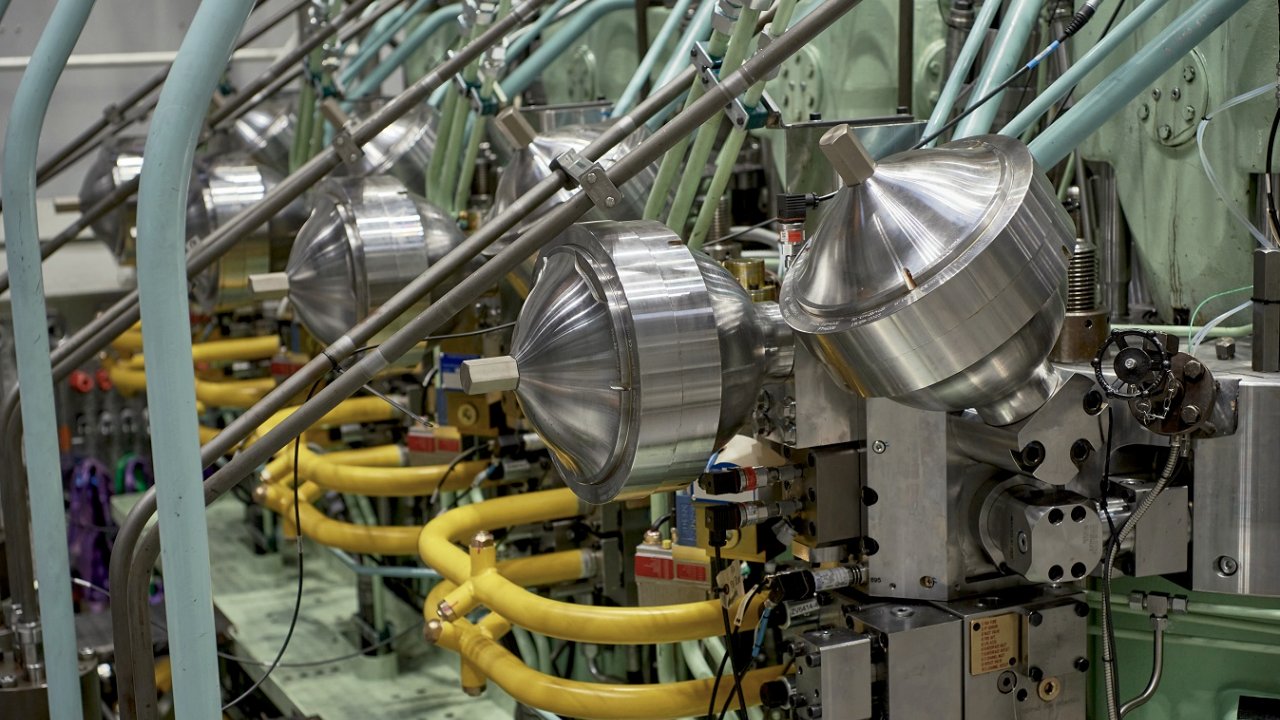
MAN Energy Solutions has announced that its ME-LGIA (Liquid Gas Injection Ammonia) engine has successfully operated at 100% engine load for the first time during tests conducted at its Research Centre Copenhagen (RCC). This achievement marks a notable advancement in the company's ongoing efforts to develop ammonia-fuelled marine engines.
The testing process commenced in November 2024 and has been characterised by a careful and safety-oriented approach, according to Ole Pyndt Hansen, Head of Two-Stroke Research & Development at MAN Energy Solutions. "We began full-scale testing in November 2024 and have since proceeded in a cautious and safety-first way," he stated. The engine has now been tested on ammonia fuel across a load range from 25% to 100%, leading to the validation of the ammonia fuel-injection system throughout the entire load curve, with diesel-pilot amounts recorded in alignment with the company's targets.
In addition to achieving full engine load, the company claims that the positive emissions and performance characteristics observed during earlier single-cylinder tests have been confirmed in full-scale engine operations. MAN Energy Solutions asserts that its proprietary selective catalytic reduction (SCR) technology functioned effectively across all test loads, treating exhaust gases accordingly while ensuring that all supply and safety systems performed as expected.
Looking ahead, the next stages of testing will emphasise enhancing performance and optimising emissions, focusing on the injection and SCR systems, as well as refining control strategies. Christian Ludwig, Head of Global Sales & Promotion for the Two-Stroke Business at MAN Energy Solutions, remarked on the engine's power take-off (PTO) capability. He explained that "the ME-LGIA concept is based on the diesel-cycle combustion principle, which makes it eminently suitable for PTO."
Prior simulations of the PTO capabilities on the ammonia engine yielded favourable results, and Ludwig expressed satisfaction at seeing these outcomes replicated in real-world testing. The company intends to provide PTO support for the ME-LGIA equivalent to that of its other diesel-cycle engines within its low-speed portfolio.
|
Kuehne+Nagel seeks marine energy pricing analyst in Greece
Logistics firm recruiting for role focused on bunker pricing formulas and compliance cost analysis. |
|
|
|
||
|
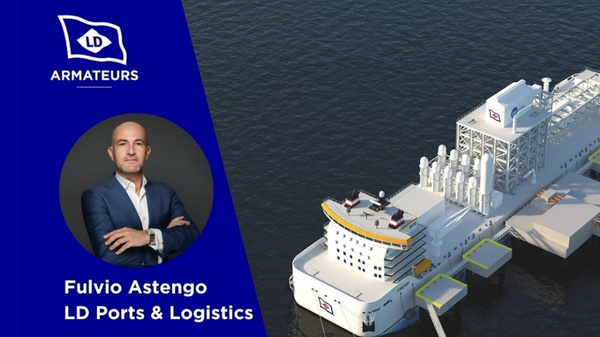
LD Armateurs to present floating ammonia terminal concept at London energy conference
French shipowner to showcase FRESH platform design for offshore hydrogen and ammonia supply chains. |
|
|
|
||
|
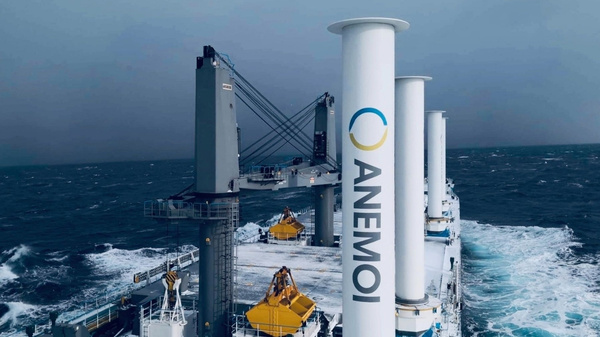
Anemoi rotor sails complete eight years of operation on bulk carrier M/V Afros
Lloyd’s Register survey finds no operational issues with wind propulsion system after extended service. |
|
|
|
||

|
Bunker Holding promotes Mikkel Kannegaard to chief operating officer
Kannegaard has led transformation of supply organisation since joining in August 2025. |
|
|
|
||

|
Uni-Fuels seeks general manager for London bunker trading desk
Nasdaq-listed marine fuel supplier recruits for commercial leadership role with P&L responsibility. |
|
|
|
||
|
NE Atlantic ECA will cause significant change to the current fuel mix | Steve Bee, VPS
The possibility of off-spec issues highlights the continuing need for proactive fuel testing to protect vessels. |
|
|
|
||
|
Smart ships failing to convert data into actionable intelligence, warns SmartSea
Maritime technology firm claims vessels collect vast amounts of data but lack integration to support decision-making. |
|
|
|
||
|
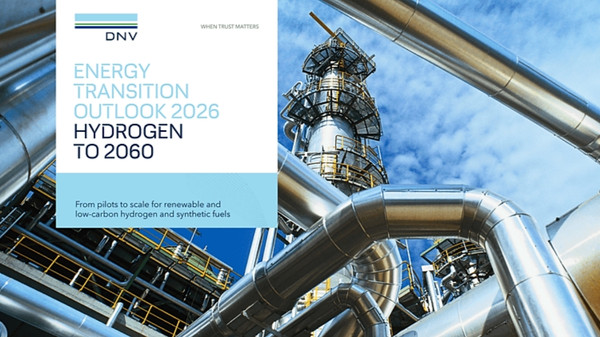
DNV forecasts 100-fold growth in clean hydrogen by 2060, with China leading expansion
Classification society projects $3.2tn investment in hydrogen sector, with maritime accounting for 15% of clean hydrogen use. |
|
|
|
||
|
Dual-fuel container ship and vehicle carrier fleet surpasses 1,200 vessels
World Shipping Council reports 65% year-on-year increase in operational dual-fuel vessels to 440 ships. |
|
|
|
||
|
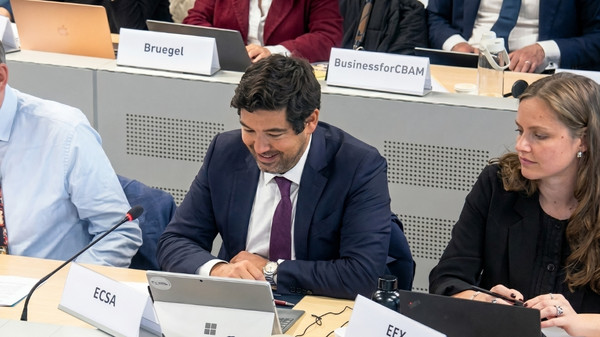
European Shipowners calls for ETS revenue investment and fuel supplier mandate
ECSA urges the EU to invest €9bn in annual ETS revenues in fuel production and infrastructure. |
|
|
|
||
| Air Liquide and Vopak to collaborate on ammonia project in Singapore [News & Insights] |
| Wärtsilä launches Ammonia Fuel Supply System [News & Insights] |
| Bunker Holding and NeoGreen Hydrogen sign MoU for green ammonia and synthetic fuels [News & Insights] |
| OCI Global and Victrol partner to develop ammonia bunkering supply chain in Netherlands and Belgium [News & Insights] |
| GCMD and CIMAC sign partnership to advance alternative marine fuel readiness [News & Insights] |
| Gulf tensions expose shipping’s continued reliance on fossil fuels, says Fuelre4m [News & Insights] |
| Asia-Pacific ports advance cross-sector hydrogen and e-fuel infrastructure [News & Insights] |
| MISC orders two LNG dual-fuel Suezmax tankers as part of fleet renewal [News & Insights] |