Tue 13 Jun 2017, 00:44 GMT

Fujairah issues new Qatar 'sanctions' notice


UAE bunker hub releases update to its previous announcement on June 5.


The Port of Fujairah issued a new circular on Monday related to 'sanctions' on vessels with links to Qatar; it amends the port's previous announcement, released on June 5.

In Monday's notice, the UAE port explained that last week's circular had been amended after receiving instructions by the Federal Transport Authority - Land and Maritime (FTA), which said that:

1. UAE ports cannot receive any Qatari-flagged vessels or ships owned by Qatari Companies or Qatari individuals.

2. UAE ports are not permitted to load or unload any cargo of Qatari origin.

3. UAE ports cannot allow ships to load any cargo of UAE origin to Qatar.

The new restrictions differ from those announced last week, which stated that "vessels flying flags of Qatar or vessels destined to or arrival from Qatar ports are not allowed to call Port of Fujairah and Fujairah Offshore Anchorage regardless their nature of call till further notice".

Commenting on the wording of today's notice, Rania Tadros, managing partner at law firm Ince & Co in Dubai, remarked: "The FTA notice differs in substance to notices which have been issued by some of the ports within the UAE during the course of the last week, and it will be interesting to see how the measures are now implemented.

"Of particular relevance is the fact that there is no reference to vessels not being given port clearance if the last port of call or next port of call is Qatar. As Fujairah Port has now updated its circular, this should mean that vessels which have loaded in Qatar and wish to bunker in Fujairah may be able to do so as long as they are not Qatari flagged or owned."

Suez Canal access

Tadros observed that there has been no suggestion from the Egyptian authorities that they will extend their actions to include restricting access to the Suez Canal for Qatari vessels and cargo. There have been recent suggestions that two Qatari owned vessels changed course as they were approaching the Suez Canal.

"There has been considerable speculation over access to the Suez Canal. Although Article 1 of the Convention of Constantinople (1888) provides access to the Canal to all vessels, irrespective of flag, Article 10 permits the Egyptian authorities to take measures for the defence of Egypt and the maintenance of public order. Accordingly, it is possible that Egyptian Authorities could use Article 10 as a reason to prevent entry. However, blocking Qatari vessels/vessels carrying Qatari cargo would have a significant impact on trade and trading patterns and there is no current indication from the Egyptian Government that it is adopting such a stance," Tadros said.

Contractual implications

Ince & Co also highlighted several contractual considerations for shipping companies facing disruption from the situation in Qatar.

Tadros noted: "There are a number of contractual issues facing the shipping industry as a result of these developments. Charterparty provisions over 'blockade' and safe port/berth warranties may be relevant under these circumstances. The concept of 'frustration' may also arise if a vessel cannot get close to its nominated port as a result of the measures announced by the UAE, Saudi Arabia and Bahrain. Given these and other issues, those entering into charterparties that might be affected by the closure of ports to Qatari trade should consider incorporating terms that allocate the associated risks.

"It is also possible that the wording of existing clauses may be wide enough to embrace the prohibitions put in place by the UAE and others in relation to Qatari vessels. A party may also be able to rely on a force majeure event if it is expressly entitled to do so under the contract."


Global Ethanol Association (GEA) and Vale logo side by side. Vale joins Global Ethanol Association as founding member  

Brazilian mining company becomes founding member of association focused on ethanol use in maritime sector.

KPI OceanConnect Logo. KPI OceanConnect seeks marine fuel trading intern in Singapore  

Bunker supplier advertises role offering exposure to commercial and operational aspects of marine fuel business.

Frank Dahan, CSL Group. CSL Group's Frank Dahan appointed chair of IBIA's Americas regional board  

Dahan brings 29 years of marine transportation and energy experience to the role.

IMO Member States, Belgium delegation. Lloyd's Register, EXMAR, and Belgium’s Federal Public Service develop interim guidelines for ammonia cargo as fuel  

Guidelines expected to receive formal IMO approval in May 2026, enabling ammonia use on gas carriers.

Knut Ørbeck-Nilssen, DNV. DNV to lead Nordic roadmap Phase 2 for zero-carbon shipping transition  

Programme will identify green corridors and tackle cost barriers through new financing approaches.

Monjasa logo. Monjasa seeks trader for Dubai operations  

Marine fuel supplier recruiting for trading role covering sales, purchasing, and logistics in UAE.

IBIA Board Elections 2026 – Call for Nominations announcement. IBIA calls for board election nominations ahead of Friday deadline  

Association seeks candidates for 2026 board positions with submissions closing 12 December.

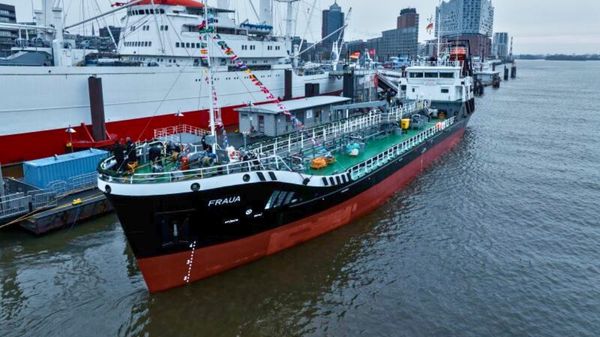
Fraua vessel. BMT Bunker adds tanker MT Fraua to fleet  

BMT Bunker und Mineralöltransport has expanded its fleet with a new vessel.

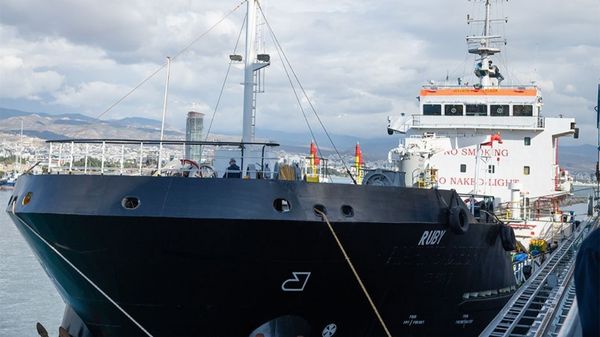
Ruby bunkering vessel. Island Oil expands Cyprus bunkering fleet with vessel Ruby  

Island Oil adds second bunkering vessel to strengthen marine fuel supply operations in Cyprus.

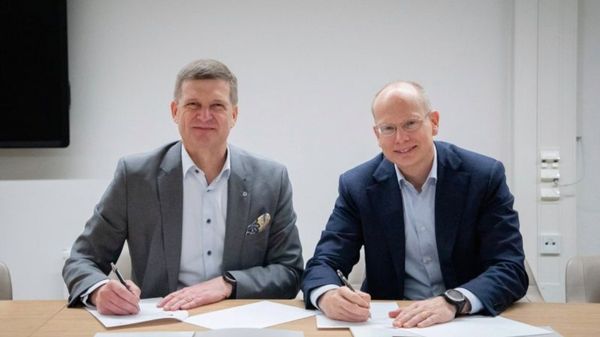
Wärtsilä and Aalto University partnership signing. Wärtsilä and Aalto University extend R&D partnership to accelerate marine decarbonisation  

Five-year agreement expands international collaboration on alternative fuels and clean energy technologies.