Tue 25 Oct 2016, 13:13 GMT

Presentation of 2020 fuel availability study at MEPC 70


Shortage of compliant, low-sulphur fuel is unlikely, according to study.


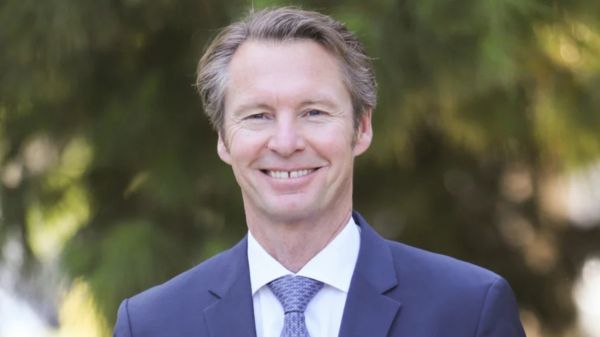
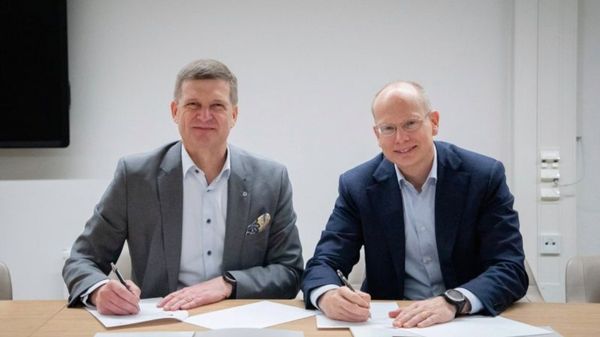
Tristan Smith [pictured], head of the shipping research group at UCL Energy Institute (UCL-Energy) and member of the University Maritime Advisory Services (UMAS) team, on Monday discussed the results of a CE Delft-led study consortium commissioned by the International Maritime Organization (IMO) during a lunchtime presentation at the 70th session of the Marine Environment Protection Committee (MEPC).

The study, which UCL-Energy and CE Delft worked on alongside Stratas Advisors and Ocean Policy Research Institute, conducted an assessment of the availability of fuel oil with a sulphur content of 0.5% or less by 2020.

In an evaluation of three scenarios - base case, low demand and high demand - Smith concluded that in the event of a 0.5% global sulphur cap in January 2020, a worldwide shortage of compliant, low-sulphur fuel oil was "improbable".

In order to calculate the demand for, and supply of, compliant fuel oil in 2020, UCL-Energy's shipping team deployed GloTraM (Global Transport Model), which was developed by UCL-Energy through a programme of UK government- and industry-funded research starting in 2010 and totalling in excess of GBP 2 million. The GloTraM model was described by Lloyd's Register in 2014 as being "the most sophisticated scenario planning model that exists for global shipping".

Based on its findings, the consortium forecasts that annual global demand for marine fuel oil will reach 320 million tonnes by 2020. Of this, 70% will be for fuel with sulphur levels of between 0.1% and 0.5%, whilst 30% of demand will be for fuel with a maximum sulphur content of 0.1%.

The researchers also predict that 3,800 vessels will be fitted with scrubbers by 2020, which in turn will free up around 36 million tonnes of low sulphur fuel due to their continued use of heavy fuel oil. The impact of alternative fuels such as liquefied natural gas (LNG) on marine fuel demand by 2020 will be insignificant, according to the study.

On the issue of refinery production, the CE Delft study says: "The refinery industry can produce sufficient amounts of marine fuels of the required quality in the base case, the high case, and the low case while at the same time supplying other sectors with the petroleum products they require."

However, the report also assumes that refineries around the world will have enough capacity to supply compliant fuel.

"We have assumed that all units have sufficient sulphur plant capacity. If this assumption is not accurate, refineries will need to expand the capacity of their sulphur plants to fulfil 2020 demand," the study says.

EnSys and Navigistics study

The CE Delft-led study's conclusions contrast sharply with those of an independent study carried out by EnSys Energy & Systems Inc. and Navigistics Consulting and submitted to the IMO, which says oil refiners will have "extreme difficulty" in meeting demand for low-sulphur marine fuel if a global sulphur cap of 0.5 percent is imposed in 2020.

The EnSys study was carried out despite the firm not winning the bid for the IMO study. Instead, the Massachusetts company conducted research as part of its regular consulting business and was supported by sponsors including oil and gas industry association IPIECA, and shipowner association BIMCO, who in turn submitted the report to IMO.

The report's findings "point to extreme difficulty - and indeed potential infeasibility - for the refining sector to supply the needed fuel under the global sulphur cap and to simultaneously meet all other demand without surpluses or deficits".

The study adds: "Market impacts are projected as very substantial across all products and regions worldwide, not just marine fuels, and, consequently, to have potentially significant impacts across economies and sectors.

"The global refining industry is unlikely to be able to meet the needed extra sulphur removal demand because 2020 sulphur plant (and hydrogen plant) capacity will not be adequate based on current capacity plus projects."

Tristan Smith and UCL Energy Institute

Tristan Smith is head of the shipping research group at UCL Energy Institute (UCL-Energy). He is the director of the multi-university and industry research project Shipping in Changing Climates and leads the modelling work on supply and demand interaction and evolution.

Smith is also the lead author of the Third IMO GHG Study - 2014 and has previously been the coordinator of the Low Carbon Shipping - A System Approach project. He has several years' experience as a naval architect in the UK Ministry of Defence, and has won an international award for his work on ship safety.

The shipping research group at UCL Energy Institute is funded through a mixture of research grants and its consultancy vehicle University Maritime Advisory Services (UMAS).


Global Ethanol Association (GEA) and Vale logo side by side. Vale joins Global Ethanol Association as founding member  

Brazilian mining company becomes founding member of association focused on ethanol use in maritime sector.

KPI OceanConnect Logo. KPI OceanConnect seeks marine fuel trading intern in Singapore  

Bunker supplier advertises role offering exposure to commercial and operational aspects of marine fuel business.

Frank Dahan, CSL Group. CSL Group's Frank Dahan appointed chair of IBIA's Americas regional board  

Dahan brings 29 years of marine transportation and energy experience to the role.

IMO Member States, Belgium delegation. Lloyd's Register, EXMAR, and Belgium’s Federal Public Service develop interim guidelines for ammonia cargo as fuel  

Guidelines expected to receive formal IMO approval in May 2026, enabling ammonia use on gas carriers.

Knut Ørbeck-Nilssen, DNV. DNV to lead Nordic roadmap Phase 2 for zero-carbon shipping transition  

Programme will identify green corridors and tackle cost barriers through new financing approaches.

Monjasa logo. Monjasa seeks trader for Dubai operations  

Marine fuel supplier recruiting for trading role covering sales, purchasing, and logistics in UAE.

IBIA Board Elections 2026 – Call for Nominations announcement. IBIA calls for board election nominations ahead of Friday deadline  

Association seeks candidates for 2026 board positions with submissions closing 12 December.

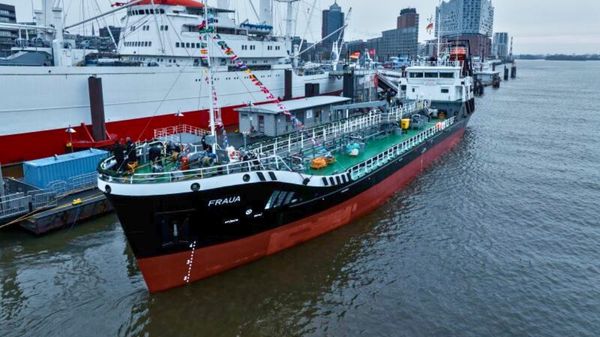
Fraua vessel. BMT Bunker adds tanker MT Fraua to fleet  

BMT Bunker und Mineralöltransport has expanded its fleet with a new vessel.

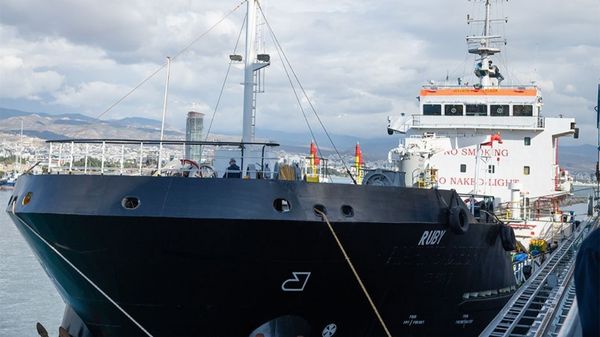
Ruby bunkering vessel. Island Oil expands Cyprus bunkering fleet with vessel Ruby  

Island Oil adds second bunkering vessel to strengthen marine fuel supply operations in Cyprus.

Wärtsilä and Aalto University partnership signing. Wärtsilä and Aalto University extend R&D partnership to accelerate marine decarbonisation  

Five-year agreement expands international collaboration on alternative fuels and clean energy technologies.