Wed 10 Aug 2016, 00:02 GMT

US Navy completes trial with 100% renewable biofuel


ReadiDiesel is produced from fats, oils, and greases via the biofuels isoconversion process.


For the first time ever, a U.S. Navy ship has operated on a 100 percent drop-in renewable diesel fuel. The Self Defense Test Ship (SDTS), Ex-Paul F. Foster, completed final-phase testing of a 100 percent drop-in renewable diesel fuel as part of the Navy's MILSPEC qualification program.

ReadiDiesel - a 100 percent renewable biofuel - was developed by Applied Research Associates (ARA) and Chevron Lummus Global as a drop-in replacement for petroleum F-76 marine diesel.

The test period lasted approximately 12 hours along the southern California coast, while en route from San Diego to Port Hueneme. Navy engineers monitored the performance of the gas turbine engines and generators while running on petroleum F-76 prior to taking on the ReadiDiesel to establish a baseline for comparison. While operating on 100 percent ReadiDiesel, the ship is said to have successfully completed multiple engine starts and speed changes. No mechanical, operational or qualitative differences when operating on ReadiDiesel were reported.

The data collected from the trial is to be fully analyzed and the results summarized in a final report.

Prior to testing aboard the Ex-Paul F. Foster, ReadiDiesel went through fit-for-purpose, component, and full-scale engine testing. The component and full-scale engine testing included performance tests to determine the combustion quality and emissions. In all, ARA provided 79,000 gallons of ReadiDiesel for the test program.

ReadiDiesel, termed Catalytic Hydrothermolysis Conversion Diesel (CHCD-76) by the Navy, is a military-grade drop-in replacement for traditional F-76 that is produced from fats, oils, and greases by the biofuels isoconversion process. ReadiDiesel has the same molecular composition, boiling range distribution, and physical and energy density as petroleum fuels while producing lower emissions. ReadiDiesel is said to also reduce greenhouse gas emissions by 80 percent compared to petroleum.

The Navy has pursued introducing drop-in renewable diesel to its operational supply as a means to increase operational flexibility and energy security.

"We are excited to work with the U.S. Navy as it takes this important step toward the use of 100 percent drop-in renewable diesel fuel in its ships. Our renewable fuels continue to prove their viability as 100 percent replacements for petroleum in diesel and jet fuel applications, and we look forward to the opportunity to work with our Navy partners to support their operational needs. Our goal remains to be able to provide an alternative, unblended renewable fuel that increases our nation's energy security at prices competitive with petroleum," said Chuck Red, Vice President of Fuels Development for ARA.

The project was a collaborative effort involving the Deputy Assistant Secretary of the Navy Energy Office (DASN Energy), Naval Sea Systems Command (NAVSEA), Naval Air Systems Command (NAVAIR), Naval Supply Systems Command (NAVSUP), Defense Logistics Agency (DLA), NSWC PHD and NSWC Philadelphia Division.

Reduction in emissions is just one of the positive environmental impacts of ReadiDiesel. The biofuels isoconversion process can use waste such as yellow grease from rendering facilities, used cooking oil, and brown grease recovered from grease traps as feedstocks. In addition to being compatible with current turbine and diesel engines, ReadiDiesel does not have to be segregated from its petroleum counterparts. The fuel can utilize existing petroleum infrastructure without the need to build additional, costly infrastructure for blending, transportation, and storage.

ARA and Chevron Lummus Global are currently engineering the first commercial-scale biofuels isoconversion refinery for its licensee, UrbanX Renewables Group. The 5,000-barrel-per-day refinery will be located in southern California and produce renewable diesel, jet, and naphtha from ultra-low carbon intensity waste oil feedstocks.

"We are continuing to take important, deliberate steps toward our goal of commercial scale production of 100 percent drop-in diesel and jet fuel from waste oils at prices competitive with their petroleum counterparts," said Red.


Global Ethanol Association (GEA) and Vale logo side by side. Vale joins Global Ethanol Association as founding member  

Brazilian mining company becomes founding member of association focused on ethanol use in maritime sector.

KPI OceanConnect Logo. KPI OceanConnect seeks marine fuel trading intern in Singapore  

Bunker supplier advertises role offering exposure to commercial and operational aspects of marine fuel business.

Frank Dahan, CSL Group. CSL Group's Frank Dahan appointed chair of IBIA's Americas regional board  

Dahan brings 29 years of marine transportation and energy experience to the role.

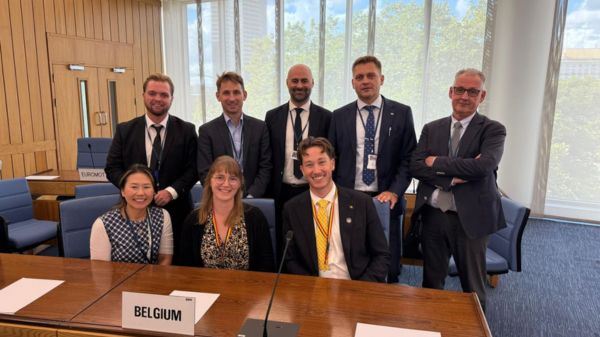
IMO Member States, Belgium delegation. Lloyd's Register, EXMAR, and Belgium’s Federal Public Service develop interim guidelines for ammonia cargo as fuel  

Guidelines expected to receive formal IMO approval in May 2026, enabling ammonia use on gas carriers.

Knut Ørbeck-Nilssen, DNV. DNV to lead Nordic roadmap Phase 2 for zero-carbon shipping transition  

Programme will identify green corridors and tackle cost barriers through new financing approaches.

Monjasa logo. Monjasa seeks trader for Dubai operations  

Marine fuel supplier recruiting for trading role covering sales, purchasing, and logistics in UAE.

IBIA Board Elections 2026 – Call for Nominations announcement. IBIA calls for board election nominations ahead of Friday deadline  

Association seeks candidates for 2026 board positions with submissions closing 12 December.

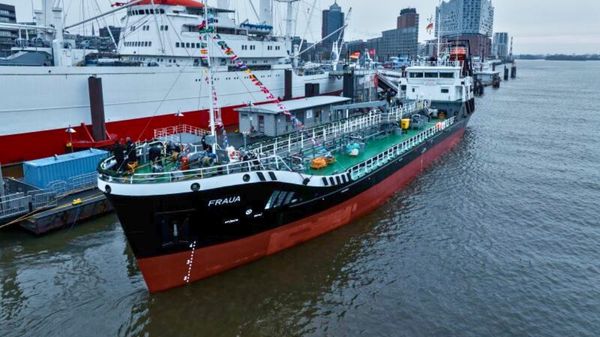
Fraua vessel. BMT Bunker adds tanker MT Fraua to fleet  

BMT Bunker und Mineralöltransport has expanded its fleet with a new vessel.

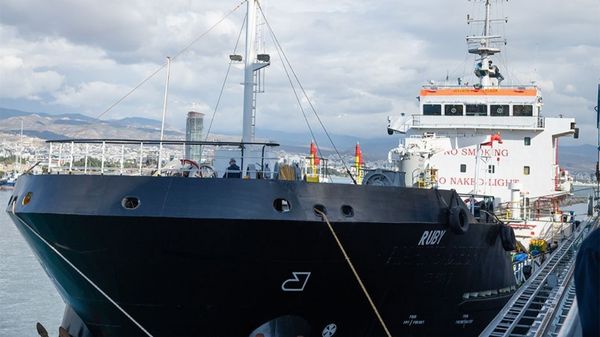
Ruby bunkering vessel. Island Oil expands Cyprus bunkering fleet with vessel Ruby  

Island Oil adds second bunkering vessel to strengthen marine fuel supply operations in Cyprus.

Wärtsilä and Aalto University partnership signing. Wärtsilä and Aalto University extend R&D partnership to accelerate marine decarbonisation  

Five-year agreement expands international collaboration on alternative fuels and clean energy technologies.