Tue 29 Jul 2008, 08:03 GMT

US legislation paves the way for scrubbing technology


Seawater scrubbing will enable operators to reduce ship emissions and fuel costs.


UK-based Krystallon Ltd. has said the recent U.S. ratification of the Maritime Pollution Prevention Act of 2008 has opened the way for vessels entering U.S. coastal waters to fit new ground-breaking technology that slashes emissions from ships.

The technology, known as seawater scrubbing, offers ship operators entering emissions restricted areas, known as ECAs, off the U.S. coastline the option to fit the technology and avoid huge hikes in their fuel costs for 'cleaner fuels' such as diesel as legislation is rolled out.

According to Krystallon, by switching to an onboard ship scrubber ship operators will cut out 100% sulphur oxide (SOx) and 80% particulate matter. The company says 'clean fuels', such as diesel, will cut around 97% SOx and only 10% particulates.

On July 21st 2008 President George Bush signed into law the Maritime Pollution Prevention Act of 2008 (H.R.802) which meant the U.S will incorporate international legislation to reduce harmful emissions from ships.

Under the legislation, ships are restricted to burning cleaner fuels, known as distillates, or given the option to fit scrubbing technology. The U.S. is likely to see Emissions Control Areas (ECAs) up to 200 miles offshore by as early as 2010, but concerns circulate about the price and availability of cleaner fuel.

The International Energy Agency (IEA) recently reported there had been noticeable growth in demand for middle distillate transportation fuels, which are now said to make up 58 percent of total oil product demand.

One of the factors it cited was increasing demand in fuels like diesel – which retails at 55 percent more than heavy fuel oil in ports like Los Angeles - from ships. According to research carried out by Krystallon, if vessels entering U.S. west coast ports were to switch from using diesel to scrubbing, ship operators and the economy would save $3.57 billion per year.

Chris Leigh-Jones, Managing Director of Krystallon, explained: “By switching to scrubbing technology, which can be fitted while a vessel is in drydock in as little as two weeks, ship operators benefit from continuing to purchase traditional and cheaper bunker fuel in the knowledge that they have 'future-proofed' their vessel against new emissions legislation for at least the next 20 years.”

Andy Osbourne, New Business Director for Krystallon commented: “U.S. ratification for IMO Annex VI has been a long time coming, but its worth waiting for. We are delighted that the ship operators in U.S. coastal waters and the U.S. citizens breathing high-polluting air from ships onshore will benefit from this truly 'win-win' technology.

“The economics for scrubbing technology in a 200-mile ECS (Emissions Control Area) offshore the U.S. west coast look very attractive right now, with payback for fitting a scrubber likely to be months not years versus running a vessel on marine diesel.”


Global Ethanol Association (GEA) and Vale logo side by side. Vale joins Global Ethanol Association as founding member  

Brazilian mining company becomes founding member of association focused on ethanol use in maritime sector.

KPI OceanConnect Logo. KPI OceanConnect seeks marine fuel trading intern in Singapore  

Bunker supplier advertises role offering exposure to commercial and operational aspects of marine fuel business.

Frank Dahan, CSL Group. CSL Group's Frank Dahan appointed chair of IBIA's Americas regional board  

Dahan brings 29 years of marine transportation and energy experience to the role.

IMO Member States, Belgium delegation. Lloyd's Register, EXMAR, and Belgium’s Federal Public Service develop interim guidelines for ammonia cargo as fuel  

Guidelines expected to receive formal IMO approval in May 2026, enabling ammonia use on gas carriers.

Knut Ørbeck-Nilssen, DNV. DNV to lead Nordic roadmap Phase 2 for zero-carbon shipping transition  

Programme will identify green corridors and tackle cost barriers through new financing approaches.

Monjasa logo. Monjasa seeks trader for Dubai operations  

Marine fuel supplier recruiting for trading role covering sales, purchasing, and logistics in UAE.

IBIA Board Elections 2026 – Call for Nominations announcement. IBIA calls for board election nominations ahead of Friday deadline  

Association seeks candidates for 2026 board positions with submissions closing 12 December.

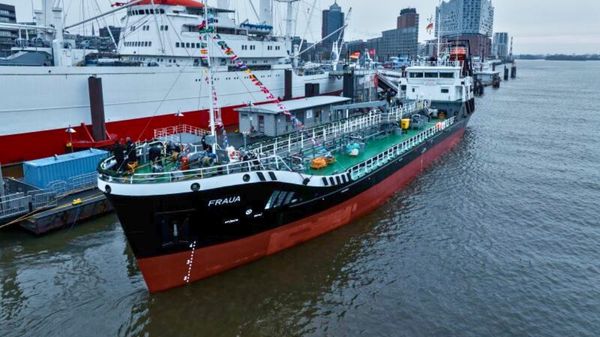
Fraua vessel. BMT Bunker adds tanker MT Fraua to fleet  

BMT Bunker und Mineralöltransport has expanded its fleet with a new vessel.

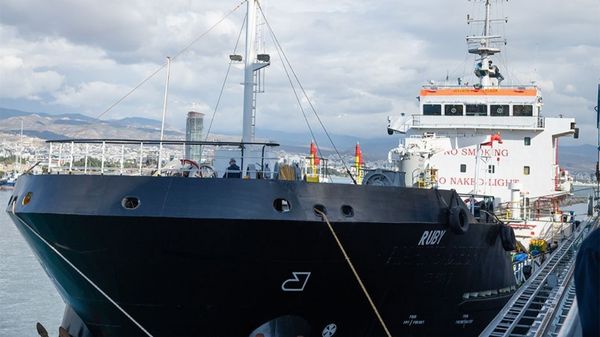
Ruby bunkering vessel. Island Oil expands Cyprus bunkering fleet with vessel Ruby  

Island Oil adds second bunkering vessel to strengthen marine fuel supply operations in Cyprus.

Wärtsilä and Aalto University partnership signing. Wärtsilä and Aalto University extend R&D partnership to accelerate marine decarbonisation  

Five-year agreement expands international collaboration on alternative fuels and clean energy technologies.


 Recommended