Thu 10 Jul 2014, 12:28 GMT

Cutting fuel consumption by 12% with waste heat recovery system


17 container ships are to use a waste heat recovery system that enables power to be generated with a lower overall fuel consumption.


The Siemens Drive Technologies Division is equipping 17 container ships owned by the United Arab Shipping Company (UASC) with an environmentally friendly drive and power generation system (Siship SGM) under contract from Hyundai Heavy Industries.

Using a waste heat recovery system (WHRS), exhaust gas from the propulsion main engine is utilized to produce additional electrical power from the ship's exhaust gas in a clean and efficient manner. This enables power to be generated with a lower overall fuel consumption while simultaneously reducing carbon dioxide (CO2) emissions by up to 12 percent.

The drive system is a shaft generator which operates both as motor or generator and is automatically adapted to suit the requirements in hand by a higher-level power management system. This is designed to enhanc the efficiency and flexibility of the power generation process as well as reducing wear on the main drive and the auxiliary generators.

The class A-14 and A-18 UASC container ships have a carrying capacity of 14,500 and 18,800 twenty-foot equivalent units (TEUs) respectively and are among the largest container vessels in the world.

Due to the loaded cargo, the ships have significant power requirements which can be optimized with highly-efficient drive solutions and an intelligent power management concept. For this reason, Siemens relies for the UASC container ships on a WHRS which generates superheated steam from the hot exhaust gas and in turn drives a two-stage steam turbine.

An additional exhaust gas turbine can be fed with excess exhaust gas that is not needed for turbocharging. Together with the steam turbine, it drives an electric generator which generally supplies the entire on-board electric power system. Due to the WHRS, fuel consumption is said to be reduced by up to 12 percent.

To achieve the maximum propulsion power on the shaft line surplus, electric power can be used to boost the ship's propulsion system by means of the shaft generator and the Sinamics S120 frequency converter in the so-called power take-in (PTI) mode. The generator is mounted directly on the propeller shaft without gears and affects it directly. At low main engine load, it operates as a generator in power take-off (PTO) mode to supply the electric mains. In this case the auxiliary engines can be switched off if the total power balance does allow. This leads to more efficient electric energy generation and reduces the wear and therewith also the maintenance costs of the auxiliary engines.

All functionalities of the WHRS are controlled by a power management system which ensures optimal use of the available energy, and automatically adjusts the shaft generator operation to match actual requirements. This utilizes reserve capacity, reduces the wear on the main propulsion system and the auxiliary generators, and increases the reliability of the on-board power supply.

"Together with UASC we worked as partner to adopt and comply with the very complex technical specifications from UASC. Due to extraordinary reduction of fuel cost the total cost for container transportation will be reduced significantly. This fuel saving also results in lower CO2 emissions of the same amount" said Stefan Kraus, Head of Strategy, Marine and Shipbuilding of the Siemens Drive Technologies Division.


Global Ethanol Association (GEA) and Vale logo side by side. Vale joins Global Ethanol Association as founding member  

Brazilian mining company becomes founding member of association focused on ethanol use in maritime sector.

KPI OceanConnect Logo. KPI OceanConnect seeks marine fuel trading intern in Singapore  

Bunker supplier advertises role offering exposure to commercial and operational aspects of marine fuel business.

Frank Dahan, CSL Group. CSL Group's Frank Dahan appointed chair of IBIA's Americas regional board  

Dahan brings 29 years of marine transportation and energy experience to the role.

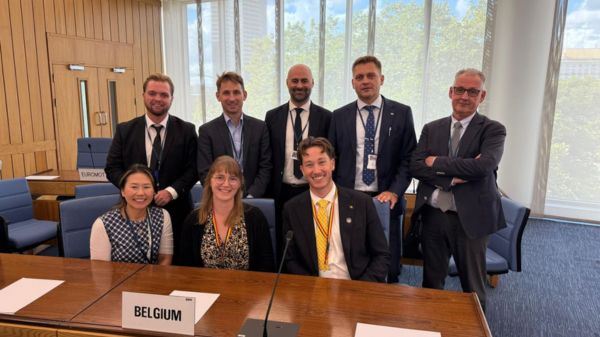
IMO Member States, Belgium delegation. Lloyd's Register, EXMAR, and Belgium’s Federal Public Service develop interim guidelines for ammonia cargo as fuel  

Guidelines expected to receive formal IMO approval in May 2026, enabling ammonia use on gas carriers.

Knut Ørbeck-Nilssen, DNV. DNV to lead Nordic roadmap Phase 2 for zero-carbon shipping transition  

Programme will identify green corridors and tackle cost barriers through new financing approaches.

Monjasa logo. Monjasa seeks trader for Dubai operations  

Marine fuel supplier recruiting for trading role covering sales, purchasing, and logistics in UAE.

IBIA Board Elections 2026 – Call for Nominations announcement. IBIA calls for board election nominations ahead of Friday deadline  

Association seeks candidates for 2026 board positions with submissions closing 12 December.

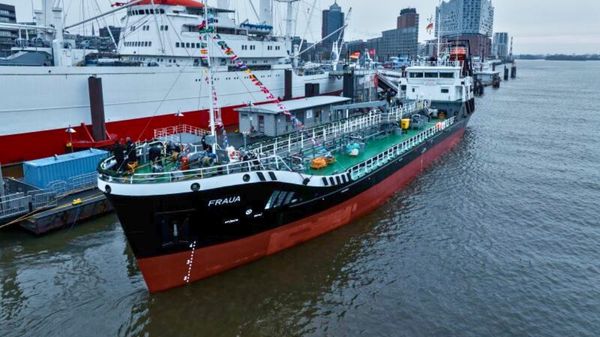
Fraua vessel. BMT Bunker adds tanker MT Fraua to fleet  

BMT Bunker und Mineralöltransport has expanded its fleet with a new vessel.

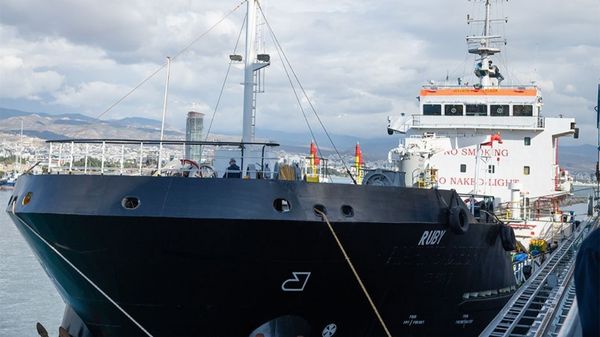
Ruby bunkering vessel. Island Oil expands Cyprus bunkering fleet with vessel Ruby  

Island Oil adds second bunkering vessel to strengthen marine fuel supply operations in Cyprus.

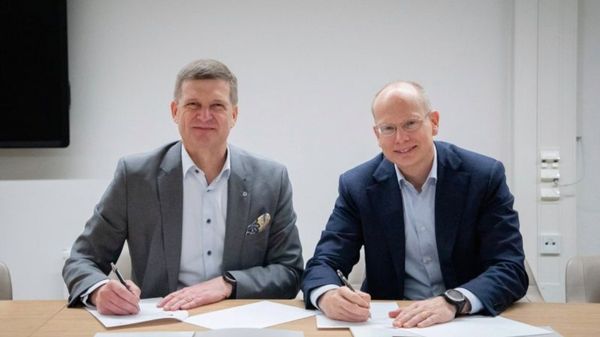
Wärtsilä and Aalto University partnership signing. Wärtsilä and Aalto University extend R&D partnership to accelerate marine decarbonisation  

Five-year agreement expands international collaboration on alternative fuels and clean energy technologies.


 Recommended