Fri 18 Oct 2013, 08:13 GMT

Turbocharger achieves 30% reduction in energy consumption


New fuel-saving turbocharger launched in Japan.


Mitsubishi Heavy Industries Marine Machinery & Engine Co., Ltd. (MHI-MMI), a wholly owned subsidiary of Mitsubishi Heavy Industries, Ltd. (MHI), has unveiled the development of an electro-assist MET turbocharger, which is said to save approximately 30 percent in electric power consumption compared to existing auxiliary blowers at MHI's Nagasaki Shipyard & Machinery Works.

The turbocharger was developed using a high-speed motor supplied by its partner, Calnetix Technologies (Calnetix), and is the result of collaboration between the two companies.

The electro-assist MET turbocharger is a turbocharger that incorporates a compact electric motor limited to power functions that assists the driving of the hybrid turbocharger. This provides optimization of plant efficiency when a ship is operating under slow steaming, improving the fuel combustion efficiency of the main engine, and enabling the same or better performance than an auxiliary blower while consuming little power.

The unveiling ceremony, held at the Nagasaki Shipyard & Machinery Works, was attended by around 70 customers from various fields, such as domestic shipping companies, ship owners and shipyards. Calnetix Co-founder and CEO Vatche Artinian, and Mitsubishi Heavy Industries Marine Machinery & Engine President Kazuo Soma also attended.

The company's VTI turbocharger - a variable nozzle turbocharger effective at low load, the first mass-produced model of MET-48MB with an optimal frame size for handysize bulk carriers, and Calnetix's 125kW binary generator (ORC module) for low-temp heat sources were on display at the unveiling ceremony.

"Like the hybrid MET turbocharger, the electro-assist MET turbocharger was created through collaboration between companies possessing advanced technologies. By combining the technologies of Mitsubishi Heavy Industries Marine Machinery & Engine and Calnetix, we completed a product that provides high energy efficiency and a reduced burden on the environment," Kazuo Soma said, highlighting the fact that the product utilizes the strengths of both companies.

Commenting on the electro-assist MET turbocharger, Vatche Artinian remarked: "We are working with Mitsubishi Heavy Industries Marine Machinery & Engine to develop energy recovery systems that enable shipping companies to reduce operating costs by obtaining more energy from less fuel while remaining compliance with international rules and regulations concerning the marine environment. Like normal MET turbochargers, electro-assist MET turbochargers and hybrid MET turbochargers have a long product lifetime and can be installed without making significant changes to engines and offer excellent maintenance access, while being extremely compact devices that enable the best performance to be obtained when installed on a ship."

Mitsubishi Heavy Industries Marine Machinery & Engine and Calnetix have both created products that are designed to improve the energy efficiency of ships, including low-cost, high-efficiency heat recovery systems, such as Mitsubishi Heavy Industries Marine Machinery & Engine's hybrid MET turbochargers, for which Calnetix supplies high-speed generators.

Hybrid MET turbochargers incorporate high-speed generators, and utilize the energy generated by engine exhaust gas to provide up to 5 percent of main engine output. Because of this, hybrid MET turbochargers are able to provide electric power to the ship, and make it possible to reduce ship fuel consumption by operating without auxiliary diesel power generation.


Global Ethanol Association (GEA) and Vale logo side by side. Vale joins Global Ethanol Association as founding member  

Brazilian mining company becomes founding member of association focused on ethanol use in maritime sector.

KPI OceanConnect Logo. KPI OceanConnect seeks marine fuel trading intern in Singapore  

Bunker supplier advertises role offering exposure to commercial and operational aspects of marine fuel business.

Frank Dahan, CSL Group. CSL Group's Frank Dahan appointed chair of IBIA's Americas regional board  

Dahan brings 29 years of marine transportation and energy experience to the role.

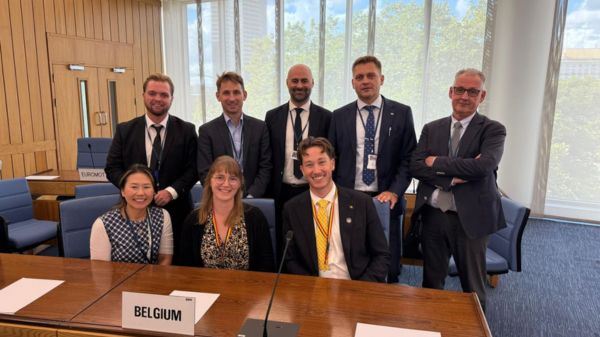
IMO Member States, Belgium delegation. Lloyd's Register, EXMAR, and Belgium’s Federal Public Service develop interim guidelines for ammonia cargo as fuel  

Guidelines expected to receive formal IMO approval in May 2026, enabling ammonia use on gas carriers.

Knut Ørbeck-Nilssen, DNV. DNV to lead Nordic roadmap Phase 2 for zero-carbon shipping transition  

Programme will identify green corridors and tackle cost barriers through new financing approaches.

Monjasa logo. Monjasa seeks trader for Dubai operations  

Marine fuel supplier recruiting for trading role covering sales, purchasing, and logistics in UAE.

IBIA Board Elections 2026 – Call for Nominations announcement. IBIA calls for board election nominations ahead of Friday deadline  

Association seeks candidates for 2026 board positions with submissions closing 12 December.

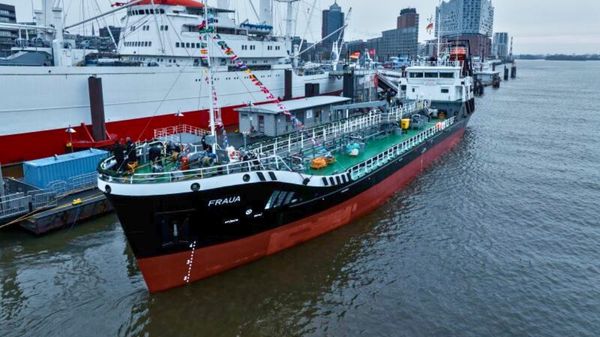
Fraua vessel. BMT Bunker adds tanker MT Fraua to fleet  

BMT Bunker und Mineralöltransport has expanded its fleet with a new vessel.

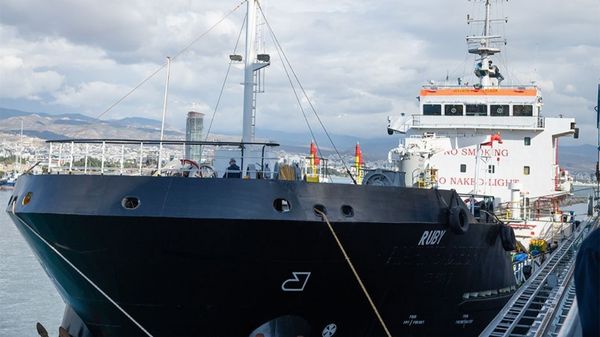
Ruby bunkering vessel. Island Oil expands Cyprus bunkering fleet with vessel Ruby  

Island Oil adds second bunkering vessel to strengthen marine fuel supply operations in Cyprus.

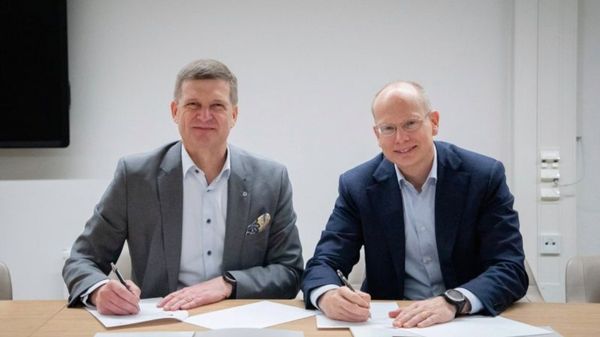
Wärtsilä and Aalto University partnership signing. Wärtsilä and Aalto University extend R&D partnership to accelerate marine decarbonisation  

Five-year agreement expands international collaboration on alternative fuels and clean energy technologies.