Thu 18 Apr 2013, 06:15 GMT

Event addresses efficient IT solutions for shipping


Conference covers the latest developments in IT, ship design and shipbuilding.


This year's International Conference on Computer and IT Applications in the Maritime Industries (COMPIT 2013) covered a broad spectrum of the latest developments in ship design and shipbuilding, IT trends and marine robot technology. Organised by Germanischer Lloyd (GL), the conference took place for the twelfth time.

The event, which attracted about 80 participants, also serves as a contact platform for recruiting and the preparation of international R&D projects. Some 45 presentations were given by maritime software developers and users, providing direct insight into how modern IT applications are evolving within their own organisations and the industry.

The ongoing quest for energy efficiency is a continuing factor which is driving the development of IT applications in the maritime industry. Port efficiency, for example, is a key factor in economic ship operation, with direct implications not only for fuel efficiency, but also on other cost items.

One of the speakers, Stefan Harries, of GL’s subsidiary Friendship Systems, presented "Port Efficiency Simulations for the Design of Container Carriers", which allow quantitative consideration of cargo handling times for container vessels already in the conceptual design stage. The method is based on a statistical approach. For many randomly chosen combinations of containers on board, containers to be handled in port, and assigned cranes, the required time in port for a vessel can be determined. For the presented case studies, the differences in port efficiency are shown to be considerable.

Another presentation dealt with advanced simulation technology. Volker Bertram, of GL’s subsidiary FutureShip, gave an overview of "Advanced Simulations for Offshore Industry Applications", based on the experience of a simulation service provider (FutureShip) and a major simulation software vendor (CD-adapco). The presentation focused on the benefits for the business processes of the customers. The analysed structures included fixed and floating offshore platforms, related ships such as supply vessels, and selected equipment. The simulations addressed the main operational challenges, for example ensuring low environmental impact, high availability and compliance with regulations, as well as promoting innovative designs and procedures. Since the scope of the simulations is wide, covering structural analyses, noise and vibration, fluid dynamics, aerodynamics and installation simulations, the presented case studies illustrated the versatility and sophistication of modern simulations in this field.

FutureShip's Heikki Hansen explained in “Lean ECO-Assistant Production for Trim Optimisation” how streamlining processes brought down total response time and cost for the CFD-based trim optimisation tool.

GL’s Henner Eisen described in "High-Performance Finite-Element-Based Fatigue Assessment Processes for Ship Structures" how complex processes in structural analyses can be streamlined. Current fatigue assessment processes were analysed and streamlined based on the GL ShipLoad software. The resulting software tool demonstrated that fatigue assessments can be performed economically for entire ship structures, requiring similar user effort and computational times as classical (design load) methods.

"Future-related topics such as the use of robotic systems to support salvage operations or unmanned navigation through intelligence in networks were met with great interest and many remarkable dialogues were held among the visitors from the different branches and regions," said GL’s Volker Bertram, who organised the conference.

Further topics including product data models for life-cycle management of ships, process simulation and virtual reality applications were also highlighted.


Global Ethanol Association (GEA) and Vale logo side by side. Vale joins Global Ethanol Association as founding member  

Brazilian mining company becomes founding member of association focused on ethanol use in maritime sector.

KPI OceanConnect Logo. KPI OceanConnect seeks marine fuel trading intern in Singapore  

Bunker supplier advertises role offering exposure to commercial and operational aspects of marine fuel business.

Frank Dahan, CSL Group. CSL Group's Frank Dahan appointed chair of IBIA's Americas regional board  

Dahan brings 29 years of marine transportation and energy experience to the role.

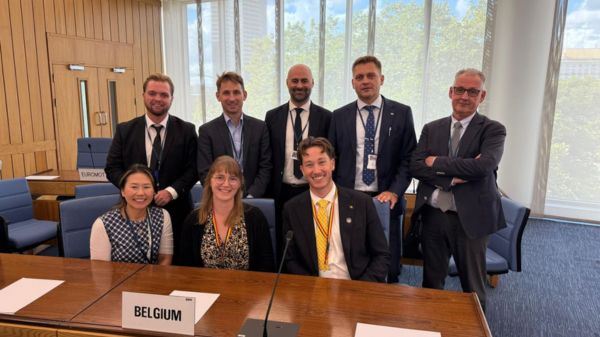
IMO Member States, Belgium delegation. Lloyd's Register, EXMAR, and Belgium’s Federal Public Service develop interim guidelines for ammonia cargo as fuel  

Guidelines expected to receive formal IMO approval in May 2026, enabling ammonia use on gas carriers.

Knut Ørbeck-Nilssen, DNV. DNV to lead Nordic roadmap Phase 2 for zero-carbon shipping transition  

Programme will identify green corridors and tackle cost barriers through new financing approaches.

Monjasa logo. Monjasa seeks trader for Dubai operations  

Marine fuel supplier recruiting for trading role covering sales, purchasing, and logistics in UAE.

IBIA Board Elections 2026 – Call for Nominations announcement. IBIA calls for board election nominations ahead of Friday deadline  

Association seeks candidates for 2026 board positions with submissions closing 12 December.

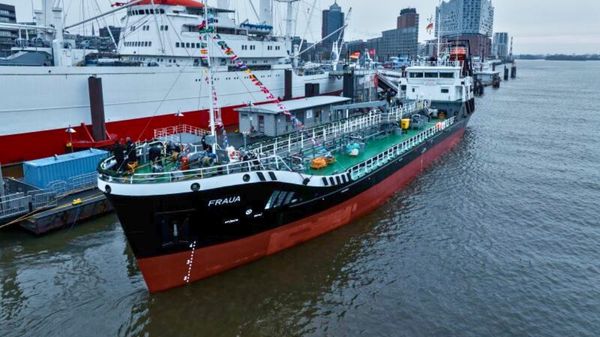
Fraua vessel. BMT Bunker adds tanker MT Fraua to fleet  

BMT Bunker und Mineralöltransport has expanded its fleet with a new vessel.

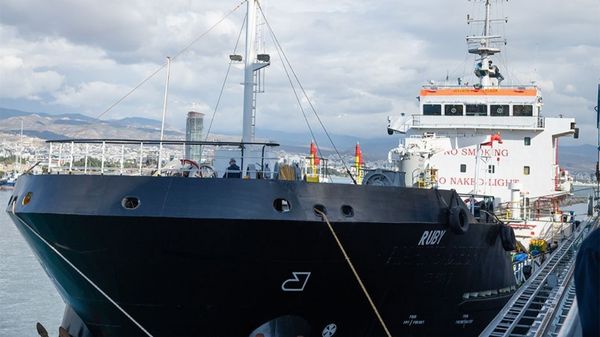
Ruby bunkering vessel. Island Oil expands Cyprus bunkering fleet with vessel Ruby  

Island Oil adds second bunkering vessel to strengthen marine fuel supply operations in Cyprus.

Wärtsilä and Aalto University partnership signing. Wärtsilä and Aalto University extend R&D partnership to accelerate marine decarbonisation  

Five-year agreement expands international collaboration on alternative fuels and clean energy technologies.


 Recommended