
 |
The Regional Marine Pollution Emergency Response Centre for the Mediterranean Sea (REMPEC) has convened an expert meeting to advance proposals for designating the entire Mediterranean as a Nitrogen Oxides Emission Control Area (Med NOx ECA) under MARPOL Annex VI.
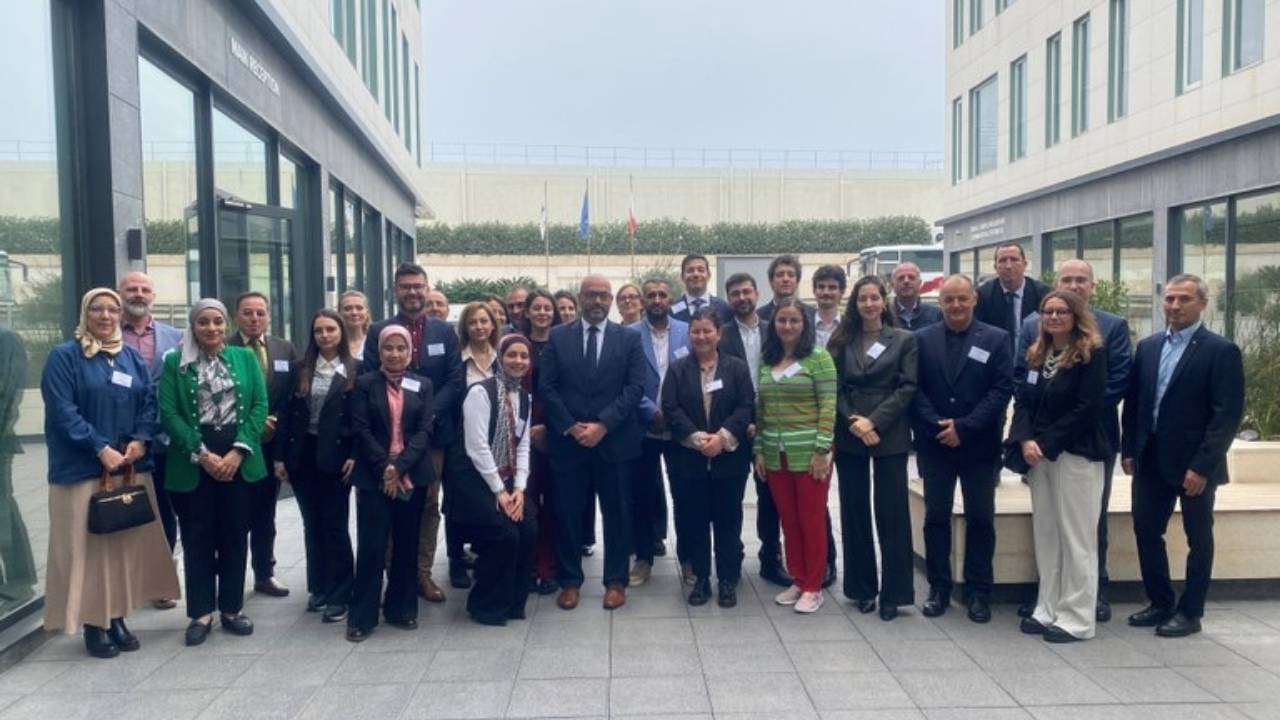
The meeting, held in Malta on November 18-19, brought together over 40 participants from 20 of the 22 Contracting Parties to the Barcelona Convention, alongside representatives from regional and international organizations. The event was financed by the International Maritime Organization's (IMO) Integrated Technical Cooperation Programme and the Mediterranean Trust Fund.
Government officials responsible for the ratification, implementation, and enforcement of MARPOL Annex VI attended the meeting, which focused on reviewing a draft Technical and Feasibility Study examining the possible designation of the Mediterranean Sea as an emission control area for nitrogen oxides.
The study, which was financed by the IMO's technical cooperation programme, the French Ministry for Europe and Foreign Affairs, and the Mediterranean Trust Fund, aims to assist Mediterranean coastal states in preparing a submission to the IMO. The document addresses the criteria set out in Appendix III of MARPOL Annex VI relating to the designation of Emission Control Areas.
Participants assessed the expected environmental benefits of reducing NOx emissions, including improved air quality and public health gains. The meeting also examined technical feasibility, potential entry into force dates, compliance mechanisms, and economic impacts associated with the possible designation.
The discussions built on experience gained from the Mediterranean Sulphur Oxide ECA, which entered into effect on May 1, 2025.
The meeting endorsed the final draft Technical and Feasibility Study and recommended that the earliest possible entry into force date for a Med NOx ECA should not be earlier than 2032, taking into consideration various challenges and diverse capacity building within the region.
Participants emphasized the urgency of ratification and effective implementation of MARPOL Annex VI, urging Contracting Parties that have not yet ratified the convention to complete the process by the date of submission of the Med NOx ECA proposal to the IMO.
The meeting also requested REMPEC to continue providing technical assistance and capacity building, including financial support and resource mobilization, to Contracting Parties seeking to ratify and effectively implement MARPOL Annex VI.
REMPEC will consolidate the outcomes of the meeting, including expert recommendations and priority considerations, to support the next steps in the decision-making process within the UNEP/MAP system. The conclusions and recommendations will be submitted to the Seventeenth Meeting of the Focal Points of REMPEC, tentatively scheduled for 2027.
Participants highlighted the importance of coordinated regional action, harmonized regulatory approaches, and continued capacity-building to ensure effective implementation should a NOx ECA proposal be formally advanced to the IMO.

|
Petrobras resumes bunkering operations at Rio Grande Terminal after power restoration
Brazilian supplier restarts marine fuel supply after completing an inspection following an electricity outage. |
|
|
|
||
|
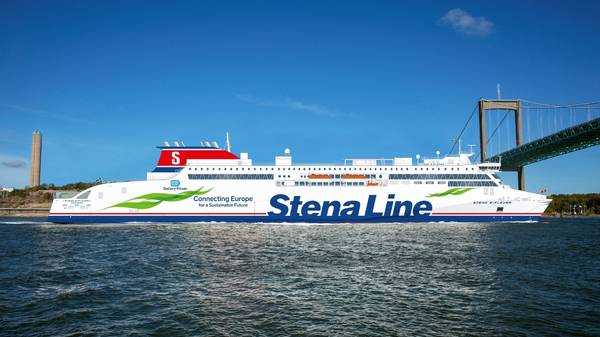
Stena RoRo orders battery-ready E-Flexer 2.0 ferries from Chinese yard
Vessels include diesel engines capable of running on biodiesel and are methanol-ready. |
|
|
|
||
|
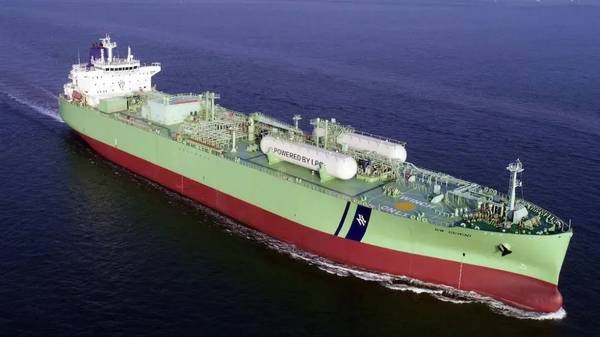
Nord Gas Solutions to supply cargo and fuel systems for eight BW LPG VLGCs
Gas-handling systems specialist awarded contract for new 90,000-cbm vessels. |
|
|
|
||
|
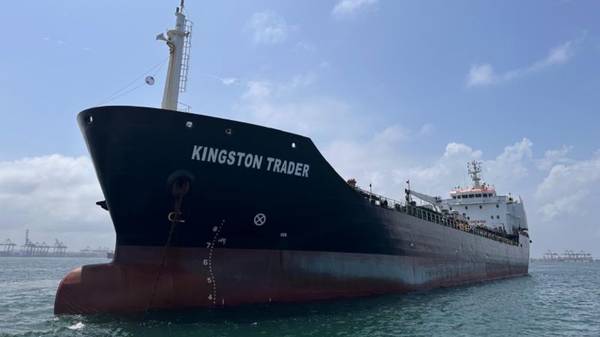
TFG Marine fits mass flow meter to Jamaica-bound bunker barge
Kingston Trader becomes the first Caribbean bunkering vessel with mass flow metering as TFG Marine’s fleet coverage nears 90%. |
|
|
|
||
|
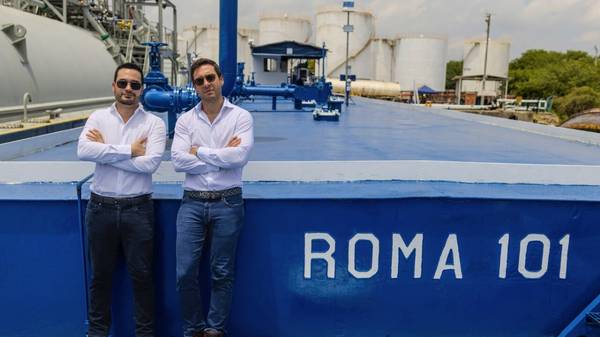
Monjasa announces full-chain marine fuel operations in Cartagena
Monjasa says it now covers the entire marine fuel supply chain in Colombia, from oil wells to ship-side deliveries. |
|
|
|
||
|
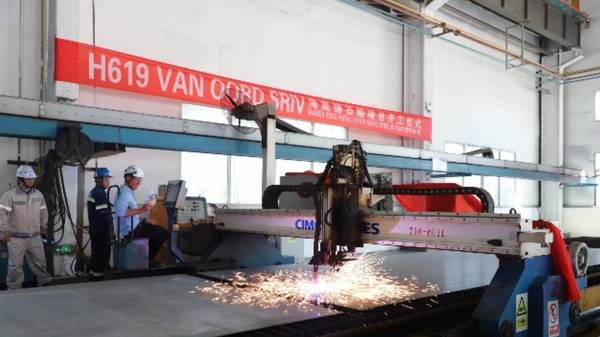
Ceremonies held for Van Oord’s methanol-hybrid rock installation vessels
Two ships advance through parallel construction at China’s CIMC Raffles shipyard. |
|
|
|
||
|
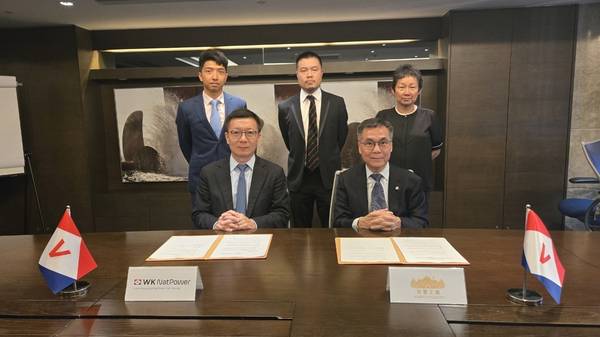
Wah Kwong NatPower signs MoU to explore Hong Kong marine electrification
Venture will examine shore power, vessel charging and electric vessel deployment around Aberdeen’s waterfront. |
|
|
|
||
|
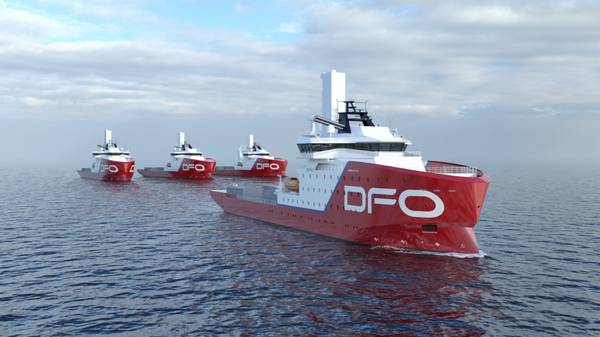
Dong Fang Offshore orders CSOV with battery-hybrid propulsion
Vard secures fifth newbuild contract from Taiwanese firm, with delivery scheduled for 2028. |
|
|
|
||
|
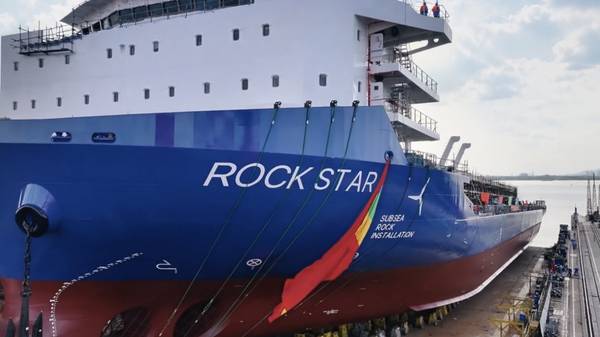
CSL and OWL launch first subsea rock installation vessel for offshore wind
MV Rock Star can run on MGO and methanol and is designed to support scour protection and cable burial for offshore wind projects. |
|
|
|
||
|
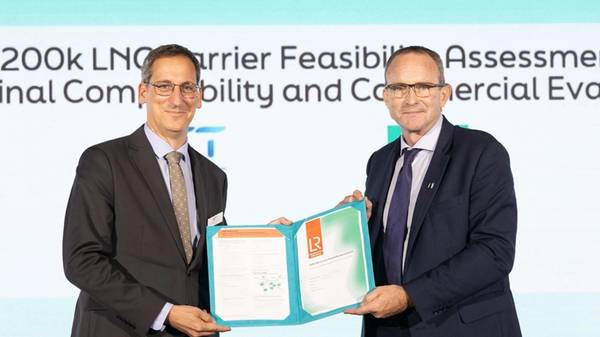
Lloyd’s Register study backs 200,000-cbm LNG carriers for fleet renewal
Analysis finds larger LNG carriers could cut transport costs while retaining access to most major terminals. |
|
|
|
||
| SEA-LNG claims LNG emissions cuts ahead of IMO meeting [News & Insights] |
| Shipping associations back IMO Net-Zero Framework ahead of key vote [News & Insights] |
| Lloyd’s Register study backs 200,000-cbm LNG carriers for fleet renewal [News & Insights] |
| IMO and EMSA gather maritime experts to address seafarer training for alternative fuels [News & Insights] |
| Portsmouth port publishes white paper on UK’s first multi-berth shore power system [News & Insights] |
| IMO seminar examines technical hurdles facing ammonia as a marine fuel [News & Insights] |
| IMO sub-committee finalises revised methanol fuel safety guidelines [News & Insights] |
