
 |
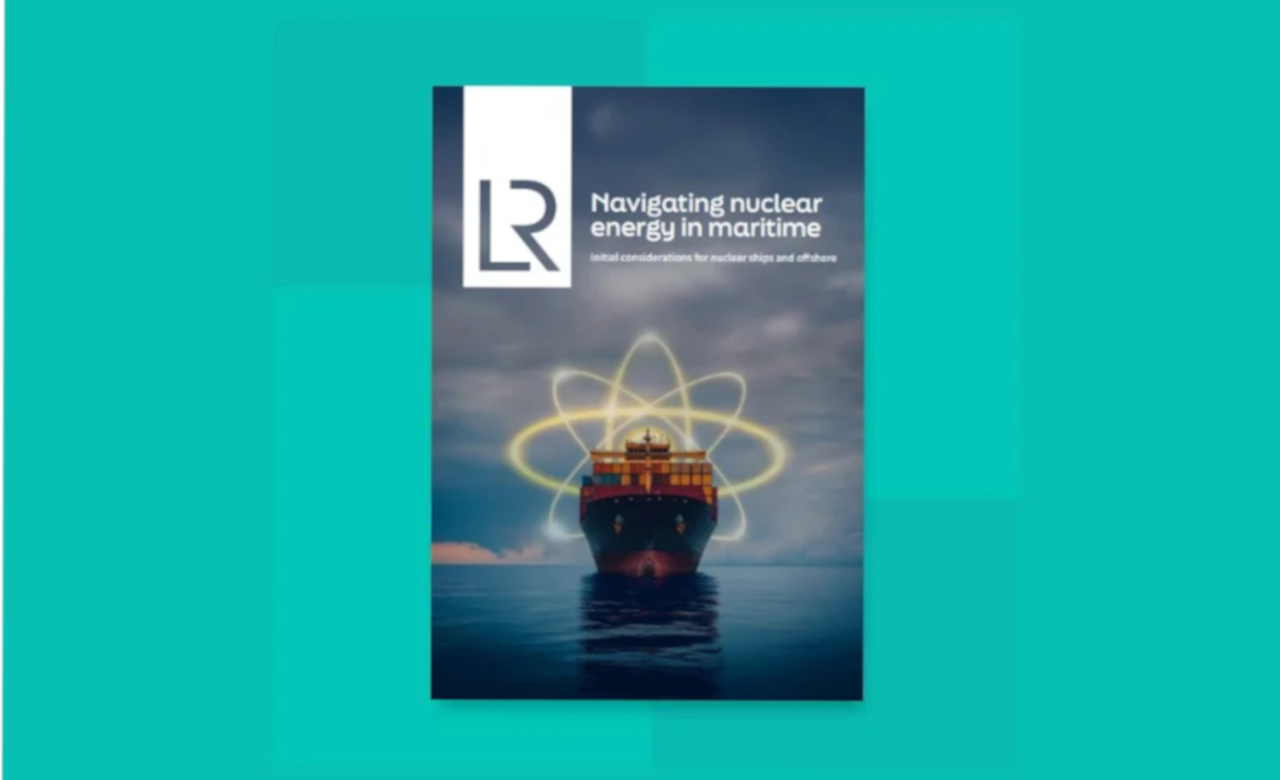
Lloyd's Register (LR) has published what it describes as the first comprehensive guidance document for integrating nuclear technology into commercial shipping and offshore operations, as the maritime sector explores atomic power for decarbonisation.
The guidance, titled 'Navigating Nuclear Energy in Maritime,' was developed in partnership with Global Nuclear Security Partners (GNSP) and marine insurer NorthStandard. It outlines regulatory, technical, operational, and financial requirements for incorporating nuclear technology, including small modular reactors (SMRs), into maritime assets.
The document addresses the absence of an international regulatory framework for nuclear-powered commercial shipping, discussing the roles of the International Maritime Organization (IMO) and the International Atomic Energy Agency (IAEA). It emphasises the need to harmonise maritime and nuclear standards.
Key areas covered include safety classification, environmental impact assessments, structural integrity, and nuclear safety case development. The guidance also addresses security measures, including physical and cyber protection systems and insider threat mitigation.
Operational considerations examined include personnel qualifications, emergency response planning, and quality assurance throughout project lifecycles. The document explores insurance and reinsurance challenges, advocating for predictable liability frameworks to support commercial viability.
Mark Tipping, LR's Global Power to X Director, commented: "Nuclear energy has the potential to transform maritime, providing a scalable and zero-carbon energy source that can accelerate the industry's energy transition. However, its adoption requires clarity, collaboration, and trust across regulators, operators, insurers, and wider society."
Nick Tomkinson, Senior Partner at Global Nuclear Security Partners, said: "Maritime nuclear will only succeed when safety, security, and safeguards are considered together from the start. This guidance document helps first movers align maritime and nuclear frameworks, apply goal-based approaches where prescriptive rules are absent, and build the confidence required by regulators, insurers, and the public."
Helen Barden, Director of External Affairs at NorthStandard, added: "We collaborated with Lloyd's Register to explore the insurance and reinsurance considerations for nuclear energy — particularly the interlink between classification and insurance, current P&I limitations around pooling nuclear risks, and the importance of liability frameworks."
The guidance builds on LR's 'Fuel for Thought: Nuclear' research programme and aims to address what the classification society describes as a knowledge gap in the sector. It combines classification, safety, and compliance expertise with nuclear insight to provide a framework for project teams at various development stages.
|
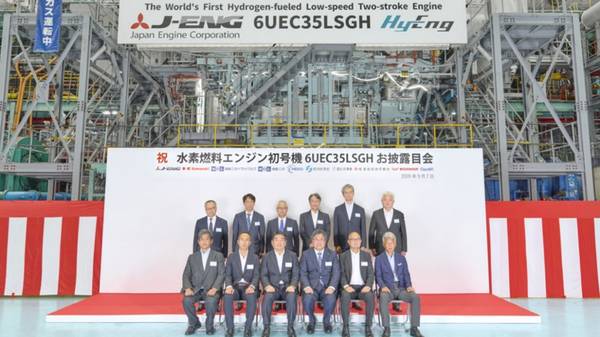
Japan Engine completes land-based testing of landmark hydrogen-fuelled engine for large vessels
Hydrogen co-firing rate of at least 95% achieved during factory testing. |
|
|
|
||
|
Ethanol edges into shipping’s fuel mix as methanol crossover eases adoption barriers
Rising interest from cargo owners, shared technology with methanol and Brazilian production growth push ethanol beyond regional niche status. |
|
|
|
||
|
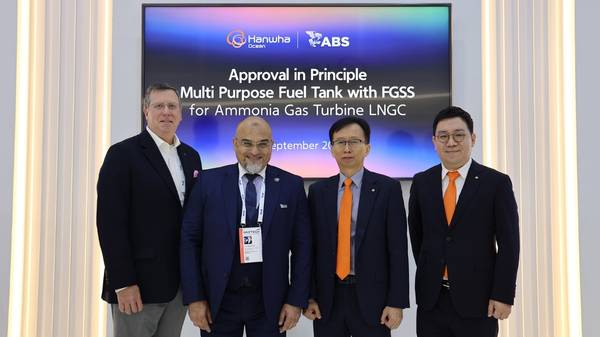
ABS grants Hanwha Ocean approval for dual-fuel tank enabling LNG-to-ammonia switch
In-principle approval awarded for fuel tank and supply system enabling LNG carriers to convert to ammonia without replacement. |
|
|
|
||
|
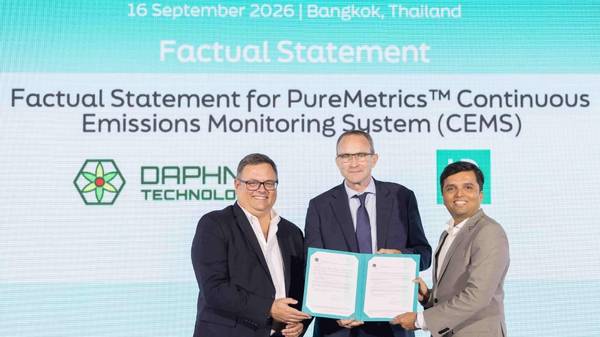
Lloyd's Register confirms suitability of Daphne Technology's emissions monitoring system
Factual Statement validates the PureMetrics design for monitoring greenhouse gas emissions from marine engines. |
|
|
|
||

|
IMO issues shipboard biofuel blend checklist developed by IBIA
Checklist for FAME-based biofuels formally incorporated into IMO document, supporting crews handling biofuel blends for the first time. |
|
|
|
||
|
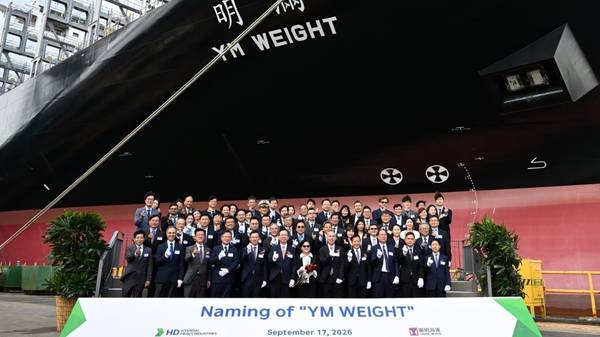
Yang Ming names fourth LNG dual-fuel container vessel YM Weight
Newbuild features high-pressure dual-fuel main engines capable of running on either LNG or low-sulphur fuel oil. |
|
|
|
||
|
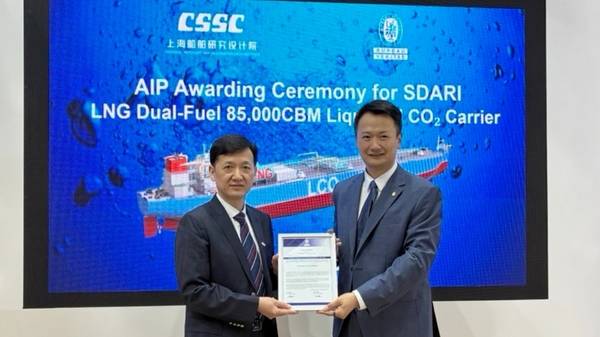
Bureau Veritas grants AiP to SDARI’s LNG dual-fuel liquefied CO₂ carrier design
Classification society approves 85,000-cbm vessel concept designed to support the growing carbon capture and storage sector. |
|
|
|
||

|
JuWonOil looking to strengthen with two Houston hires
Texas-based firm is recruiting a marine lubricants sales executive and a marine fuels and distillates trader. |
|
|
|
||
|
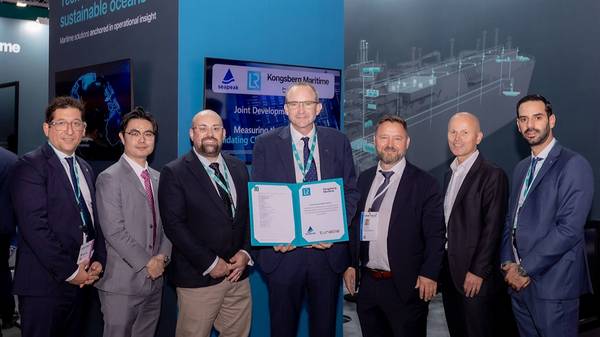
Four firms partner to trial continuous emissions monitoring on LNG carrier
LR, Seapeak, Kongsberg Maritime and Tunable will test onboard CO₂ monitoring against engine data and default emissions factors. |
|
|
|
||
|
Bunker Holding reshuffles commercial leadership across brand portfolio
Appointments announced across KPI OceanConnect, Glander International Bunkering and its digital sales operations. |
|
|
|
||
| Shipping industry warned nuclear power is essential to meet 2050 net zero targets [News & Insights] |
| ABB and Blykalla sign agreement to develop nuclear reactors for ships [News & Insights] |
| Norway's IFE makes case for thorium-powered ships [News & Insights] |
| Japan Engine completes land-based testing of landmark hydrogen-fuelled engine for large vessels [News & Insights] |
| Lloyd's Register confirms suitability of Daphne Technology's emissions monitoring system [News & Insights] |
| Lloyd's Register confirms suitability of Daphne Technology's emissions monitoring system [News & Insights] |
| IMO issues shipboard biofuel blend checklist developed by IBIA [News & Insights] |
| IMO issues shipboard biofuel blend checklist developed by IBIA [News & Insights] |
