
 |
Liquid Wind has received €3.6m in funding from the Swedish Energy Agency's Industriklivet programme to support pre-engineering work for its planned e-methanol production facility in Örnsköldsvik, Sweden.
The funding, equivalent to SEK39m, is designed to help Swedish industry transition to greener operations. According to the Swedish Energy Agency, the project provides a foundation for Liquid Wind to move toward an investment decision for the e-fuel facility.
The agency said the project's goals align with Industriklivet's purpose of driving lower carbon emissions and a more sustainable industrial sector. The programme is part of the EU Recovery and Resilience Facility and Next Generation EU.
"We are pleased to receive the Industriklivet support for our project in Örnsköldsvik. It represents a strong commitment from the Swedish government that not only accelerates the transition to fossil-free e-fuel production in Sweden but also sends a powerful signal to international investors and offtakers," said Claes Fredriksson, CEO and founder of Liquid Wind.
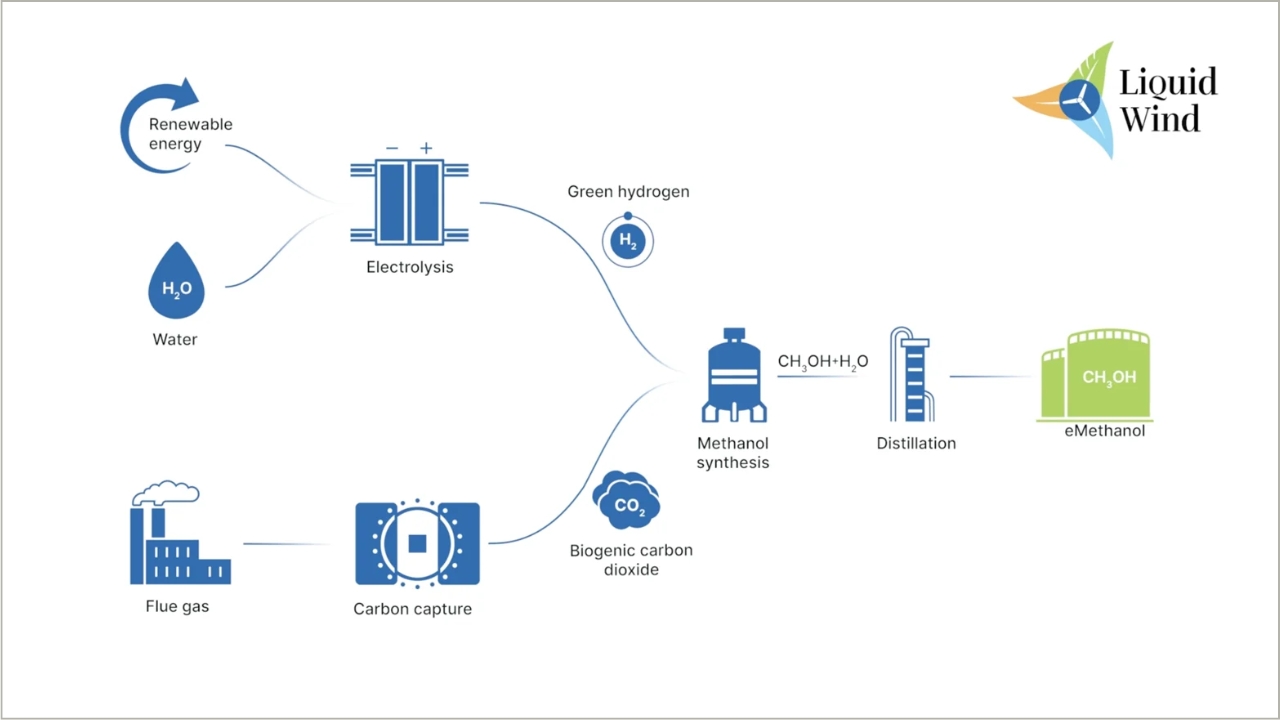
The proposed facility would be integrated with Övik Energi's biofuel-powered combined heat and power plant, which primarily uses forest and paper industry by-products. According to Liquid Wind, the facility would use renewable electricity to produce green hydrogen through electrolysis, combining it with 150,000 tonnes of captured biogenic CO₂ from the CHP plant.
Liquid Wind notes that the facility would produce 100,000 tonnes of e-methanol annually, potentially avoiding 200,000 tonnes of CO₂ equivalent emissions by replacing fossil fuels in transport and industrial applications.
Headquartered in Gothenburg, Liquid Wind develops e-fuel production facilities, operating in Sweden, Denmark, and Finland. Its investors include Alfa Laval, Carbon Clean, Elyse Energy, Samsung Ventures, Siemens Energy, Topsoe, and Uniper.
The company has stated its goal of reaching 10 facility projects by 2027.
|
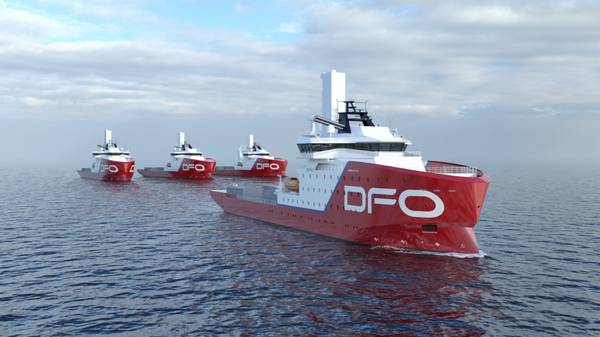
Dong Fang Offshore orders CSOV with battery-hybrid propulsion
Vard secures fifth newbuild contract from Taiwanese firm, with delivery scheduled for 2028. |
|
|
|
||
|
Spain sets out regulatory roadmap for biomethane and bio-LNG growth
Molgas outlines Spain’s biogas targets, certification rules and adoption barriers across transport, maritime and grid injection. |
|
|
|
||
|
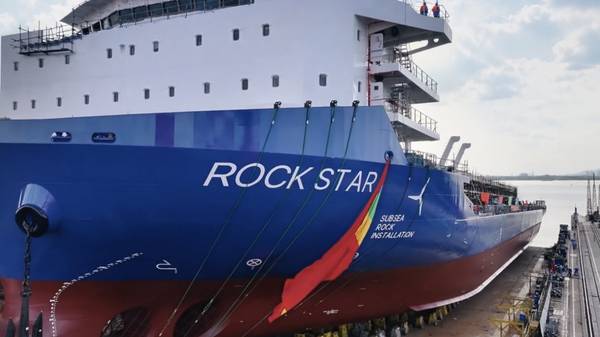
CSL and OWL launch first subsea rock installation vessel for offshore wind
MV Rock Star can run on MGO and methanol and is designed to support scour protection and cable burial for offshore wind projects. |
|
|
|
||
|
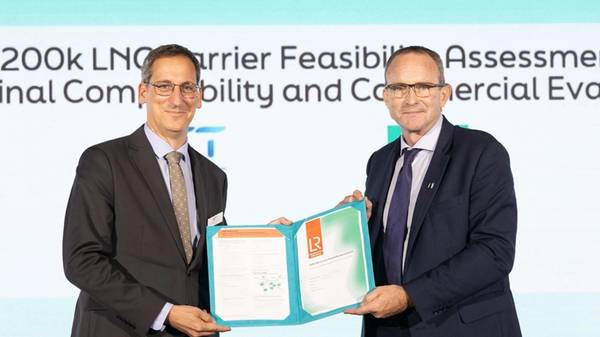
Lloyd’s Register study backs 200,000-cbm LNG carriers for fleet renewal
Analysis finds larger LNG carriers could cut transport costs while retaining access to most major terminals. |
|
|
|
||
|
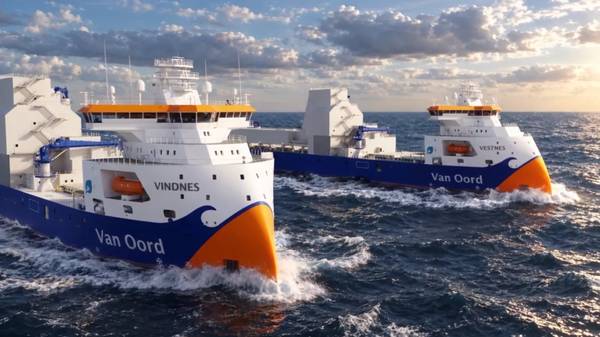
Van Oord names new fallpipe vessels with multi-fuel engines
Dutch marine contractor unveils two purpose-built subsea rock installation vessels due for delivery in 2028 and 2029. |
|
|
|
||
|
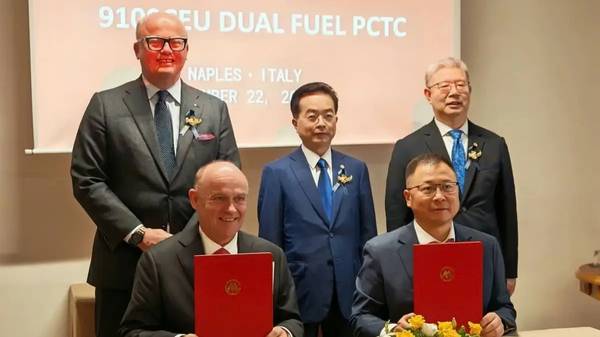
Höegh Autoliners signs contract for six dual-fuel LNG vessels
Aurora Class ships are designed to be converted to run on alternative fuels in the future. |
|
|
|
||
|
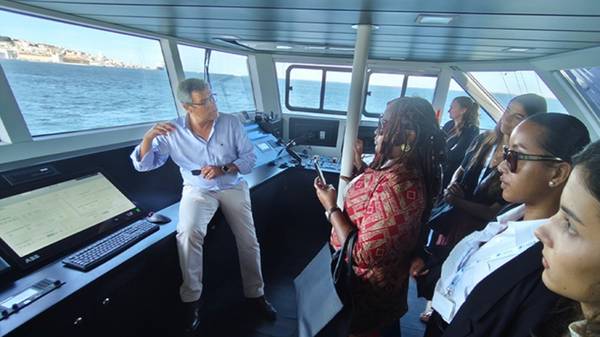
IMO and EMSA gather maritime experts to address seafarer training for alternative fuels
Experts examine how training frameworks must evolve as shipping adopts ammonia, methanol, hydrogen and other new technologies. |
|
|
|
||
|
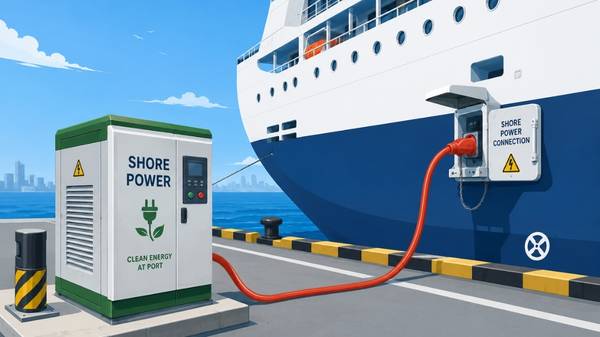
Portsmouth port publishes white paper on UK’s first multi-berth shore power system
UK port shares lessons from five-year project in bid to spur nationwide uptake of the technology. |
|
|
|
||
|
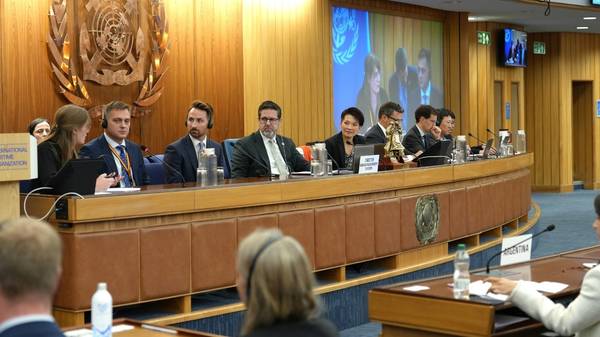
IMO seminar examines technical hurdles facing ammonia as a marine fuel
Technical seminar under the Future Fuels and Technology Project attracts over 800 participants. |
|
|
|
||
|
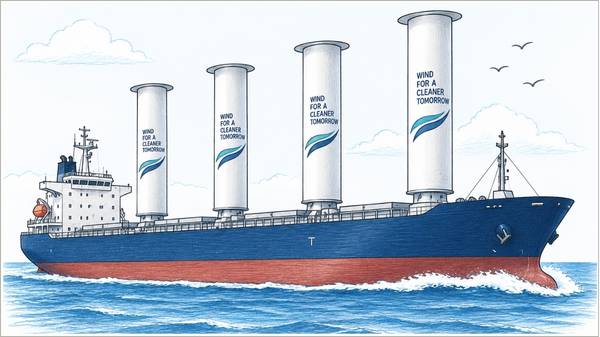
ICS to host webinar on wind-assisted propulsion for shipping
Event to bring together panel of industry experts to discuss wind propulsion as a decarbonisation option. |
|
|
|
||
| Green fuel producers urge IMO to adopt Net-Zero Framework with e-fuel incentives [News & Insights] |
| Clean ammonia project pipeline shrinks as offtake agreements remain scarce [News & Insights] |
| Uniper signs deal for up to 500 kt/yr of renewable ammonia from AM Green [News & Insights] |
| Liquid Wind secures agreements for 100,000-tonne e-methanol facility in Sweden [News & Insights] |
| CSL and OWL launch first subsea rock installation vessel for offshore wind [News & Insights] |
| Höegh Autoliners signs contract for six dual-fuel LNG vessels [News & Insights] |
