

|
UK P&I Club joins SEA-LNG coalition to support LNG marine fuel adoption
Insurer brings 50 years of LNG experience to methane pathway coalition focused on maritime decarbonisation. |
|
|
|
||
|
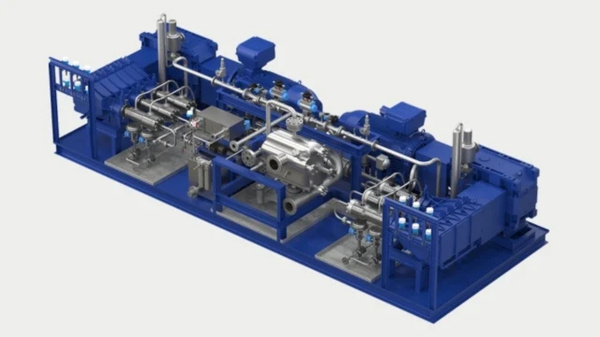
Alfa Laval launches LNG fuel supply system with cryogenic technology
Swedish firm unveils FCM LNG system for LNG-powered vessels, with marine deliveries planned for 2027. |
|
|
|
||

|
Union Maritime orders Anemoi rotor sails for two chemical tanker newbuilds
Wind propulsion technology to help shipowner exceed IMO 2030 greenhouse gas reduction targets. |
|
|
|
||
|
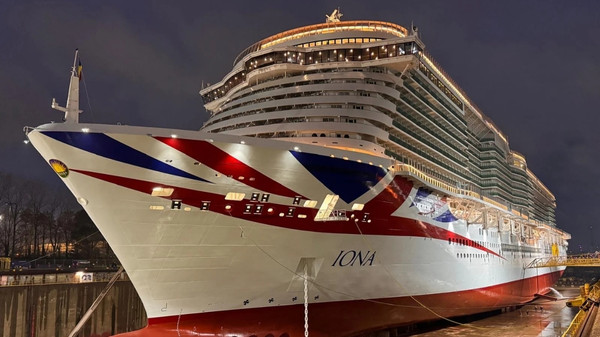
Lloyd's Register completes Europe's first major LNG cruise ship dry docks with Carnival
Iona and Mardi Gras projects required 18 months of planning and in-service passenger inspections. |
|
|
|
||
|
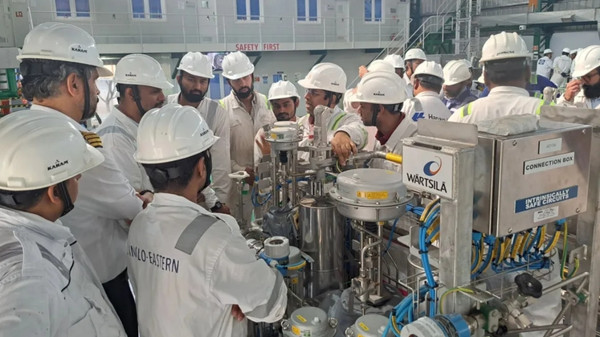
Anglo-Eastern completes pilot training course for ammonia-fuelled vessels
Ship manager prepares crew ahead of first ammonia-fuelled vessel takeover with inaugural training programme. |
|
|
|
||
|
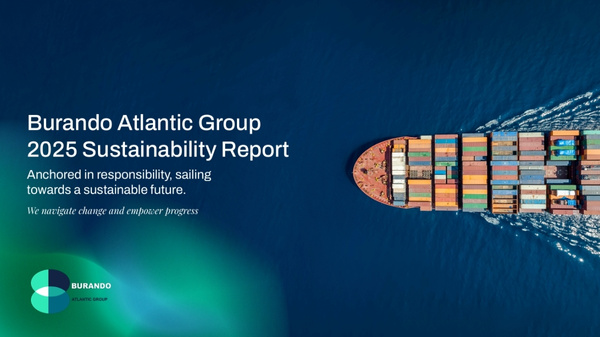
Burando Atlantic publishes first sustainability report, secures ISCC EU recertification
Maritime group releases inaugural sustainability report while Burando Energies extends biofuel traceability certification. |
|
|
|
||
|
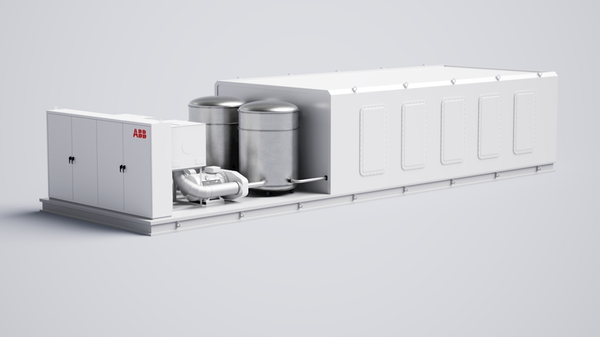
ABB and HDF Energy to develop high-power fuel cells for large ships
Joint development targets megawatt-scale hydrogen fuel cell units for container feeders and liquefied hydrogen carriers. |
|
|
|
||
|
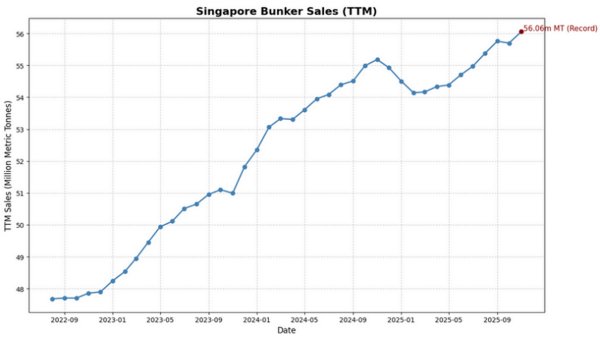
Singapore bunker sales break new ground as TTM volumes surpass 56m tonnes
Trailing 12-month bunker sales rise to new all-time record at Asian port. |
|
|
|
||
|
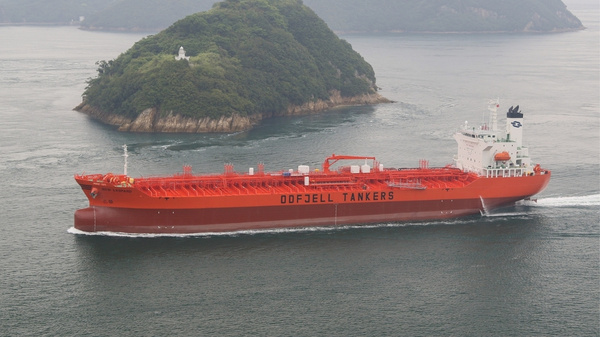
Odfjell launches operational green corridor between Brazil and Europe using biofuel
Chemical tanker operator establishes route using B24 sustainable biofuel without subsidies or government support. |
|
|
|
||
|
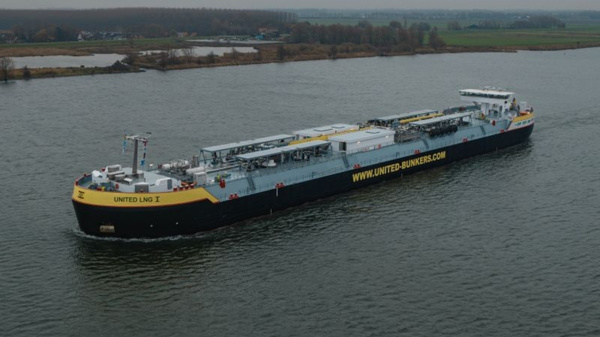
Somtrans christens 8,000-cbm LNG bunker barge for Belgian and Dutch ports
United LNG I designed for inland waterways and coastal operations up to Zeebrugge. |
|
|
|
||
| Panama Canal's contribution to saving fuel highlighted at MEPC 70 [News & Insights] |
| 0.5% sulphur cap could lead to LNG bunker sales of 30m tonnes by 2025-30, says Engie VP [News & Insights] |
| Presentation of 2020 fuel availability study at MEPC 70 [News & Insights] |
| Secretary-General's speech at MEPC 70 [News & Insights] |
| European ports call for North Sea and Baltic NECA by 2021 [News & Insights] |

