
|
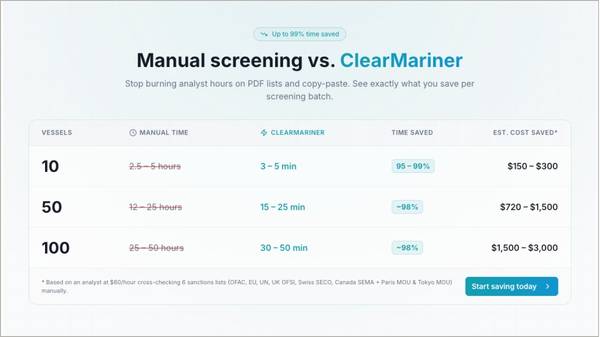
ClearMariner expands maritime sanctions screening with ESG, emissions and API support
Online service now combines sanctions checks with voyage CO₂, CII, EU ETS and FuelEU Maritime estimates. |
|
|
|
||

|
Flex Commodities adds Long Jing Xin to Singapore marine fuels team
Company appoints associate for marine fuels as part of plan for regional expansion. |
|
|
|
||
|
CMA CGM recruiting risk manager to oversee oil, gas and CO₂ exposure in energy and bunkering unit
Container line seeks senior hire for hedging, stress testing and fuel purchasing performance oversight. |
|
|
|
||
|
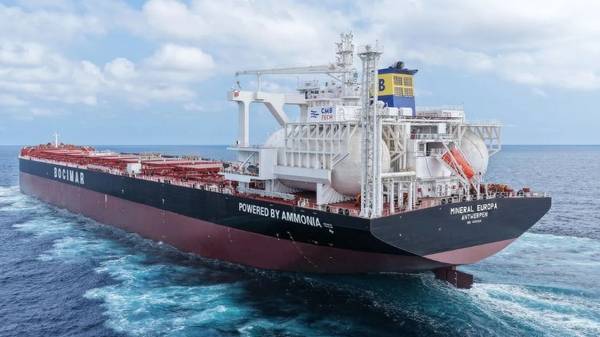
CMB.Tech's Mineral Europa starts maiden voyage as first ammonia-powered dry bulk vessel
Ship is bound for Australia, with 21 ammonia-powered vessels due to join its fleet by 2029. |
|
|
|
||
|
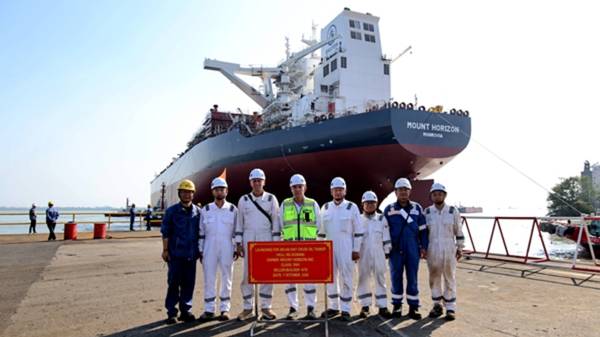
New Times Shipbuilding launches 299,500-DWT LNG dual-fuel crude oil tanker
Sixth vessel in series launched in Jiangsu province, China. |
|
|
|
||
|
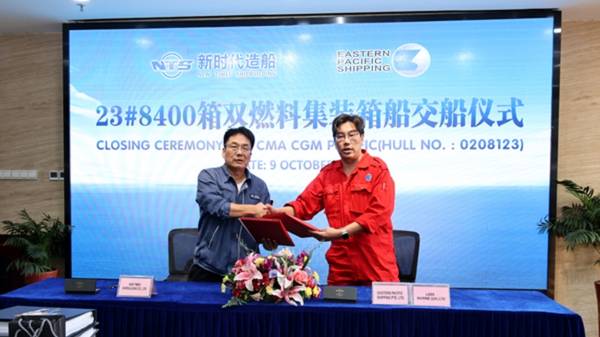
LNG dual-fuel boxship handed over to Eastern Pacific Shipping
Closing ceremony held for 8,400-TEU vessel in Jiangsu province. |
|
|
|
||
|
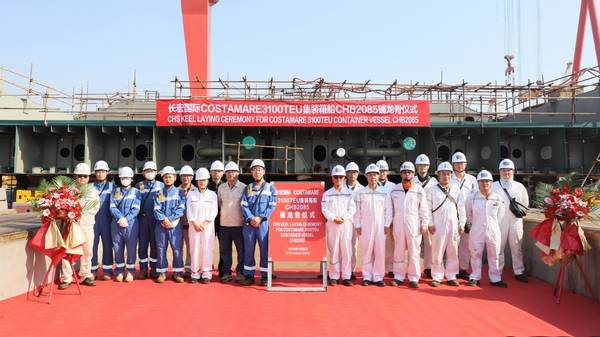
Changhong International lays keel of third 3,100-TEU boxship for Costamare Shipping
Feeder vessel to feature scrubber system, supporting the use of high-sulphur fuel oil. |
|
|
|
||
|
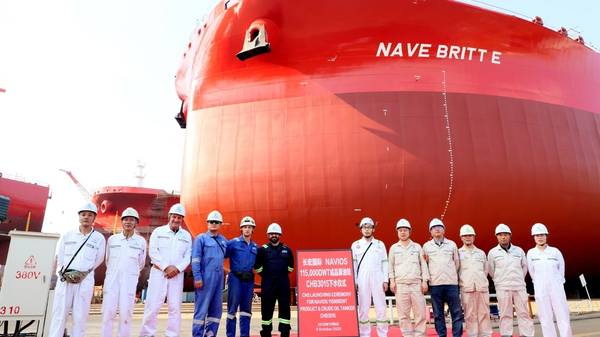
Changhong International launches fifth 115,000-tonne product tanker for Navios
Vessel is designed for future methanol or LNG use and includes provision for medium-voltage shore power. |
|
|
|
||
|
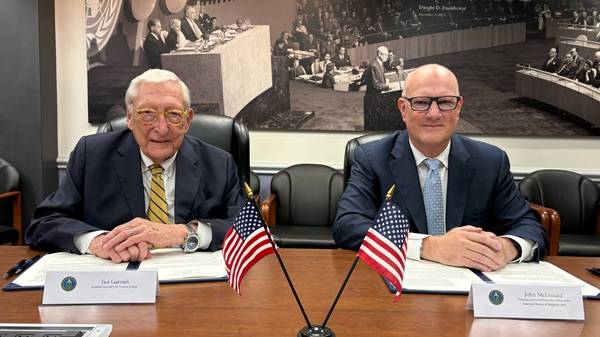
ABS and US Department of Energy sign MoU on maritime nuclear applications
Agreement covers floating nuclear power, nuclear-powered vessels and the port and shipyard infrastructure needed to support them. |
|
|
|
||
|
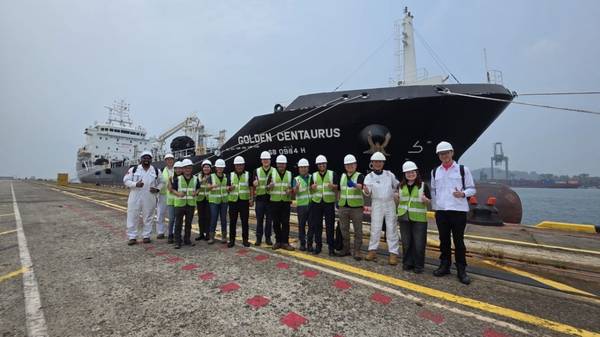
Singapore safety council inspects methanol bunker tanker Golden Centaurus
NMSSC members 'encouraged' by integration of structural and operational safety into newly commissioned IMO Type II vessel. |
|
|
|
||
| Singapore bunker sales rise above 3m tonnes [News & Insights] |
| Singapore MGO drops to lowest price since April [News & Insights] |
| SIBCON event details are released [News & Insights] |
| Anemoi Marine Technologies appoints Lloyd’s Register technical director to oversight committee [News & Insights] |
| NYK operates methanol-fuelled bulk carrier for BHP, claims 65% emissions cut [News & Insights] |
| Galveston LNG Bunker Port signs vessel partnership with TOTE Services [News & Insights] |
| Compagnie Maritime Nantaise wins Bpifrance backing for space logistics vessel decarbonisation project [News & Insights] |
| IBIA opens voting for board elections with 11 candidates competing for four positions [News & Insights] |

