DNV and
Korea Gas Corporation (KOGAS), South Korea’s national gas company, have entered into an agreement to cooperate on a feasibility study on the establishment of an LNG bunkering infrastructure in
South Korea.
Based on the agreement, DNV will qualitatively and quantitatively study the feasibility of implementing LNG bunkering in the ports of
Busan,
Incheon and
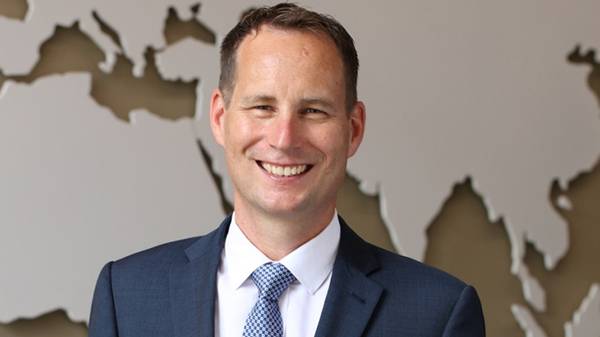
Pyeongtaek. The project will be led by Dr.
Sun Il Yoo, Senior Customer Service Manager at DNV Korea, who will be assisted by the
DNV Clean Technology Centre in
Singapore.
"This is one of the largest and most comprehensive feasibility studies ever initiated in the worldwide LNG bunkering industry," DNV said.
KOGAS has formed consortiums with Korea’s major energy companies to carry out the feasibility study. It will be run by a consortium consisting of KOGAS and
Kyungnam Energy in the south-eastern area, and by a consortium consisting of KOGAS and
Samchully in the western area.
Through this project, DNV aims to define Korea’s commercial opportunities related to LNG distribution and shipping by addressing possible LNG supply chains and infrastructures, technologies related to LNG shipping and bunkering, standards, regulations and issues regarding public acceptance.
“DNV is one of the globally leading risk management service providers that have extensive experience in LNG sectors. KOGAS has already cooperated closely with DNV on R&D and Health, Safety, Environmental and Quality (HSEQ) management. We’re looking forward to continuing our partnership, to which DNV can bring its risk-analysis expertise in the LNG sector, and especially in the LNG bunkering field, and help us to take this LNG bunkering project one step closer to reality,” said
Yang Young Myung, Vice President and Head of the R&D Division at KOGAS.
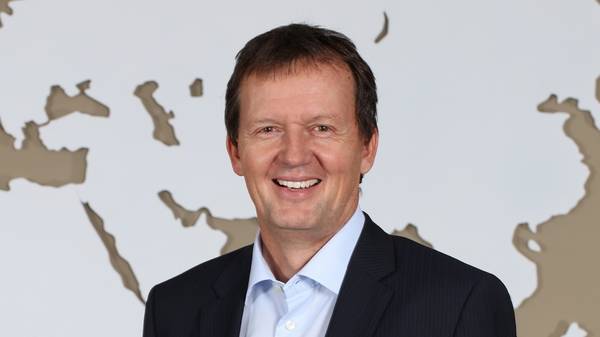
“For years, DNV has developed comprehensive knowledge of the entire LNG value chain. We are the first classification society to present guidelines on LNG-fuelled vessels and have recently been active in introducing innovative LNG shipping concepts. DNV is leading the development of rules and recommended practices in the LNG sector, including the development of bunkering standards. We are thrilled to provide our expertise to KOGAS, the largest LNG importing company in the world,” commented
Jon Rysst, Regional Manager of DNV Korea & Japan.
Prior to this agreement, in May 2012, KOGAS formed an LNG bunkering consultative group to build an LNG bunkering infrastructure, develop an LNG propulsion ship and improve the gas supply to coastal and insular areas. The group, led by KOGAS, includes
Korea Gas Safety Corporation, major shipbuilders (
Hyundai Heavy Industries,
Daewoo Shipbuilding & Marine Engineering,
Samsung Heavy Industries and
STX Offshore & Shipbuilding), classification societies (
DNV,
LR and
KR), major energy companies (
POSCO,
Kyungnam Energy,
Samchully,
SK E&S and
STX Energy), a shipping company (
STX Pan Ocean) and relevant industry associations.
"By forming this expertise group and initiating R&D projects, KOGAS aims to expedite the development of LNG bunkering infrastructures and LNG bunkering vessels and make Korea one of the first movers in the global LNG bunkering industry," DNV said.