|
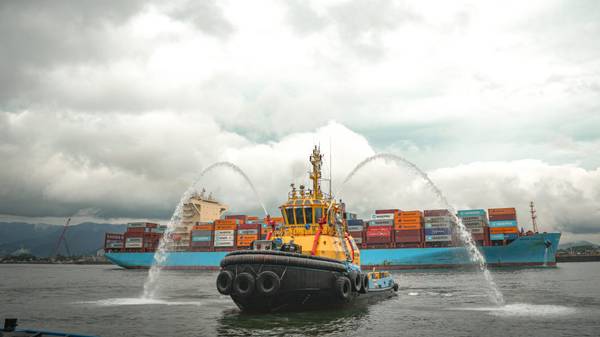
Port of Santos doubles shore power capacity for tugboat fleet
New onshore electricity connections aim to cut diesel use and emissions across Brazil's largest tugboat fleet. |
|
|
|
||
|
Nord Gas Solutions to supply gas handling systems for two VLGCs at HD Hyundai yard
HD Hyundai awards contract for dual-fuel carriers designed to carry LPG and ammonia. |
|
|
|
||
|
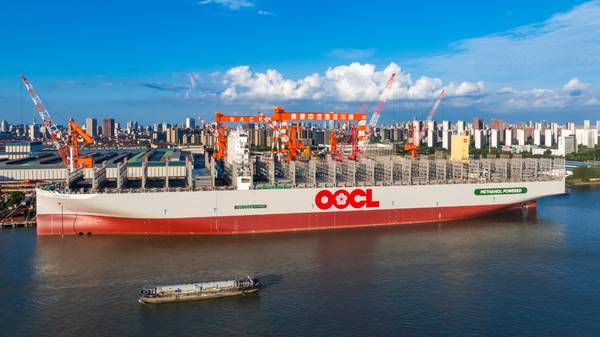
OOCL names third methanol dual-fuel giant, OOCL Faith
OOCL Faith is the third of seven 24,000 TEU methanol dual-fuel container vessels being built by NACKS. |
|
|
|
||
|
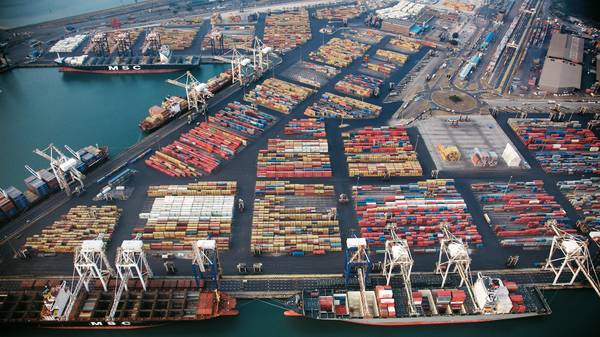
Consortium reaffirms plans for Durban project that could provide LNG bunkering
Infrastructure developed could be used to offer LNG bunkering services at the South African port. |
|
|
|
||
|
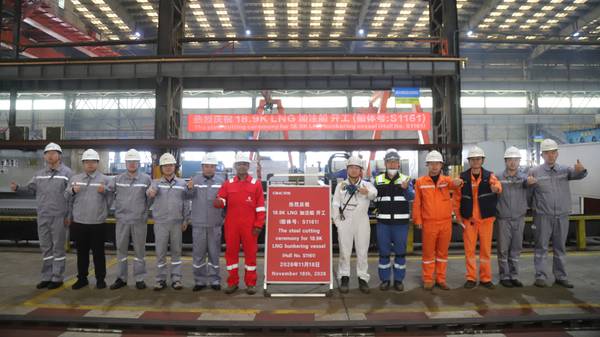
CIMC SOE begins construction of 18,900-cbm LNG bunkering vessel for Spanish owner
Vessel to feature 'ultra-low methane slip engine' and high-storage-pressure design. |
|
|
|
||
|
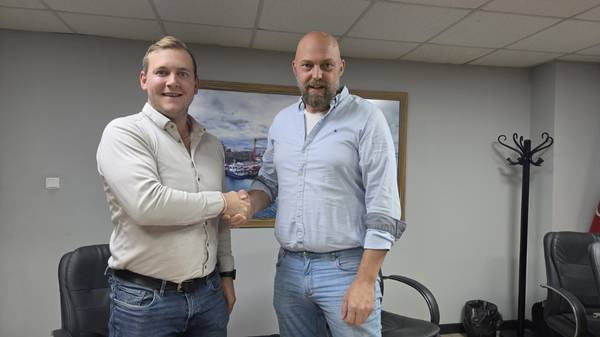
Breeze Ship Design, Bjòrn Shipping and Norse Shipyard team up on new aquaculture support vessel
Vessel to be equipped with battery system intended to help reduce fuel consumption and emissions. |
|
|
|
||
|
World Shipping Council pushes for binding global emissions rules as fleet investment tops $200bn
Trade body warns delays to IMO's climate framework risk stalling progress on the investment already committed to dual-fuel vessels. |
|
|
|
||

|
K Line orders two LPG dual-fuel VLGCs designed for ammonia carriage
Kawasaki Kisen Kaisha signs deal with HD Hyundai Samho for two gas carriers able to run on LPG, with delivery due in 2030. |
|
|
|
||
|
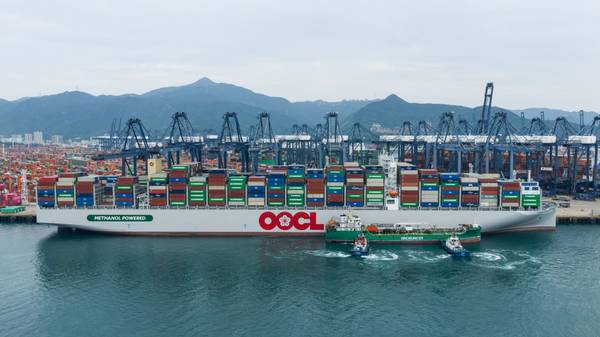
OOCL Grace completes 'green methanol bunkering' during YICT maiden call
Second of seven dual-fuel OOCL container vessels carries out methanol bunkering during first visit to container-terminal complex. |
|
|
|
||
|
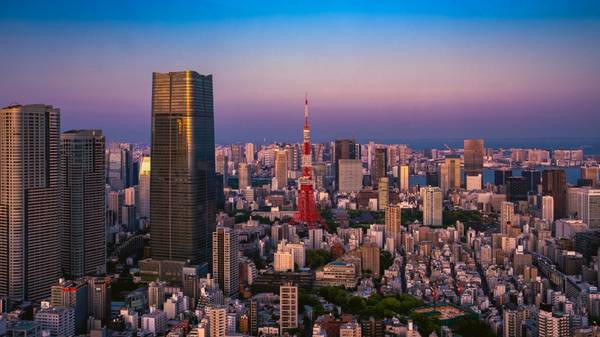
Monjasa opens recruitment for trading role in Tokyo
Position requires minimum of three to four years of relevant experience in the bunker or shipping industry. |
|
|
|
||
| Freight association slams 'yet another surcharge' by box carriers [News & Insights] |
| CMA CGM posts steep profit decline amid 'rising fuel costs' [News & Insights] |
| CMA CGM extends emergency bunker surcharge [News & Insights] |
| OOCL names third methanol dual-fuel giant, OOCL Faith [News & Insights] |
| WinGD and Hanwha Engine expand collaboration ahead of new engine launches [News & Insights] |
| Changhong International launches LNG dual-fuel boxship for MSC [News & Insights] |
| Xiamen Port launches 'green methanol bunkering' with OOCL Wisdom [News & Insights] |
| New Times Shipbuilding delivers 24th LNG dual-fuel boxship to EPS [News & Insights] |