
|
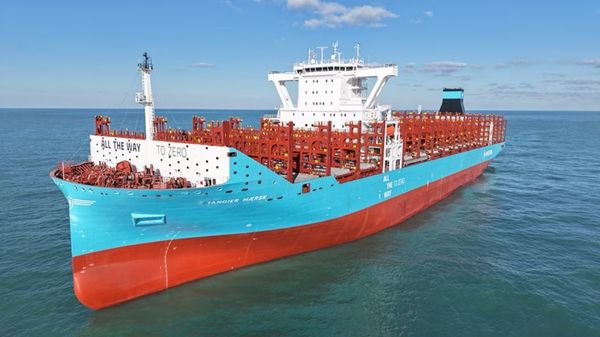
Maersk completes first US ethanol bunkering of a deep-sea container ship
Shipper tests US-produced corn ethanol as a marine fuel aboard the Tangier Maersk. |
|
|
|
||
|
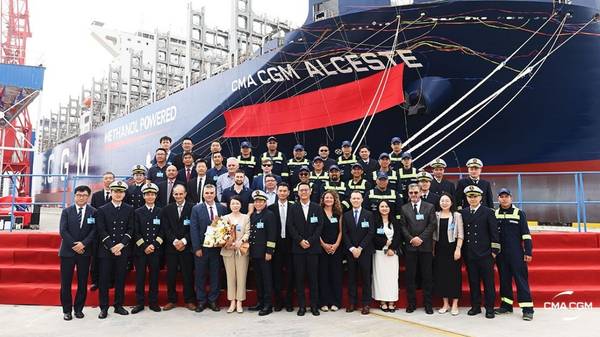
CMA CGM names methanol-powered vessel after Molière’s Alceste
Ship features a MAN B&W 8G85ME two-stroke engine configured to run on conventional marine fuel and methanol. |
|
|
|
||
|
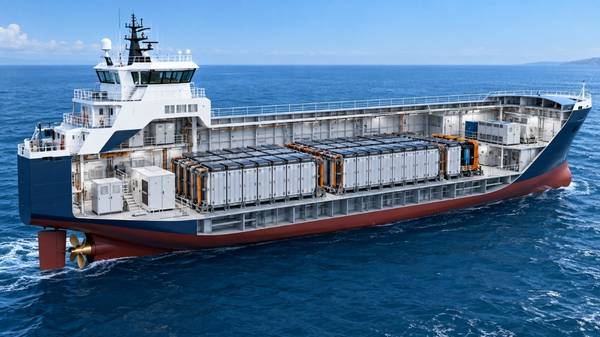
Why batteries still cannot power ships across oceans
Battery-electric ships dominate short-sea routes, but energy-density and infrastructure constraints keep deep-sea propulsion out of reach. |
|
|
|
||

|
VPS to run marine fuel management course in Singapore
Two-day programme in November covers fuel handling, testing and decarbonisation rules, including a laboratory tour. |
|
|
|
||

|
Petrobras launches HSFO bunker sales in Rio de Janeiro
Brazilian supplier begins prompt HSFO deliveries in Rio, pricing the fuel more than $80 per tonne below VLSFO. |
|
|
|
||
|
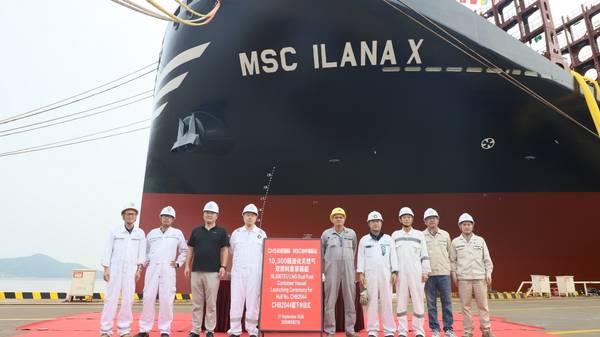
Changhong International launches eighth LNG dual-fuel container ship for MSC
10,300-TEU vessel is designed to meet ammonia- and methanol-ready specifications. |
|
|
|
||
|
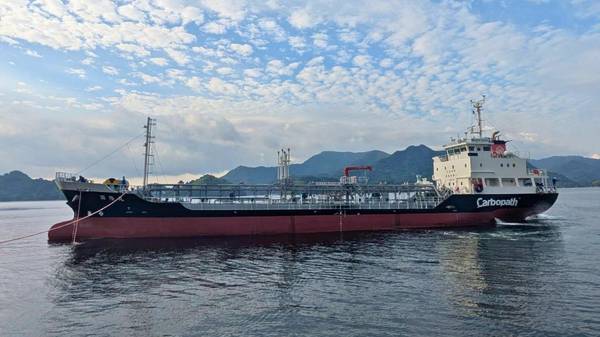
Japan completes first methanol-fuelled coastal vessel and conducts inaugural bunkering
Mitsubishi Gas Chemical, Kokuka Sangyo and Hanshin Diesel Works mark the completion of methanol-fuelled chemical tanker Kokuryu Maru. |
|
|
|
||
|
Eleven Energy recruiting trader for new Singapore office
Saudi bunkering firm looking to hire in Asian city-state ahead of planned January 2027 start date. |
|
|
|
||

|
VPS advertises for bunker surveyor role in Singapore
Testing and inspection firm seeks candidate to conduct bunker fuel surveys under Singapore Standards SS 648 and SS 600. |
|
|
|
||
|
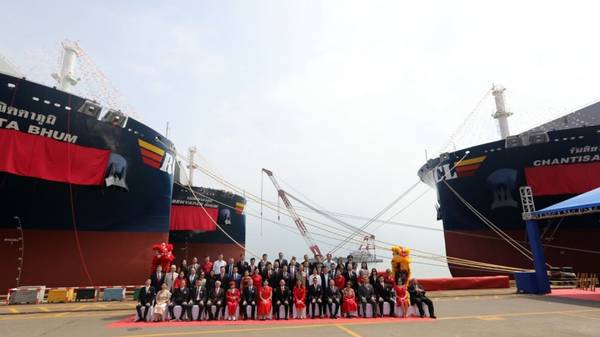
RCL names first three of eight dual-fuel-ready 4,488-TEU vessels in China
Regional Container Lines takes delivery of Anitta Bhum on day of naming ceremony. |
|
|
|
||
| PERFECt phase II readies LNG-fuelled boxship with no engine room for the order book [News & Insights] |
| Total named CMA CGM's multifuel supplier in three-year deal [News & Insights] |
| Engie and CMA CGM sign LNG bunkering research agreement [News & Insights] |
| New partners join LNG-fuelled COGAS ULCS project [News & Insights] |
| Maersk completes first US ethanol bunkering of a deep-sea container ship [News & Insights] |
| CMA CGM names methanol-powered vessel after Molière’s Alceste [News & Insights] |
| CMA CGM names methanol-powered vessel after Molière’s Alceste [News & Insights] |
| CMA CGM names methanol-powered vessel after Molière’s Alceste [News & Insights] |
| Why batteries still cannot power ships across oceans [News & Insights] |

