Thu 12 Jul 2012, 15:33 GMT

Saving fuel with autopilot system


Oil tankers to retrofit autopilot system in a bid to lower fuel consumption and emissions.


German navigation system manufacturer Raytheon Anschüt aims to address the issue of fuel efficiency with the newly-developed autopilot series NP 5000.

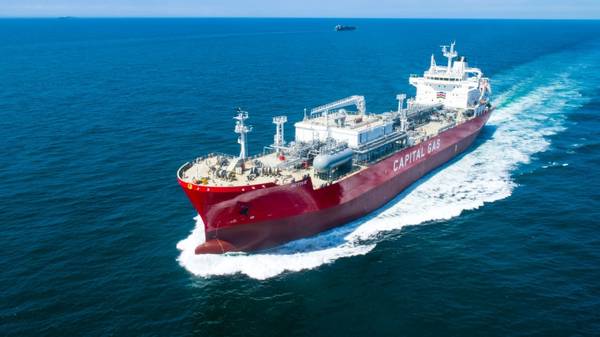
The US-based Overseas Shipholding Group (OSG) has contracted Raytheon Anschütz to retrofit existing autopilot systems on its fleet of oil tankers with the newly developed Anschütz NautoPilot 5300. The first autopilot system was installed onboard Overseas Fran [pictured] in October 2011.

"OSG are undertaking great efforts to increase energy efficiency onboard of their ships. The choice of our new adaptive autopilot system was influenced by considerations of saving fuel and thus reducing emissions", said Olav Denker, Product Manager at Raytheon Anschütz. "With OSG, we have now had the chance to prove positive effects of NP 5000 on steering performance and fuel consumption in practice for the first time."

NP 5000 is said to help optimize rudder movements with its integrated ECO-Mode. Raytheon Anschüt explained: "In Eco-Mode, the autopilot automatically adapts to the current sea-state and weather. Instead of keeping a heading with frequent rudder actions with high amplitudes, the rudder's sensitivity to periodical yawing movements caused by roll and pitch is reduced. Subsequently less rudder action is required, which leads to lower levels of speed reduction and thus less fuel consumption."

The first voyage of Overseas Fran with NP 5000 was from Skagen to New York. To investigate the actual effect of NP 5000 on rudder steering, the heading and rudder plot of this voyage was compared with the results of the last voyage on the same route with the old autopilot system, under similar weather conditions during both voyages.

Captain Dmitry Shatrov, Master of Overseas Fran, commented: "We can see on our print-out that rudder movement is more economic and gentle with the new autopilot system."

The effect of ECO-Mode is further supported by the new integrated heading and rudder plotter, which provides a graphical indication of heading changes and the resulting rudder angles. This graphic display instantaneously indicates the steering performance of the vessel due to the effects of changes to parameter settings such as rudder, counter rudder and yawing. The operator is said to benefit from simplified adjustments of the autopilot's settings to gain optimized steering performance, which further minimizes rudder action and thus increases fuel efficiency.

"The newly installed autopilot system has a user-friendly interface in which you can easily adjust autopilot functionality in the prevailing circumstances, weather condition and required steering accuracy. So that we can navigate the vessel more gently and economically, taking into consideration fuel savings and safety", Captain Shatrov said.

The relevance of optimized rudder movements for fuel savings has already been highlighted by IMO as a "best practice" for efficient ship operation when developing a Ship Energy Efficiency Management Plan (SEEMP).

"Since we all know that less rudder movement significantly contributes to reduced fuel consumption and emissions, we have developed and implemented unique features such as the Eco-mode and the heading and rudder plotter into the new NP 5000 autopilot series", said Denker.

In addition to its fuel-saving potential, NP 5000 is also equipped with advanced functions for high precision course keeping, for example for safe navigation in challenging sea areas near coastlines and shallow sea areas, platforms or archipelagos. Besides heading control and track control the new autopilot features a course control mode. When steering in this mode, the autopilot automatically compensates for drift and keeps the vessel on the defined course over ground line.

An optionally integrated acceleration monitor provides a warning if a pre-defined cross acceleration limit is exceeded. This helps to avoid damage to cargo or discomfort to passengers due to high acceleration stresses that might occur for example during a heading change at high speed.

The NautoPilot 5000 was launched at the beginning of 2011 as a successor to the NautoPilot 2000 series. In total, Raytheon Anschütz supplies 800 autopilot systems each year to the global shipping industry.


TMS Tankers logo. Lloyd’s Register delivers fleet-wide energy transition roadmap for TMS Tankers  

LR Advisory maps vessel-level compliance risk and decarbonisation pathways across the Greek owner’s tanker fleet.

Dr Prapisala Thepsithar, GCMD. GCMD shares biofuel assurance and green finance insights at Hong Kong shipping decarbonisation forum  

The Global Centre for Maritime Decarbonisation presented pilot findings on biofuels and energy efficiency financing.

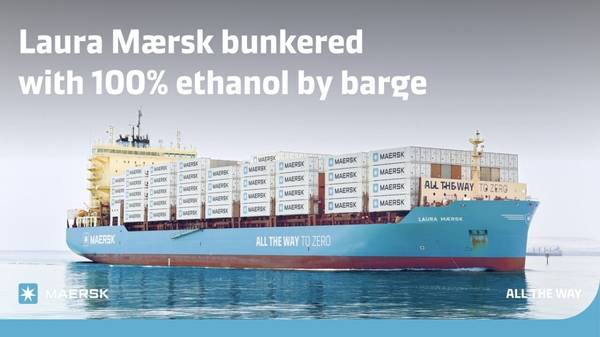
Laura Maersk ethanol bunkering graphic. Maersk conducts large-scale ethanol bunkering trial on Laura Maersk in Rotterdam  

A.P. Moller – Maersk has conducted a barge-delivered ethanol bunkering operation as part of ongoing fuel trials.

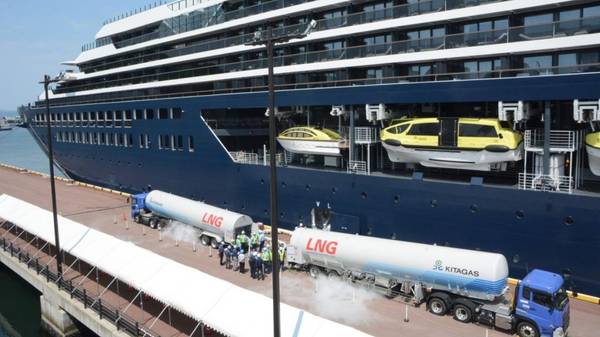
Luminara vessel truck-to-ship bunkering. MOL Techno-Trade completes first LNG bunkering for international cruise ship in Hokkaido  

Truck-to-ship LNG operation at Hakodate marks first such supply to an international cruise vessel in Hokkaido.

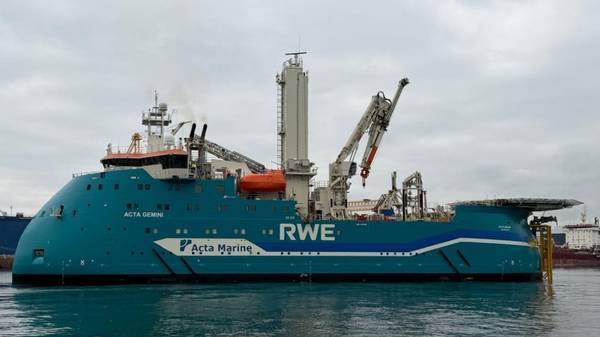
Acta Gemini vessel. Acta Marine takes delivery of methanol dual-fuel CSOV Acta Gemini for RWE wind farm charter  

The vessel will support operations at the Sofia Offshore Wind Farm at Dogger Bank.

Yeva Wood and Kirsten Møller Jørgensen. Malik Supply expands Danish team with bunker trader and finance hire  

Danish bunker supplier Malik Supply adds two new staff across its Fredericia and Aalborg offices.

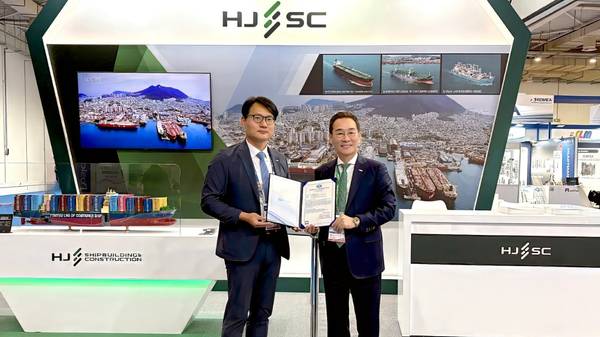
AiP award ceremony for a 10,000-teu biofuel-powered container ship. HJSC wins AiP for 10,000-teu biofuel-powered container ship design  

South Korean shipbuilder HJ Shipbuilding & Construction receives classification society approval for its biofuel vessel design at Posidonia.

Active vessel. Capital Clean Energy Carriers takes delivery of LNG carrier and dual-fuel gas carrier, secures five new charters  

Athens-based CCEC expands its fleet and pushes contracted revenue backlog to $3.1bn.

VPS logo. Fuel quality management for vessels in extended idle: Arabian Gulf, Gulf of Oman and adjacent anchorages | Rahul Choudhuri, VPS  

Managing fuel quality deterioration following the closure of the Strait of Hormuz.

Person signing a document. Agastya Green Fuels signs 250,000 t/yr e-methanol offtake deal with Sri Lanka’s SAR Group  

Indian producer and Sri Lankan maritime firm agree long-term green methanol supply partnership.