Wed 10 Nov 2010, 06:17 GMT

Pacific Rubiales to launch bunker venture


Energy firm plans to enter the Colombian bunker market as part of its downstream integration strategy.


Canada-headquartered Pacific Rubiales Energy Corp. has announced that it plans to enter the Colombian bunker market as part of its vertical downstream integration strategy.

The Toronto-based petroleum exploration and production company is primarily involved in the heavy crude oil and natural gas markets. Its main focus is identifying opportunities within the eastern Llanos Basin of Colombia as well as other areas of Colombia and northern Peru. It owns 100 percent of Meta Petroleum Corp., a Colombian oil company which operates the Rubiales and Piriri oil fields in the Llanos Basin in association with Ecopetrol S.A., Colombia's national oil company.

Outlining its downstream strategy, Pacific Rubiales said it would be investing in a new venture named CI Pacific Fuels S.A., which will initially focus on developing the bunker market within Colombia, as well as the supply of finished products to the wholesale market.

"The company believes that this is the best way to start building a presence in the downstream market," Pacific Rubiales said in a statement.

"This downstream integration strategy is also an important piece in fulfilling the need for the company to gain a larger and more integrated presence in the Colombian market, particularly as it becomes the most important heavy oil producer in Colombia," the company added.

Pacific Rubiales also intends to buy a stake in Pacific Infrastructure Inc., which, among other projects, is developing a new crude oil and products terminal and port in Cartagena, as well as a new pipeline that will link Covenas with Cartagena in the Caribbean region.

Explaining the rationale behind the plan, Pacific Rubiales said "With a small investment the company will secure alternative storage and port capacity for both its imports and growing exports."

The company's plan to enter the bunker market and develop its downstream business forms part of its overall strategy, which is made up of three major components: (i) growth based upon discovering, developing and producing new and existing reserves; (ii) securing market access by participating in key oil and gas transportation and port infrastructure projects; and (iii) integrating downstream assets in the value chain while strengthening the links with stakeholders in the host countries.

Commenting on the company's integration strategy, Ronald Pantin, Chief Executive Officer, said: "This new adaptive strategy seeks primarily to mitigate the inherent volatility in the oil and gas commodities market. It will allow us to start exploring a wider spectrum of opportunities in the energy sector, from our present secure base in the upstream market, while opening what we believe are new windows of opportunity, with the right balance between access to markets, capital cost and strategic control.

"The integration strategy that has been unveiled by the company responds to clear business objectives, within the framework of minimizing risks and cash outlays but allowing for strategic positioning and control. It also responds to the growing need to establish stronger links with the host countries and their economic development, their government, and the social forces in the areas where we operate."


TMS Tankers logo. Lloyd’s Register delivers fleet-wide energy transition roadmap for TMS Tankers  

LR Advisory maps vessel-level compliance risk and decarbonisation pathways across the Greek owner’s tanker fleet.

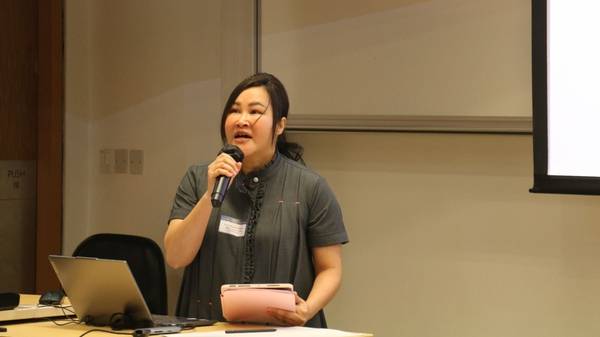
Dr Prapisala Thepsithar, GCMD. GCMD shares biofuel assurance and green finance insights at Hong Kong shipping decarbonisation forum  

The Global Centre for Maritime Decarbonisation presented pilot findings on biofuels and energy efficiency financing.

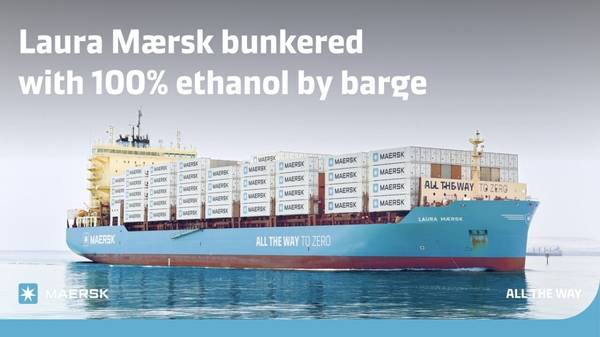
Laura Maersk ethanol bunkering graphic. Maersk conducts large-scale ethanol bunkering trial on Laura Maersk in Rotterdam  

A.P. Moller – Maersk has conducted a barge-delivered ethanol bunkering operation as part of ongoing fuel trials.

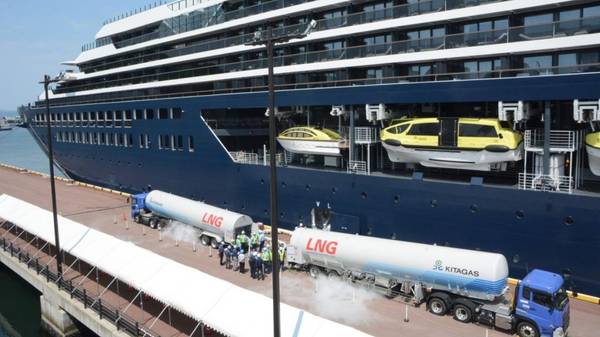
Luminara vessel truck-to-ship bunkering. MOL Techno-Trade completes first LNG bunkering for international cruise ship in Hokkaido  

Truck-to-ship LNG operation at Hakodate marks first such supply to an international cruise vessel in Hokkaido.

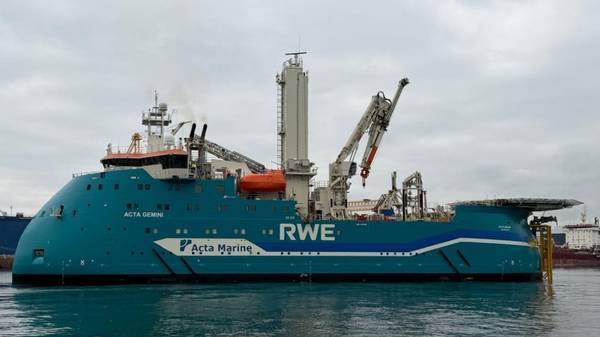
Acta Gemini vessel. Acta Marine takes delivery of methanol dual-fuel CSOV Acta Gemini for RWE wind farm charter  

The vessel will support operations at the Sofia Offshore Wind Farm at Dogger Bank.

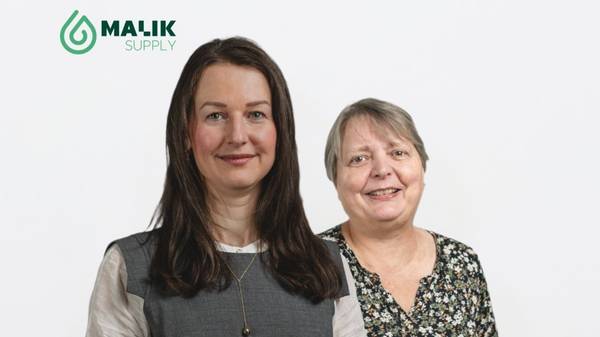
Yeva Wood and Kirsten Møller Jørgensen. Malik Supply expands Danish team with bunker trader and finance hire  

Danish bunker supplier Malik Supply adds two new staff across its Fredericia and Aalborg offices.

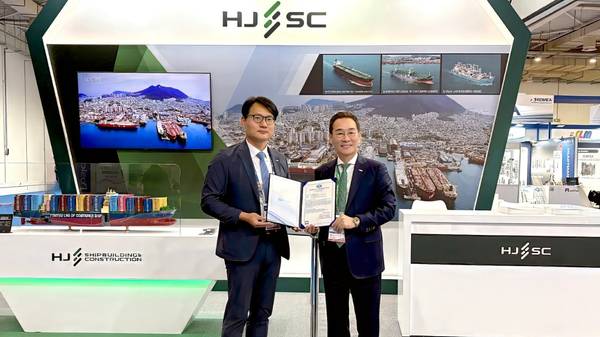
AiP award ceremony for a 10,000-teu biofuel-powered container ship. HJSC wins AiP for 10,000-teu biofuel-powered container ship design  

South Korean shipbuilder HJ Shipbuilding & Construction receives classification society approval for its biofuel vessel design at Posidonia.

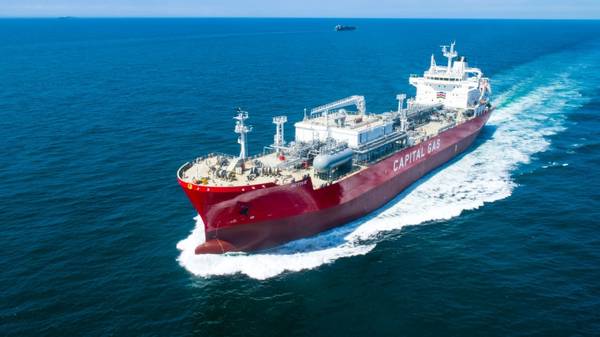
Active vessel. Capital Clean Energy Carriers takes delivery of LNG carrier and dual-fuel gas carrier, secures five new charters  

Athens-based CCEC expands its fleet and pushes contracted revenue backlog to $3.1bn.

VPS logo. Fuel quality management for vessels in extended idle: Arabian Gulf, Gulf of Oman and adjacent anchorages | Rahul Choudhuri, VPS  

Managing fuel quality deterioration following the closure of the Strait of Hormuz.

Person signing a document. Agastya Green Fuels signs 250,000 t/yr e-methanol offtake deal with Sri Lanka’s SAR Group  

Indian producer and Sri Lankan maritime firm agree long-term green methanol supply partnership.