Mon 24 Aug 2009, 07:32 GMT

Low sulphur fuel policy pays environmental dividends


Wallenius Wilhelmsen says it has cut CO2 emissions by 18.2 percent since 2004.


Wallenius Wilhelmsen Logistics (WWL) has revealed that its low sulphur fuel policy has enabled it to reduce the environmental impact of deep sea cargo movements.

Melanie Moore, Global Head of Environment and Quality, Wallenius Wilhelmsen Logistics, said that the company had calculated that it cut CO2 emissions in grams per tonne kilometre (g/tkm) by 6.9 per cent in 2008 compared to 2007 and achieved an 18.2 per cent reduction since 2004, well in advance of industry standards.

Between 2001 and 2008, WWL saved 121,293 tonnes of SO2 emissions by using lower sulphur content fuel compared to the industry average. "This is equivalent to one and half times as much SO2 that London, a city of 7.2 million, emitted over a similar period," WWL said in a statement.

In addition, WWL has reduced it's NOx emissions in 2008 by 20.8 per cent since 1999.

These are just some of the facts to be found in WWL's "Environmental and Social Responsibility Report 2008" published last week.

Other highlights of the 2008 report include:

# The average sulphur content in the bunker fuel used globally was 1.39 per cent. Since 2004, the company has maintained 1.5 per cent sulphur content as a maximum standard globally, compared with the international requirement of 4.5 per cent.

# WWL's Orcelle Fund provided a grant to a "Carbon Negative Transport System" project that uses low carbon emissions power systems for vessels. The Orcelle Fund, which grew out of the company's visionary zero emission concept vessel E/S Orcelle, continues to support the development of alternative energy ideas.

# WWL continued as the sole sponsor of WWF's High Seas Conservation Programme. Its financial and organisational support enables WWF to campaign for reductions in greenhouse gas emissions from shipping, encourage flag states to ramp up performance, establish spatial planning of the oceans, and combat invasive species transported in ballast water.

"WWL has again shown a strong track record in reducing its environmental impacts, setting high standards for the entire industry. WWF is pleased to work with such a forward thinking company and encourages WWL to continue work towards its zero emissions goal," said Mr Miguel Jorge, Director Marine, WWF International.

Mrs Moore said: "We have a long term vision of a zero emissions vessel. This keeps us energetically working towards a future where fossil fuels will be limited and harmful emissions will not be accepted as a business practice.

"It's a marathon, and that is why we focus so intensely today on continual reductions in our environmental impact," Mrs. Moore concluded.

Norway 

TMS Tankers logo. Lloyd’s Register delivers fleet-wide energy transition roadmap for TMS Tankers  

LR Advisory maps vessel-level compliance risk and decarbonisation pathways across the Greek owner’s tanker fleet.

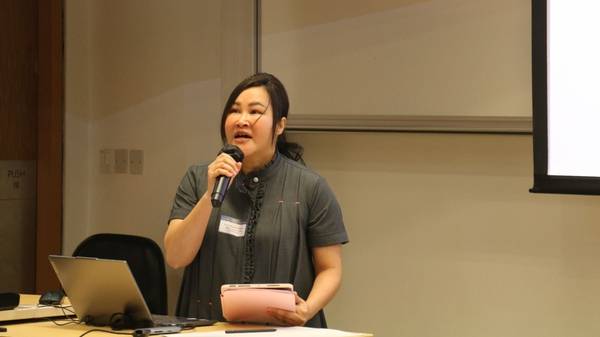
Dr Prapisala Thepsithar, GCMD. GCMD shares biofuel assurance and green finance insights at Hong Kong shipping decarbonisation forum  

The Global Centre for Maritime Decarbonisation presented pilot findings on biofuels and energy efficiency financing.

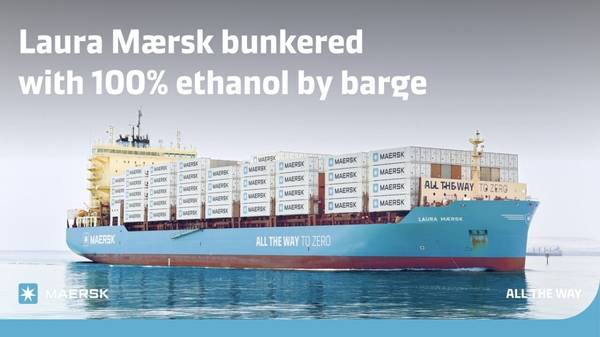
Laura Maersk ethanol bunkering graphic. Maersk conducts large-scale ethanol bunkering trial on Laura Maersk in Rotterdam  

A.P. Moller – Maersk has conducted a barge-delivered ethanol bunkering operation as part of ongoing fuel trials.

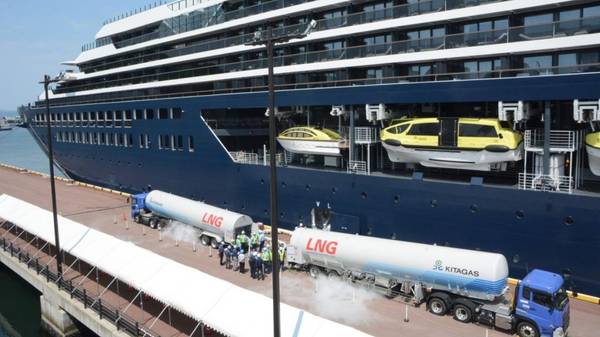
Luminara vessel truck-to-ship bunkering. MOL Techno-Trade completes first LNG bunkering for international cruise ship in Hokkaido  

Truck-to-ship LNG operation at Hakodate marks first such supply to an international cruise vessel in Hokkaido.

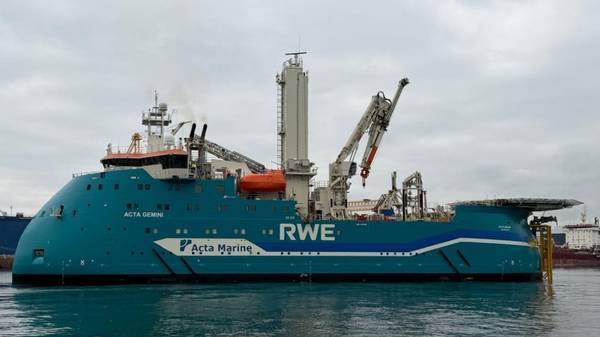
Acta Gemini vessel. Acta Marine takes delivery of methanol dual-fuel CSOV Acta Gemini for RWE wind farm charter  

The vessel will support operations at the Sofia Offshore Wind Farm at Dogger Bank.

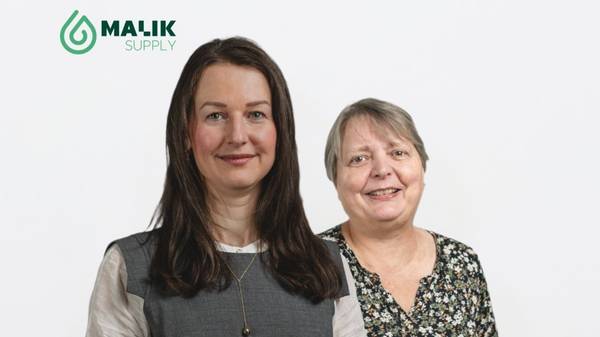
Yeva Wood and Kirsten Møller Jørgensen. Malik Supply expands Danish team with bunker trader and finance hire  

Danish bunker supplier Malik Supply adds two new staff across its Fredericia and Aalborg offices.

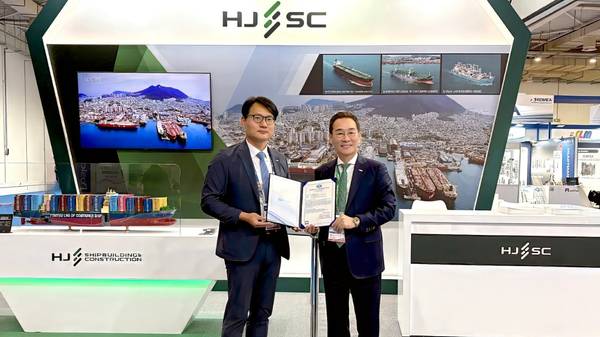
AiP award ceremony for a 10,000-teu biofuel-powered container ship. HJSC wins AiP for 10,000-teu biofuel-powered container ship design  

South Korean shipbuilder HJ Shipbuilding & Construction receives classification society approval for its biofuel vessel design at Posidonia.

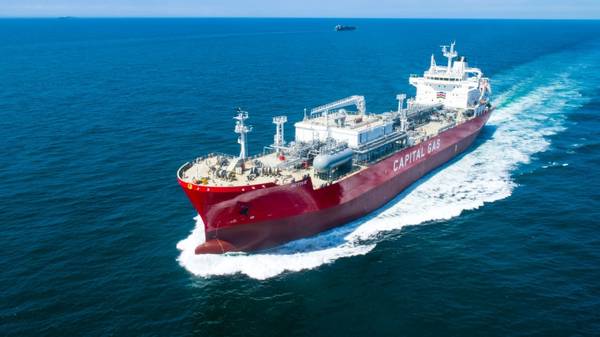
Active vessel. Capital Clean Energy Carriers takes delivery of LNG carrier and dual-fuel gas carrier, secures five new charters  

Athens-based CCEC expands its fleet and pushes contracted revenue backlog to $3.1bn.

VPS logo. Fuel quality management for vessels in extended idle: Arabian Gulf, Gulf of Oman and adjacent anchorages | Rahul Choudhuri, VPS  

Managing fuel quality deterioration following the closure of the Strait of Hormuz.

Person signing a document. Agastya Green Fuels signs 250,000 t/yr e-methanol offtake deal with Sri Lanka’s SAR Group  

Indian producer and Sri Lankan maritime firm agree long-term green methanol supply partnership.