
 |
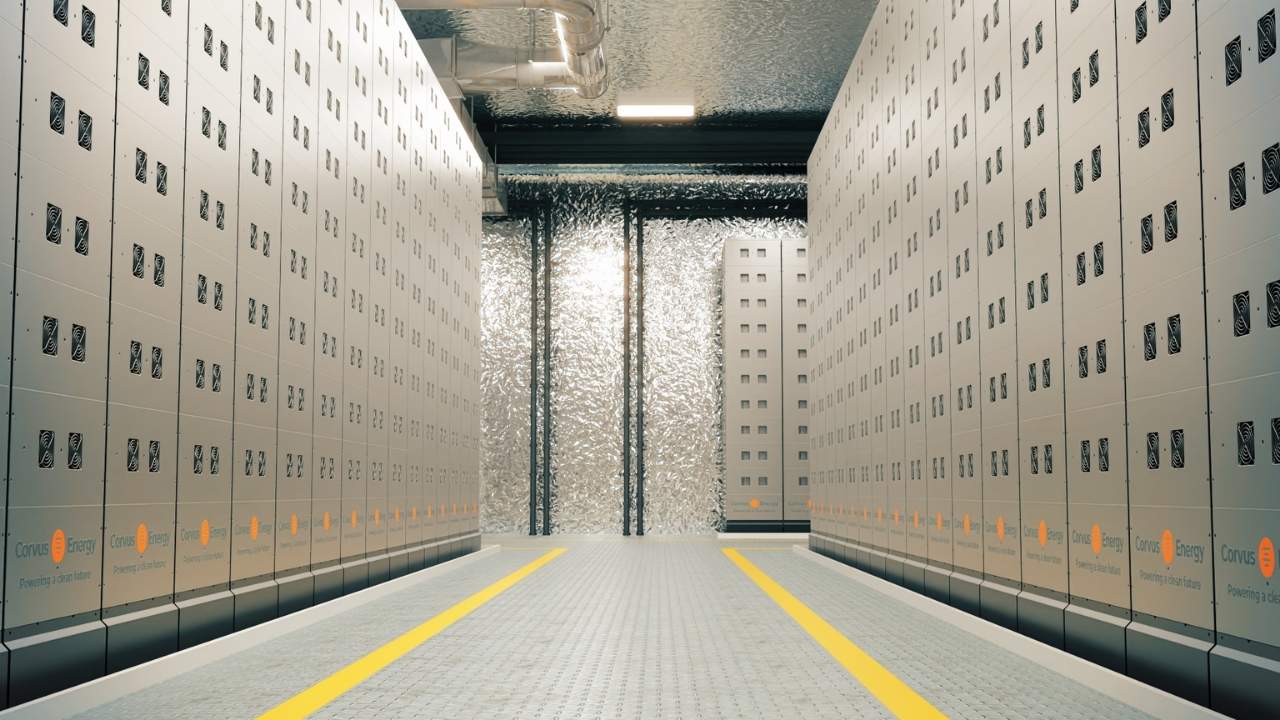
Corvus Energy, the Norway-headquartered company, has secured DNV type approval for its Blue Whale NxtGen Energy battery system, covering both air-cooled and liquid-cooled configurations.
The approval confirms that the system meets DNV’s requirements for safety, quality and performance, giving shipowners, shipyards and system integrators independent verification that it is ready for a range of maritime applications.
Blue Whale NxtGen Energy is built on what the company describes as a next-generation, rack-free and modular architecture, designed for vessel owners seeking energy capacity, operational flexibility and safety in large-scale battery installations. The system is said to be suited to large electric and hybrid ferries, ro-pax vessels, cruise ships and offshore vessels that require substantial energy storage and extended zero-emission operation.
The system uses lithium iron phosphate (LFP) chemistry combined with battery management, cybersecurity and lifecycle support, which is intended to deliver reliability and service life, according to Corvus Energy. The modular design is aimed at simplifying installation and improving space utilisation, allowing systems to scale from smaller hybrid applications to some of the world’s largest battery-powered vessels.
Thor Humerfelt, head of product innovation at Corvus Energy, commented: “Type approval for Blue Whale NxtGen Energy is an important milestone for Corvus Energy and for the maritime industry’s transition to low- and zero-emission operations. We see a clear trend towards larger battery installations, as the economics of electrification improve and vessels need longer electric range and more operational flexibility.”
He added: “With Blue Whale NxtGen Energy, we combine proven LFP technology, high safety and a competitive cost profile with significantly more energy capacity, so customers can deploy larger and more cost-effective battery systems with confidence. Having secured more than 100 MWh in confirmed orders already proves the trust in the design and quality of our products.”
Corvus Energy pointed to rising fuel costs and tightening emissions regulations as factors strengthening the business case for electrification, with owners increasingly specifying longer electric range and more fully electric operation. Its NxtGen platform’s rack-free, modular architecture is designed to allow flexible integration and make use of available space on board, while its scalable design is intended to support multi-MWh energy-storage systems and reduce system complexity.
Corvus Energy notes that it has delivered more than 1,400 projects worldwide, with more than half of the world’s vessels equipped with zero-emission technology powered by its systems.
|
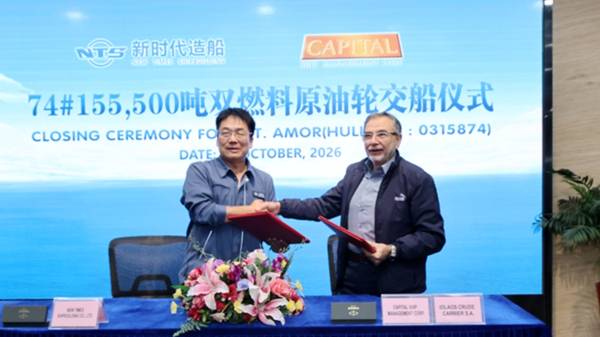
LNG dual-fuel crude tanker handed over to Capital
Jiangsu New Times Shipbuilding delivers the 155,500-DWT LNG dual-fuel crude oil vessel Amor. |
|
|
|
||

|
Gasum names Lowina Lundström as vice president, biogas
Former EIT InnoEnergy executive joins Gasum's management team to lead biogas business development from 1 December. |
|
|
|
||
|
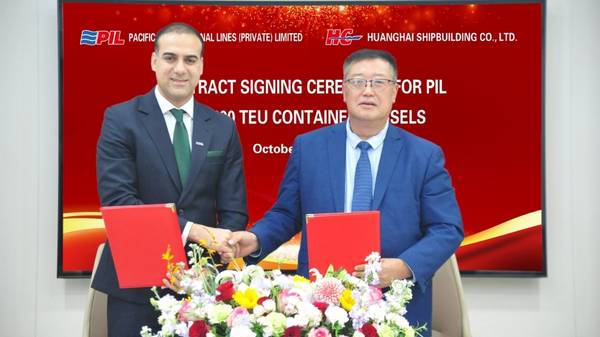
PIL orders seven methanol-ready feeder vessels from Huanghai Shipbuilding
Singapore carrier's 1,400-TEU newbuilds will boost intra-Asia capacity and support its 2050 net zero target. |
|
|
|
||
|
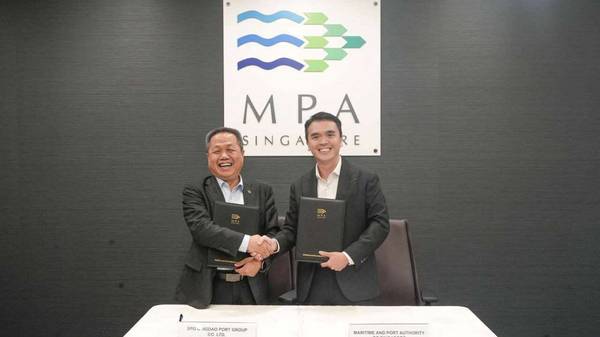
Singapore and Qingdao sign work plan to advance green and digital shipping corridors
MPA and Shandong Port Group’s Qingdao Port have agreed to pursue methanol bunkering pilots and data-sharing initiatives between the two ports. |
|
|
|
||
|
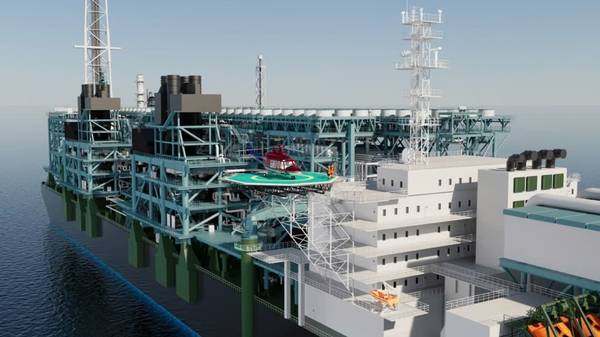
Wärtsilä to supply dual-fuel engines and thrusters for Delfin Midstream's FLNG vessel
Finnish technology group lands propulsion order for first floating LNG vessel built for US Gulf export project. |
|
|
|
||
|
Uni-Fuels advertises for senior bunker trader in Dubai
Nasdaq-listed firm recruiting for its trading team as it aims to drive growth. |
|
|
|
||
|
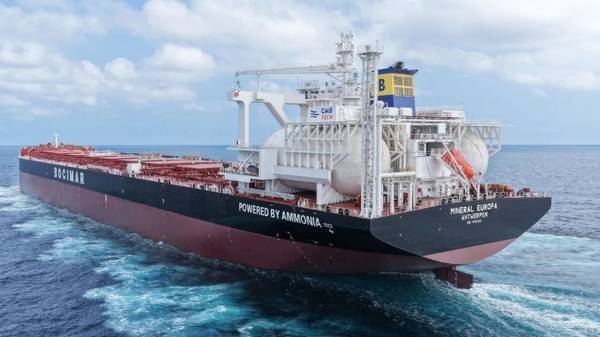
Green ammonia bunkered to ammonia-powered bulk carrier in Australian first
Pilbara Ports, Fortescue and CMB.Tech complete a ship-to-ship ammonia transfer at Port Hedland, supporting plans for a clean fuel bunkering hub in the region. |
|
|
|
||
|
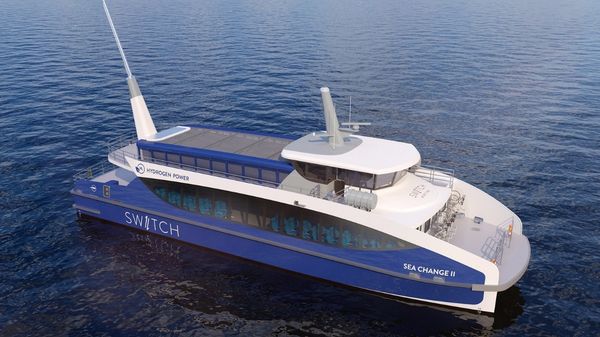
US Coast Guard agrees design framework for hydrogen-fuelled New York ferry
Switch Maritime and Incat Crowther reach regulatory agreement for a 150-passenger hydrogen fuel cell-electric fast ferry intended for New York's waterways. |
|
|
|
||
|
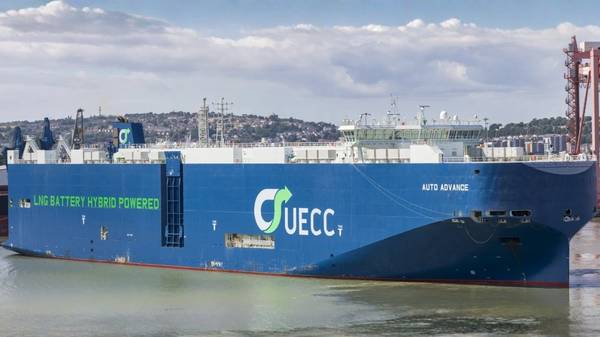
UECC fits WE Tech hybrid power systems on newbuild ro-ro vessels
Norwegian short-sea operator says battery and shaft generator technology from WE Tech Solutions has cut fuel use and auxiliary engine reliance on three newbuilds. |
|
|
|
||
|
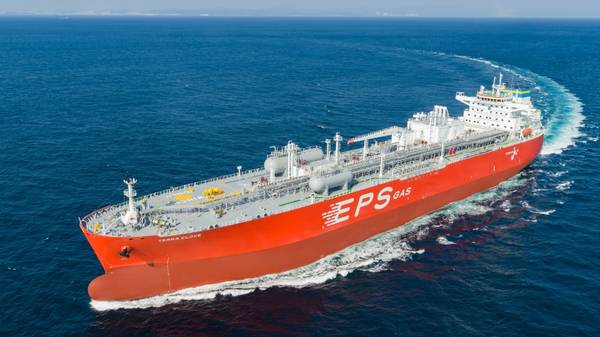
Envision's green ammonia used to bunker world's first VLAC
Chinese energy group supplies vessel owned by Eastern Pacific Shipping as it links production and marine fuel supply chains. |
|
|
|
||
| HD Hyundai gains type approval for low-pressure ammonia dual-fuel engine [News & Insights] |
| Battery-electric ferries grow in scale as aluminium multihulls gain market share [News & Insights] |
| MISC names first of three new LNG carriers for QatarEnergy charter deal [News & Insights] |
| Chinese shipbuilder ROC signs deal for up to eight methanol-ready CSOVs [News & Insights] |
| Skarv Shipping completes newbuilding programme with delivery of ammonia-ready Peak Skarv 4 [News & Insights] |
