
 |
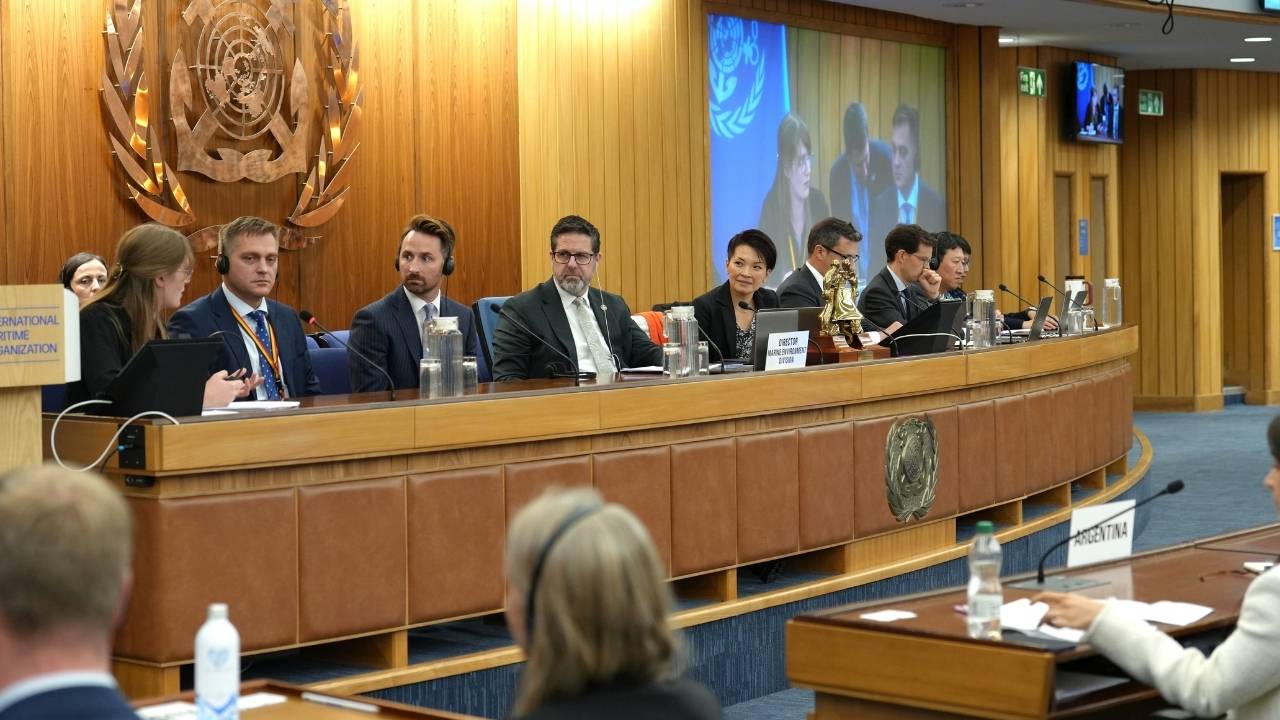
International experts gathered at the International Maritime Organization (IMO) headquarters in London on 17 September to discuss the use of ammonia as a marine fuel.
The technical seminar, organised by the IMO’s Future Fuels and Technology Project (FFT Project), attracted around 800 participants from IMO member states, non-governmental organisations, intergovernmental organisations, industry and academia, both in person and online.
Professor Lynn Loo, chief executive officer of the Global Centre for Maritime Decarbonisation, moderated the event, which brought together participants to exchange technical information and experiences on the potential use of ammonia as a marine fuel. Discussions covered developments in production, bunkering and infrastructure, as well as ammonia-fuelled engines, emissions control, safety and environmental considerations.
Opening the seminar, David Osborn, director of the IMO Marine Environment Division, noted that robust evidence should underpin any policy decisions on alternative fuels. He said: “Sound policy must nevertheless rest on sound evidence. The decisions this Organization takes on alternative fuels depend on a clear and shared understanding of what the technology can do today, where the difficulties lie, and what remains unresolved.”
The FFT Project is a partnership between the Government of the Republic of Korea and the IMO, aiming to support greenhouse-gas emissions reductions from international shipping by promoting the uptake of future fuels and technology.
The London seminar was the fifth technical event organised under the project. Previous editions covered onboard carbon capture and storage, shipping’s energy transition at Hong Kong Maritime Week, biofuels and methane-based fuels.
|
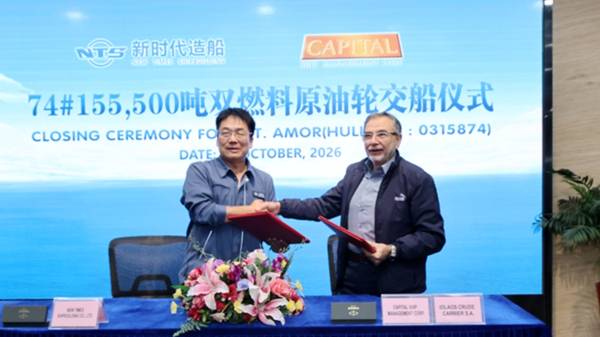
LNG dual-fuel crude tanker handed over to Capital
Jiangsu New Times Shipbuilding delivers the 155,500-DWT LNG dual-fuel crude oil vessel Amor. |
|
|
|
||

|
Gasum names Lowina Lundström as vice president, biogas
Former EIT InnoEnergy executive joins Gasum's management team to lead biogas business development from 1 December. |
|
|
|
||
|
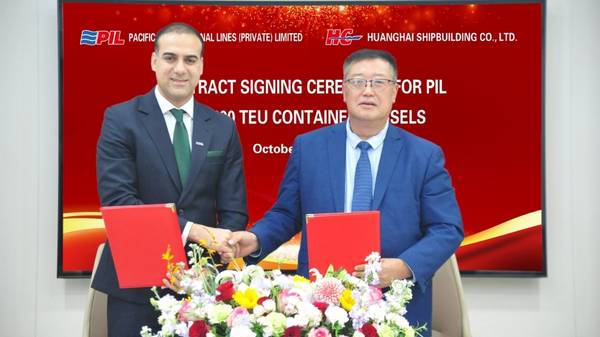
PIL orders seven methanol-ready feeder vessels from Huanghai Shipbuilding
Singapore carrier's 1,400-TEU newbuilds will boost intra-Asia capacity and support its 2050 net zero target. |
|
|
|
||
|
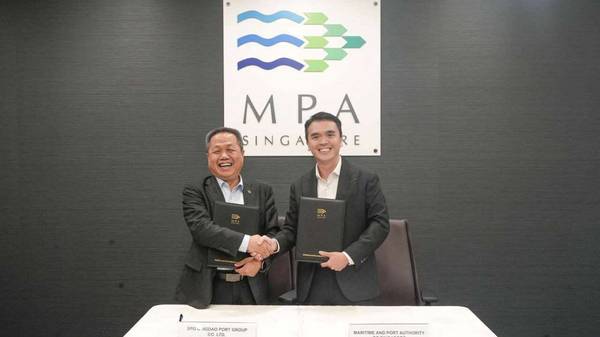
Singapore and Qingdao sign work plan to advance green and digital shipping corridors
MPA and Shandong Port Group’s Qingdao Port have agreed to pursue methanol bunkering pilots and data-sharing initiatives between the two ports. |
|
|
|
||
|
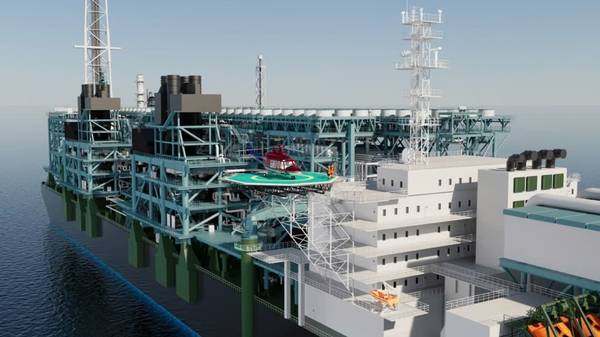
Wärtsilä to supply dual-fuel engines and thrusters for Delfin Midstream's FLNG vessel
Finnish technology group lands propulsion order for first floating LNG vessel built for US Gulf export project. |
|
|
|
||
|
Uni-Fuels advertises for senior bunker trader in Dubai
Nasdaq-listed firm recruiting for its trading team as it aims to drive growth. |
|
|
|
||
|
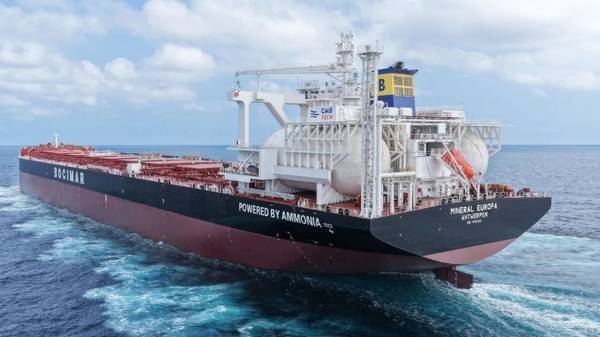
Green ammonia bunkered to ammonia-powered bulk carrier in Australian first
Pilbara Ports, Fortescue and CMB.Tech complete a ship-to-ship ammonia transfer at Port Hedland, supporting plans for a clean fuel bunkering hub in the region. |
|
|
|
||
|
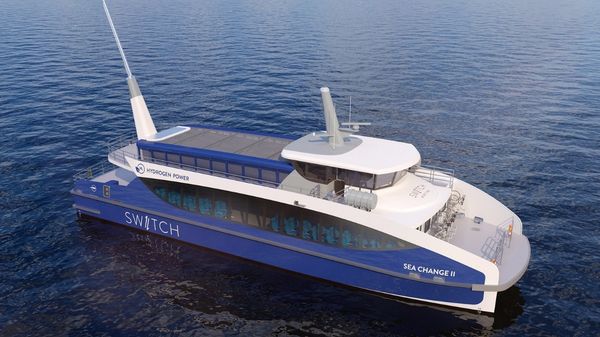
US Coast Guard agrees design framework for hydrogen-fuelled New York ferry
Switch Maritime and Incat Crowther reach regulatory agreement for a 150-passenger hydrogen fuel cell-electric fast ferry intended for New York's waterways. |
|
|
|
||
|
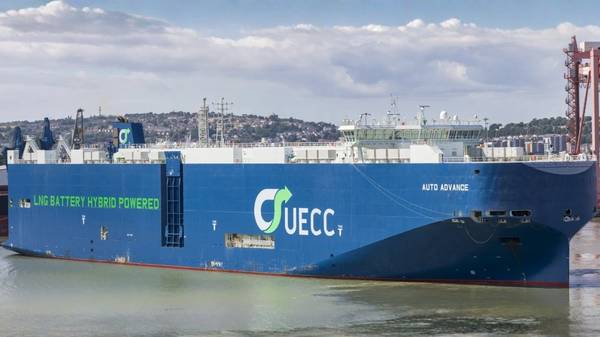
UECC fits WE Tech hybrid power systems on newbuild ro-ro vessels
Norwegian short-sea operator says battery and shaft generator technology from WE Tech Solutions has cut fuel use and auxiliary engine reliance on three newbuilds. |
|
|
|
||
|
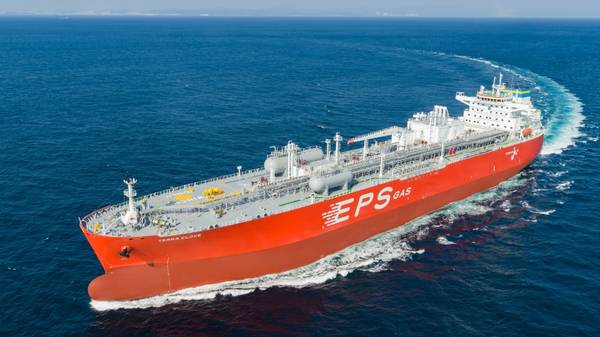
Envision's green ammonia used to bunker world's first VLAC
Chinese energy group supplies vessel owned by Eastern Pacific Shipping as it links production and marine fuel supply chains. |
|
|
|
||
| SEA-LNG and MAMII formalise technical partnership ahead of IMO methane talks [News & Insights] |
| EmissionLink urges EU to channel ETS revenues into shipping carbon capture trials [News & Insights] |
| Dual-fuel fleet passes 500 ships as investment tops $200bn [News & Insights] |
| VPS to host Athens seminar on fuel efficiency and carbon reduction [News & Insights] |
| WinGD CEO warns of mounting cost due to Net Zero Framework delay [News & Insights] |
