
 |
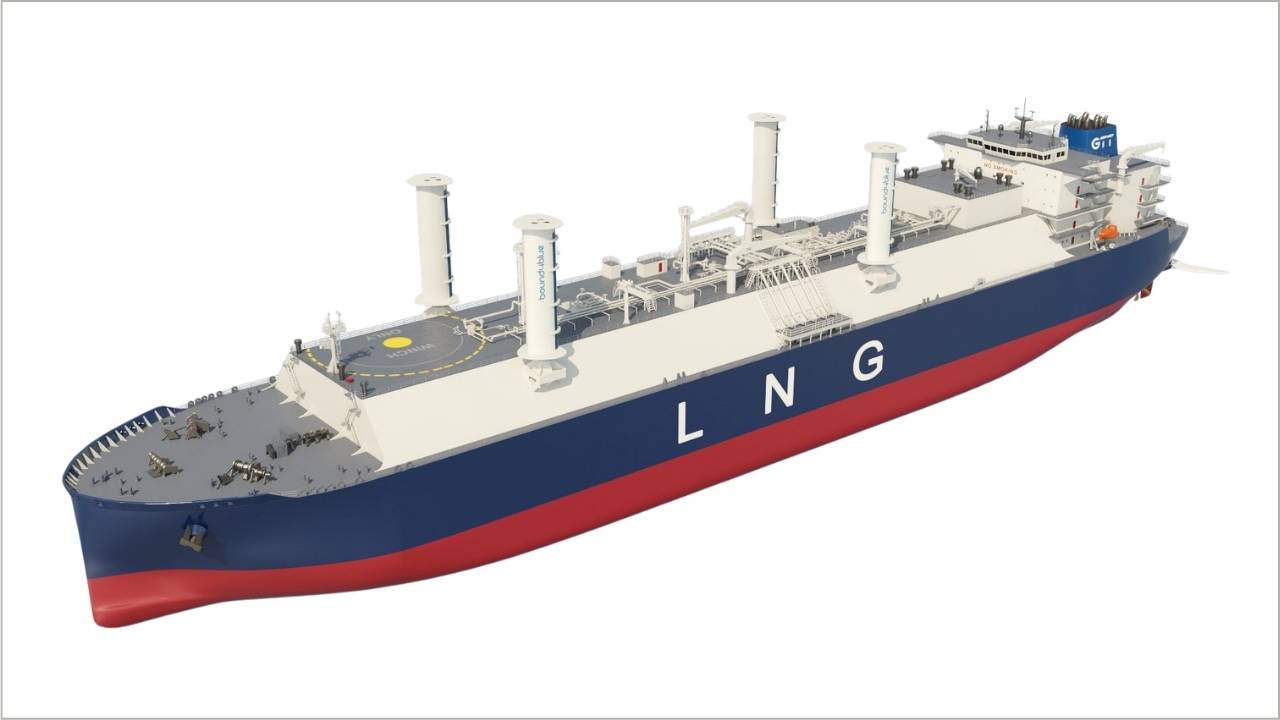
Bound4blue, a provider of suction sail technology for shipping, has published findings from an operational integration study conducted with Cryosafe Services, a consultancy specialising in LNG operations, examining how wind-assisted propulsion could be applied to LNG carriers.
The research, discussed in a blog post by bound4blue’s chief commercial officer, Daniel Mann, concludes that there are “no fundamental barriers” to integrating wind propulsion technology on board LNG carriers, although each vessel requires its own engineering assessment.
According to bound4blue, LNG carriers can typically achieve fuel savings of between two and six tonnes per day through wind assistance, depending on propulsion type, operating profile and route. The company also notes that vessels equipped with wind propulsion receive an additional wind reward factor under FuelEU Maritime regulations, creating opportunities to improve greenhouse gas intensity performance while reducing compliance costs.
The study examined several technical considerations specific to LNG carrier operations, including hazardous-area integration, air-draft constraints, cargo-handling interfaces, visibility and terminal compatibility.
On hazardous-area integration, the assessment determined that a non-ATEX version of bound4blue’s eSAIL system is technically feasible, but this can significantly limit installation locations and introduce challenges related to visibility, sail height and deck arrangement. For the purposes of the study, an ATEX-compliant version of the eSAIL was identified as providing greater flexibility in sail positioning and simplifying hazardous-area integration, despite entailing additional equipment costs.
Regarding air draft, Mann said the company views this as a vessel-specific design parameter rather than an automatic barrier, adding that each vessel’s routes, terminals and bridge clearances need to be assessed from the outset to determine the appropriate sail configuration, with tilting systems potentially offering additional adaptability where required.
On cargo handling, the analysis found no direct impact on normal loading or unloading operations, although it recommends that engineering teams consider interfaces with cranes, helicopter winching areas, gangways and mooring arrangements during integration planning.
The study also assessed visibility, radar coverage and manoeuvring implications, noting that new deck equipment can introduce blind sectors in some cases, which may require mitigation through additional radar coverage, CCTV systems or operational procedures.
On terminal compatibility, the research showed that increased windage from aerodynamic surfaces needs to be factored into mooring-load assessments, although no additional significant compatibility issues were identified for the vessel configurations and terminals assessed, where sufficient information was available.
Bound4blue said more than 50 eSAIL units have been contracted globally, with installations completed on 13 vessels across multiple shipping segments to date.
Mann said the study’s findings indicate that wind propulsion is suited to LNG carrier operations, given the segment’s high service speeds, long ocean passages and limited scope for slow steaming compared with other vessel types. He added that the technology is intended to complement, rather than replace, other efficiency measures such as performance coatings, propeller upgrades, weather routing, boil-off gas management and alternative fuels.
|
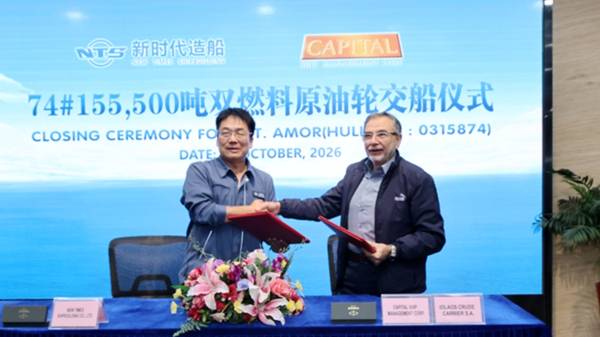
LNG dual-fuel crude tanker handed over to Capital
Jiangsu New Times Shipbuilding delivers the 155,500-DWT LNG dual-fuel crude oil vessel Amor. |
|
|
|
||

|
Gasum names Lowina Lundström as vice president, biogas
Former EIT InnoEnergy executive joins Gasum's management team to lead biogas business development from 1 December. |
|
|
|
||
|
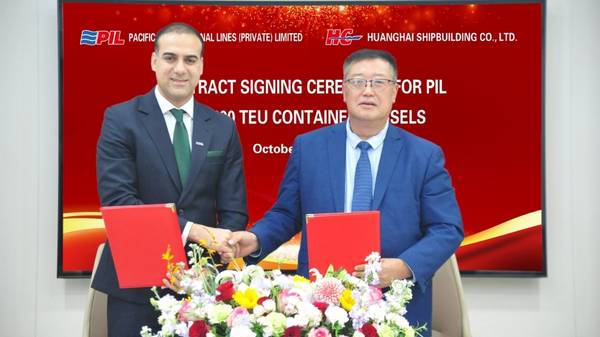
PIL orders seven methanol-ready feeder vessels from Huanghai Shipbuilding
Singapore carrier's 1,400-TEU newbuilds will boost intra-Asia capacity and support its 2050 net zero target. |
|
|
|
||
|
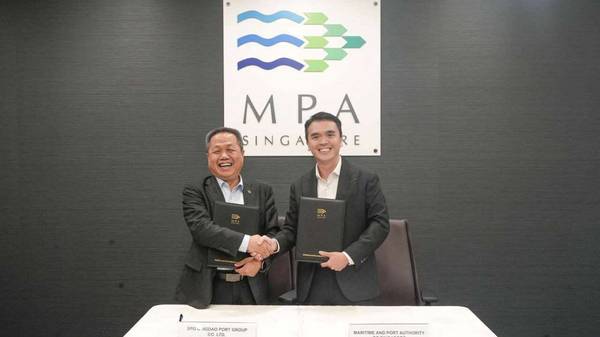
Singapore and Qingdao sign work plan to advance green and digital shipping corridors
MPA and Shandong Port Group’s Qingdao Port have agreed to pursue methanol bunkering pilots and data-sharing initiatives between the two ports. |
|
|
|
||
|
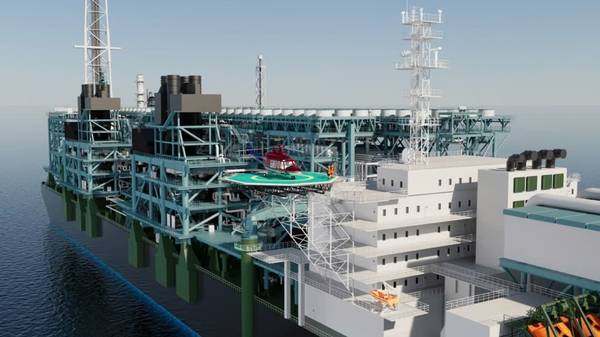
Wärtsilä to supply dual-fuel engines and thrusters for Delfin Midstream's FLNG vessel
Finnish technology group lands propulsion order for first floating LNG vessel built for US Gulf export project. |
|
|
|
||

|
Uni-Fuels advertises for senior bunker trader in Dubai
Nasdaq-listed firm recruiting for its trading team as it aims to drive growth. |
|
|
|
||
|
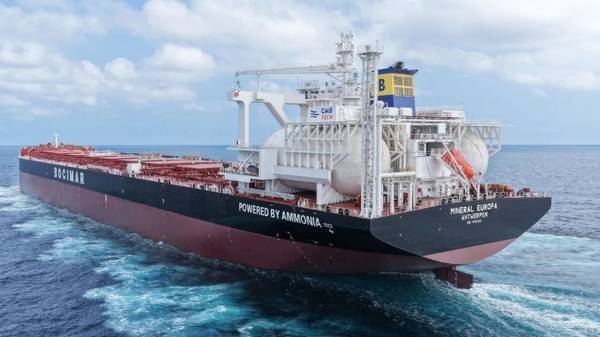
Green ammonia bunkered to ammonia-powered bulk carrier in Australian first
Pilbara Ports, Fortescue and CMB.Tech complete a ship-to-ship ammonia transfer at Port Hedland, supporting plans for a clean fuel bunkering hub in the region. |
|
|
|
||
|
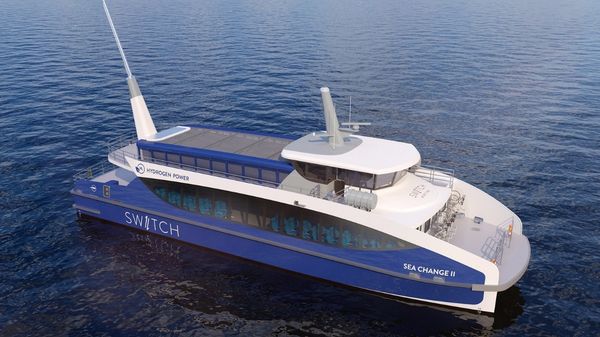
US Coast Guard agrees design framework for hydrogen-fuelled New York ferry
Switch Maritime and Incat Crowther reach regulatory agreement for a 150-passenger hydrogen fuel cell-electric fast ferry intended for New York's waterways. |
|
|
|
||
|
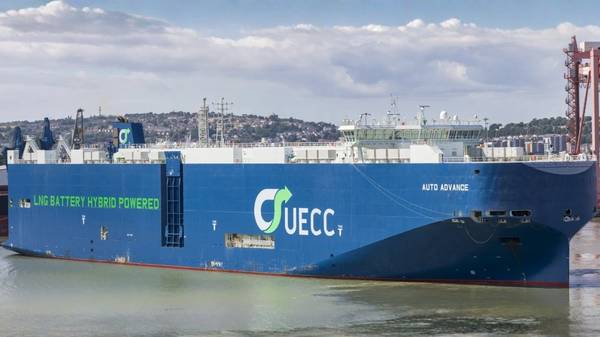
UECC fits WE Tech hybrid power systems on newbuild ro-ro vessels
Norwegian short-sea operator says battery and shaft generator technology from WE Tech Solutions has cut fuel use and auxiliary engine reliance on three newbuilds. |
|
|
|
||
|
Envision's green ammonia used to bunker world's first VLAC
Chinese energy group supplies vessel owned by Eastern Pacific Shipping as it links production and marine fuel supply chains. |
|
|
|
||
| Singapore and Qingdao sign work plan to advance green and digital shipping corridors [News & Insights] |
| Wärtsilä converts LNG carrier engines to cut methane slip for Chevron [News & Insights] |
| Alternative-fuel ship orders outpace port infrastructure, LR report finds [News & Insights] |
| Los Angeles and Long Beach identify LNG and methanol as key near-term marine fuels [News & Insights] |
| Study maps phased pathway for India to build a regional alternative marine fuel hub [News & Insights] |
