
 |
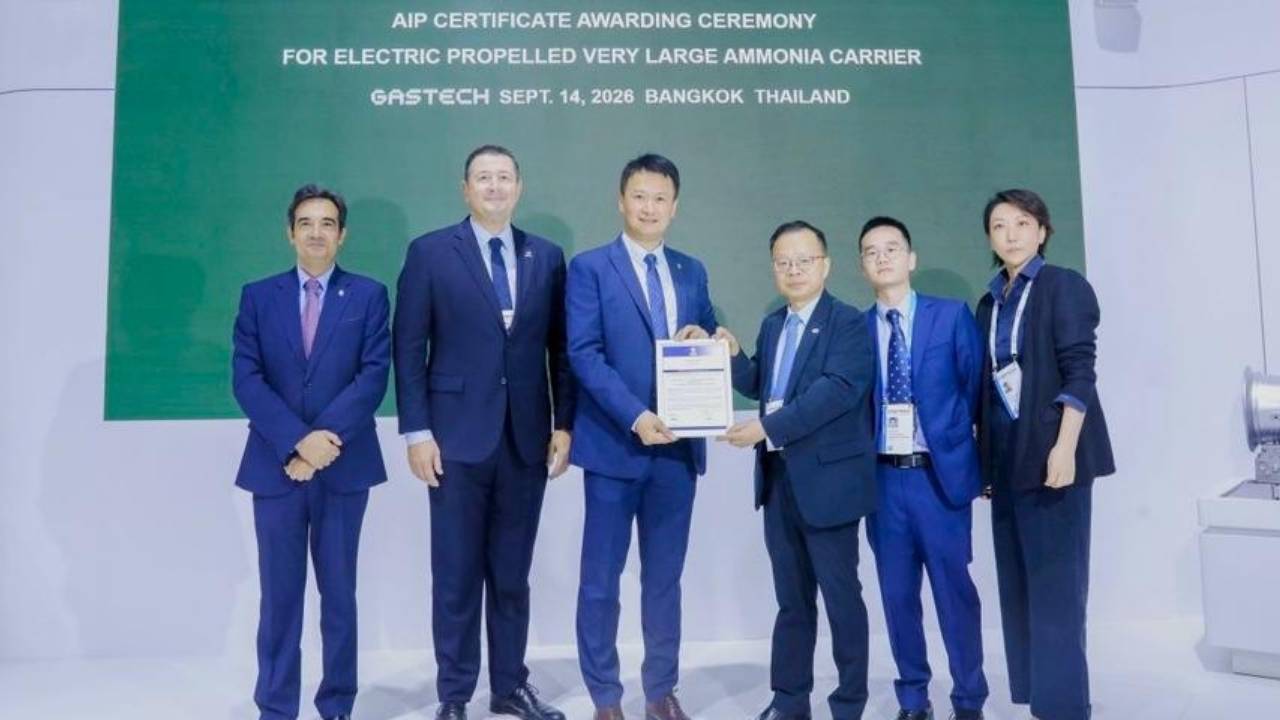
Bureau Veritas Marine & Offshore (BV) has awarded an approval in principle (AiP) to a very large ammonia carrier (VLAC) concept developed by Jiangnan Shipyard, a subsidiary of China State Shipbuilding Corporation (CSSC), recognising a vessel design that integrates multiple low-carbon propulsion technologies.
The certification was presented at Gastech 2026 in Bangkok, Thailand, and covers a vessel concept developed in-house by Jiangnan Shipyard. According to BV, the AiP confirms that the design concept is feasible and aligns with applicable safety, regulatory and classification requirements.
The VLAC concept is built around a medium-voltage DC hybrid electric propulsion system drawing on three power sources: ammonia-fuelled generators, an ammonia fuel cell system and containerised battery energy storage. The vessel also features a forward accommodation arrangement and four foldable soft sails intended to provide supplementary wind-assisted propulsion.
BV says the flexible architecture is designed to support operational efficiency and accommodate future developments in maritime energy technologies, including advanced battery systems, onboard photovoltaic power generation and next-generation fuel cell solutions.
Jeffrey Guo, Marine & Offshore Asia Pacific Senior Vice-President at Bureau Veritas, said: "The development of safe and efficient ammonia transportation solutions will be an important enabler of emerging low-carbon energy supply chains. We are pleased to grant Approval in Principle to Jiangnan Shipyard's innovative VLAC design, which brings together ammonia-fuelled power, fuel cells, battery energy storage and wind propulsion in a highly integrated vessel concept. This project demonstrates how multiple technologies can work together to advance decarbonisation while maintaining strong standards of safety, efficiency and future readiness."
|
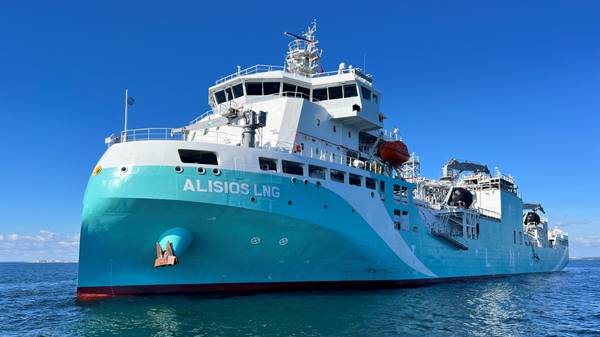
Axpo completes first LNG bunkering in Valencia, with over half bio-LNG
Ship-to-ship transfer to a container vessel makes Valencia the company's fourth Spanish port for LNG bunkering. |
|
|
|
||
|
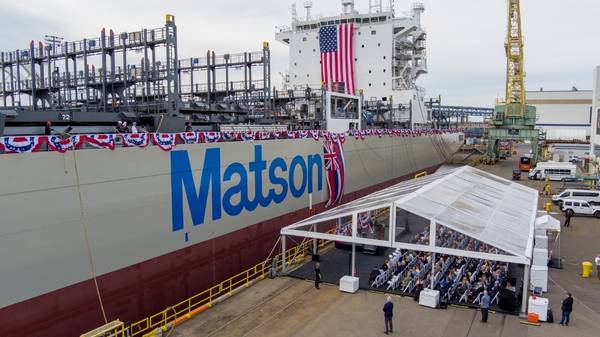
Matson christens Makua, first of three LNG-ready Aloha Class container ships
Dual-fuel vessel, due for delivery in early 2027, is the first of three ships worth around $1bn. |
|
|
|
||
|
CMB.Tech seeks Singapore-based ammonia operations manager for Asia Pacific
New hire will oversee ammonia chartering and bunkering and liaise with Far East partners. |
|
|
|
||
|
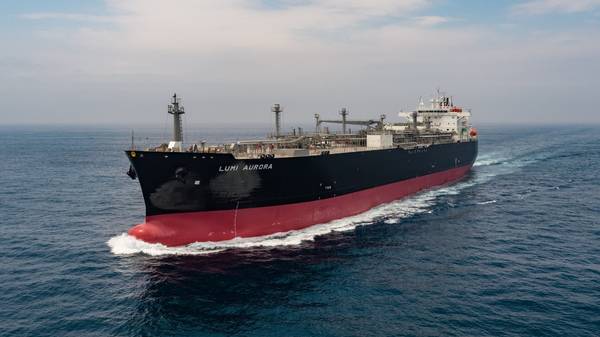
IINO Lines deploys first Ice Class IB VLGC on long-term charter to Borouge International
LPG-fuelled Lumi Aurora will carry North American gas to Borouge International's Porvoo plant in Finland. |
|
|
|
||
|
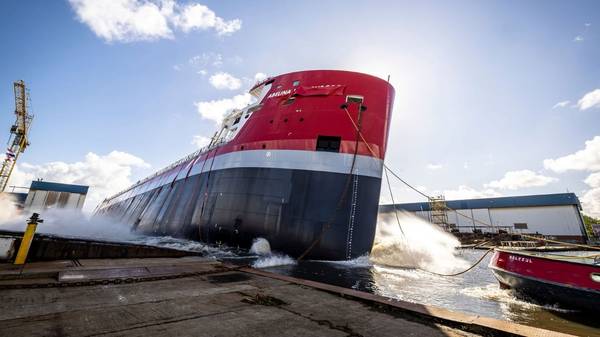
Wagenborg launches first EasyMax 2.0 vessel, prepared for methanol, ammonia and LNG
Abelina Wagenborg, built at Niestern Sander, is the first of a new generation designed for multiple alternative fuels. |
|
|
|
||
|
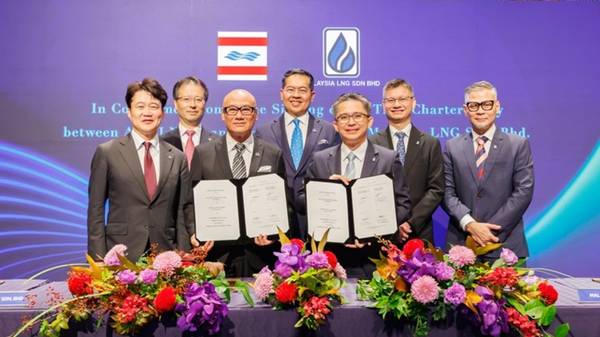
NYK–MISC joint venture signs charter for 18,700-cbm LNG carrier with Malaysia LNG
Asia LNG Transport will operate the dual-fuel diesel-electric newbuild, due from Hudong-Zhonghua in 2028, on routes to Japan. |
|
|
|
||

|
Study finds methanol dual-fuel retrofit of Kamsarmax bulk carrier would take about 75 days
Report by Mærsk Mc-Kinney Møller Center, involving Tsuneishi, puts conversion costs at 25–30% of the cost of a conventionally fuelled newbuilding. |
|
|
|
||
|
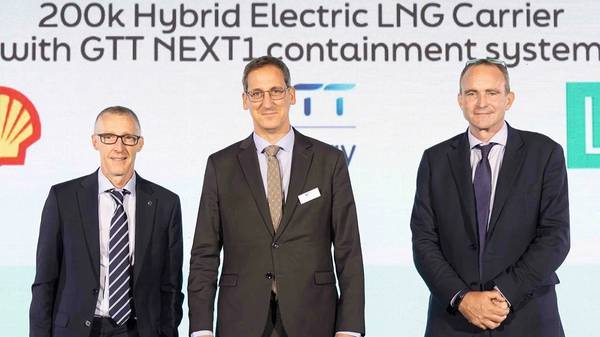
Lloyd's Register, Shell and GTT launch joint project on hybrid-electric 200,000-cbm LNG carrier
Partners to develop a concept combining hybrid-electric propulsion with GTT NEXT1 cargo containment technology for larger LNG carriers. |
|
|
|
||
|
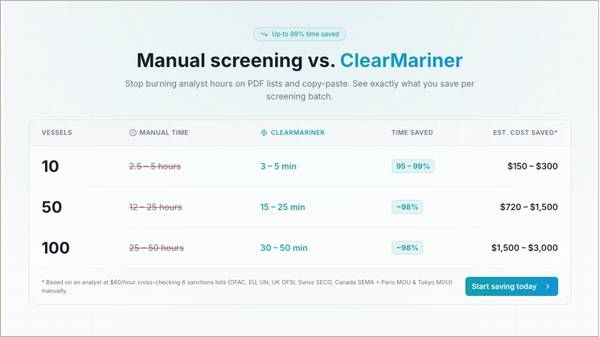
ClearMariner expands maritime sanctions screening with ESG, emissions and API support
Online service now combines sanctions checks with voyage CO₂, CII, EU ETS and FuelEU Maritime estimates. |
|
|
|
||

|
Flex Commodities adds Long Jing Xin to Singapore marine fuels team
Company appoints associate for marine fuels as part of plan for regional expansion. |
|
|
|
||
| Lloyd's Register, Shell and GTT launch joint project on hybrid-electric 200,000-cbm LNG carrier [News & Insights] |
| Yangzijiang Xinfu delivers first 175,000-cbm LNG carrier built by Chinese private shipyard [News & Insights] |
| IBIA to host ethanol marine fuel workshop in New York [News & Insights] |
| Wind-assisted propulsion 'no longer just a concept', ICS panel says [News & Insights] |
| PaxOcean signs design contract with Ulstein for methanol-ready offshore wind vessel [News & Insights] |
