
 |
Shipowners and operators who wait until September to secure and transfer EU allowances (EUAs) are creating unnecessary financial, commercial and compliance risk, according to EmissionLink, as the EU emissions trading system (EU ETS) enters its next phase.
The warning comes as the EU ETS phase-in accelerates. The scheme covered 40% of shipping's verified emissions for 2024, rising to 70% for 2025 and 100% for 2026. Following the first FuelEU Maritime compliance cycle, operators must also surrender EUAs covering their verified emissions before the end of September.
Philippos Ioulianou, Managing Director of EmissionLink, said: "The problem is not the September deadline itself, but the industry's habit of waiting until the last possible moment. This can push critical funding and compliance decisions to the brink and leave owners, managers and compliance providers carrying significant exposure."
According to EmissionLink, current practices between owners, charterers, managers and intermediaries can leave significant exposure unresolved until shortly before the surrender deadline. Many charter parties, including those incorporating BIMCO emissions trading provisions, allow charterers to transfer EUAs relatively close to the surrender date. While commercially flexible, EmissionLink says this arrangement can leave the party responsible for compliance exposed if allowances arrive late or are not transferred at all.
Mr Ioulianou stated: "Owners may be reluctant to buy allowances because the charterer is contractually liable, while charterers may delay because the contract permits them to. In the meantime, the company responsible for compliance remains accountable to the regulator, so that mismatch creates avoidable market risk."
EmissionLink is calling for charter-party arrangements to move away from a last-day approach to EUA transfers, recommending earlier milestones and clearer remedies for late delivery and associated costs. The company also recommends that verified emissions reports be treated as an early financial risk indicator rather than simply part of an annual administrative process.
Once verified emissions are known, owners and operators should, according to EmissionLink, quantify their EUA exposure, agree the allocation with charterers and establish clear transfer dates well ahead of September. Owners should also identify and purchase any known residual exposure at an early stage — including allowances arising from off-hire periods, operational adjustments or disputes — even where the owner's eventual share represents only a small proportion of a vessel's total liability.
Delaying such purchases, the company warns, can expose companies not only to counterparty risk but also to movements in EUA prices.
Mr Ioulianou added: "EUAs now need to be treated as a core part of voyage economics, counterparty management and liquidity planning, not as a September administrative task. As exposure reaches 70% and then 100%, earlier allocation, earlier transfers and proactive purchasing will become essential to credible carbon compliance."
EmissionLink says that by centralising emissions exposure, allowance allocation and transfer tracking, operators can gain earlier visibility of potential shortfalls and reduce the risk of a last-minute compliance scramble.

|
WinGD signs global service agreement for TMS Cardiff Gas LNG carrier newbuilds
WinGD will support six dual-fuel engines on three new LNG carriers for the Athens-based operator throughout their operational lives. |
|
|
|
||
|
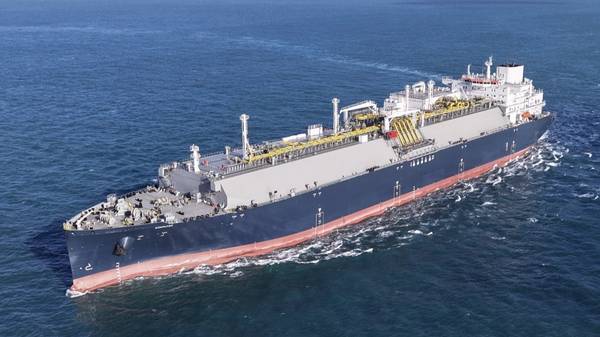
Yangzijiang Xinfu delivers first 175,000-cbm LNG carrier built by Chinese private shipyard
Vessel features two dual-fuel MAN B&W 5G70ME-C10.5-GA-EGR engines fitted with cryogenic units. |
|
|
|
||
|
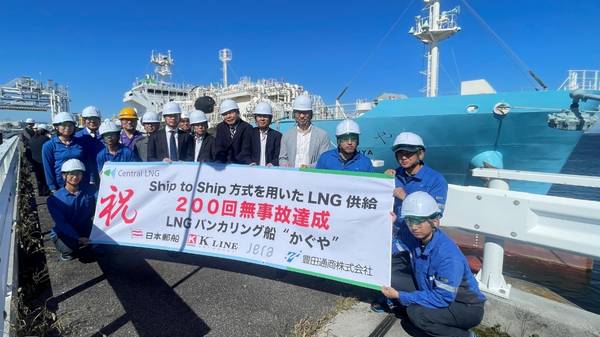
LNG bunkering vessel Kaguya completes 200th ship-to-ship operation in Japan
K Line’s joint venture vessel reaches milestone in Mikawa Bay. |
|
|
|
||
|
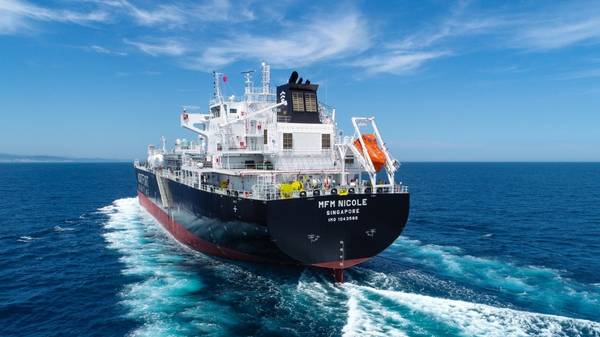
Synergy Marine adds dual-fuel LPG carrier to managed fleet
MFM Nicole joins Synergy’s gas carrier portfolio as owners weigh fuel choices ahead of MEPC 85 negotiations. |
|
|
|
||
|
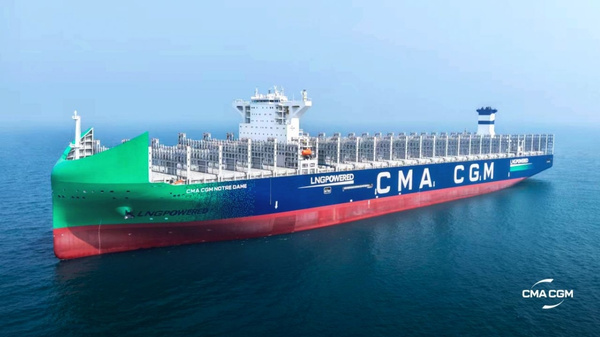
DSV to use CMA CGM’s ACT+ solution to slash shipping emissions
Danish firm targets 12,000-tonne reduction in CO₂ emissions over two years through the use of UCOME-based biofuels. |
|
|
|
||

|
Peninsula welcomes 2026 graduate cohort across global bunkering network
Bunker firm brings new graduates into roles spanning Houston, Singapore, Gibraltar, Monaco and Las Palmas. |
|
|
|
||

|
Malik Supply appoints Mathias Krogsgård as bunker trader
Danish bunker firm adds trader with export and technology background to growing team. |
|
|
|
||

|
Biofuel adoption in shipping shifts from debate to delivery, says Peninsula's Jeroen de Vos
Marine biofuels have moved from pilot projects to routine fuel strategy, argues IBIA vice-chair. |
|
|
|
||
|
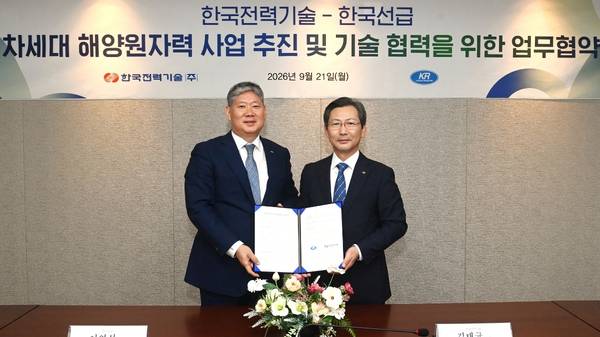
KEPCO E&C and Korean Register of Shipping to collaborate on marine SMR development
Korean firms to develop technical standards and certification pathways for the BANDI offshore small modular reactor. |
|
|
|
||
|
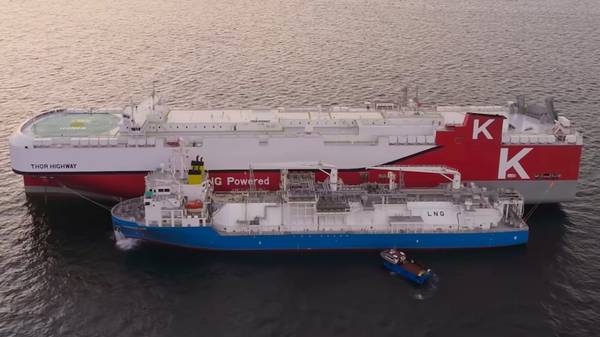
Peninsula completes first LNG bunkering operation at Sagunto
Levante LNG bunkering vessel supplies K Line car carrier in landmark delivery. |
|
|
|
||
| Lloyd's Register confirms suitability of Daphne Technology's emissions monitoring system [News & Insights] |
| Wind propulsion offers 'no fundamental barriers' for LNG carriers, study finds [News & Insights] |
| SEA-LNG urges EU to protect mass-balance pathway for liquefied biomethane [News & Insights] |
| SEA-LNG urges EU to protect mass-balance pathway for liquefied biomethane [News & Insights] |
| Orlen and Port of Gdynia partner to explore LNG and bio-LNG bunkering options [News & Insights] |
