
 |
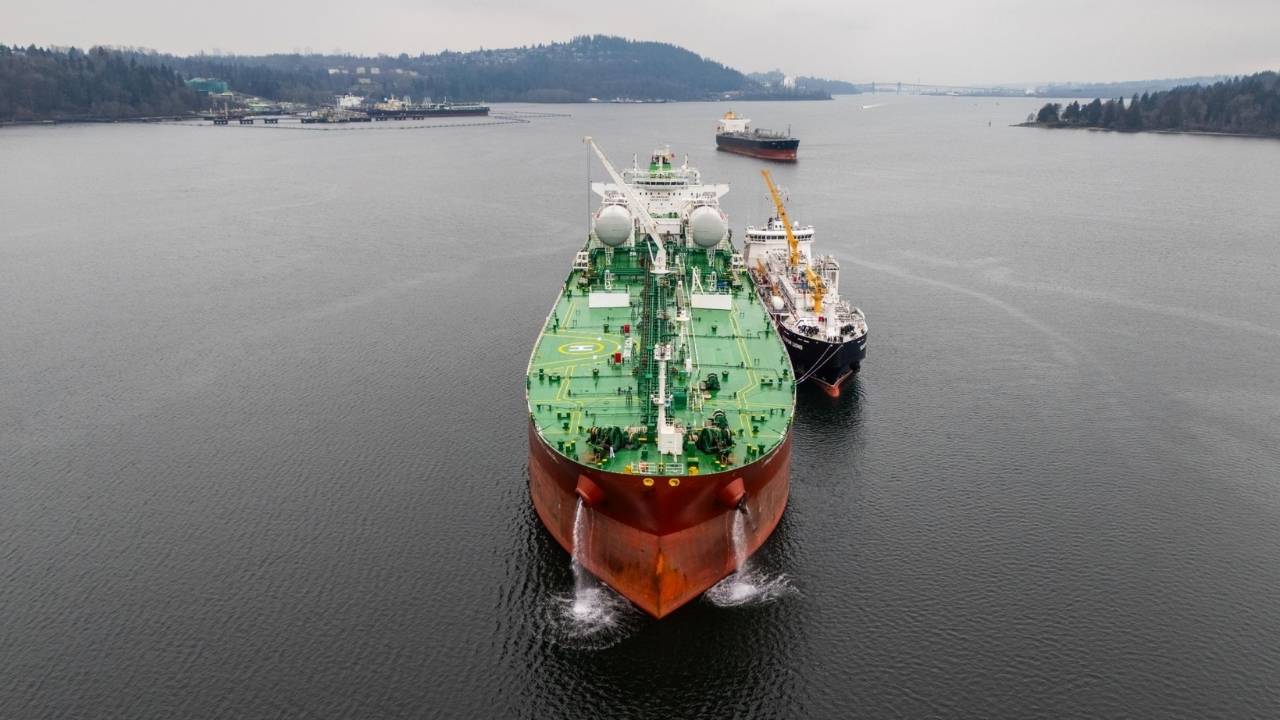
The global LNG bunker vessel fleet may need to more than double by 2030 as demand from LNG-fuelled ships grows faster than the infrastructure required to supply them, according to a new white paper published by DNV.
The report, titled 'Gas bunker vessels: facilitating the transition to alternative fuels', estimates that between 165 and 208 bunker vessels could be needed globally by the end of this decade. The findings point to a widening gap between the pace of LNG-fuelled ship orders and the expansion of the bunkering network designed to service them.
While the LNG bunker fleet is expanding, DNV warns that demand from LNG-fuelled vessels is expected to grow at a faster rate, placing mounting pressure on bunker vessels and the wider bunkering ecosystem. Without additional investment across the value chain, the organisation says fuel supply could become a constraint on further LNG adoption in shipping.
Cristina Saenz de Santa Maria, CEO of DNV Maritime, explained: “Shipping’s fuel transition depends on more than ships and fuel choices. It also depends on the infrastructure, supply chains, and operational capabilities needed to make alternative fuels available safely and at scale. As the fuel landscape continues to evolve, investment in flexible, reliable, and future-ready bunkering infrastructure will be essential.”
The white paper covers market developments, regulatory requirements, vessel design considerations, technical specialities of gas bunker vessels, and operational best practices. It also examines the role that gas bunker vessels are expected to play in supporting both current LNG demand and the future adoption of alternative fuels.
Among the opportunities identified in the report is the conversion of suitable small-scale LNG carriers into bunker vessels, which DNV says could help accelerate market development. The paper also addresses the growing importance of operational readiness, structured safety management, and competence development as bunkering operations become more frequent and geographically dispersed.
Martin Cartwright, Global Business Director for Gas Carriers & FSRUs at DNV Maritime, commented: “LNG-fuelled shipping is growing faster than the bunkering network needed to support it. Closing this gap will require coordinated investment across the bunkering ecosystem, underpinned by robust safety standards, operational readiness and competence. These elements must advance together if gas bunkering is to scale safely and reliably, while also supporting future pathways, such as biomethane.”
While the white paper’s primary focus is LNG, it also considers the emergence of ammonia as a potential marine fuel., with DNV noting that the infrastructure, operational experience, and safety frameworks being developed for LNG bunkering are expected to inform the future deployment of ammonia bunkering solutions.
|
IBIA to host ethanol marine fuel workshop in New York
Limited-capacity session will examine ethanol’s commercial, technical and regulatory prospects as a shipping fuel. |
|
|
|
||

|
Corvus Energy’s Blue Whale NxtGen battery system gains DNV type approval
DNV approval confirms the safety and performance of Corvus Energy’s large-scale battery system for ferries, cruise ships and offshore vessels. |
|
|
|
||

|
PMG Energies appoints Jessie Ng as bunker trader in Singapore
Bunker firm adds experienced trader to Singapore team. |
|
|
|
||
|
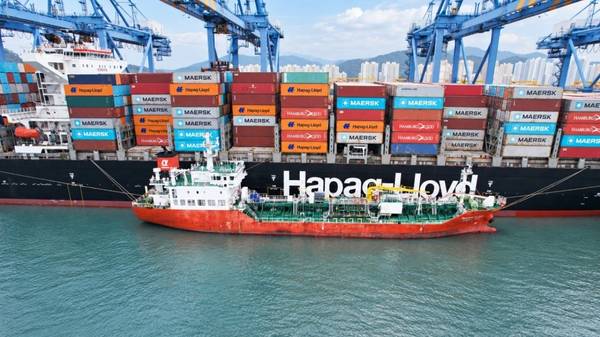
Hapag-Lloyd completes simultaneous-operations biomethanol bunkering in Busan
Container line bunkers ISCC EU-certified biomethanol from Goldwind during SIMOPS, advancing its 2024 supply agreement. |
|
|
|
||
|
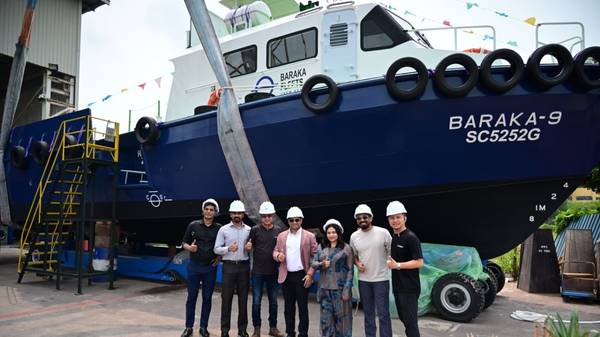
Pinnacle Marine launches B100-compatible harbour craft Baraka-9 for Trans Wave
Singapore shipbuilder adds another biodiesel-ready vessel to a fleet renewal programme aimed at harbour craft decarbonisation. |
|
|
|
||

|
Glander International Bunkering creates European commercial director role, appoints Rune Kongstein
Marine fuels firm is aligning its European operations under a single commercial leadership structure. |
|
|
|
||

|
VPS to run marine fuel management course in the Netherlands this November
Two-day training programme covers fuel quality, handling and decarbonisation regulations. |
|
|
|
||
|
Wind-assisted propulsion 'no longer just a concept', ICS panel says
Shipowners weigh wind power as a practical, low-risk route towards decarbonisation targets. |
|
|
|
||
|
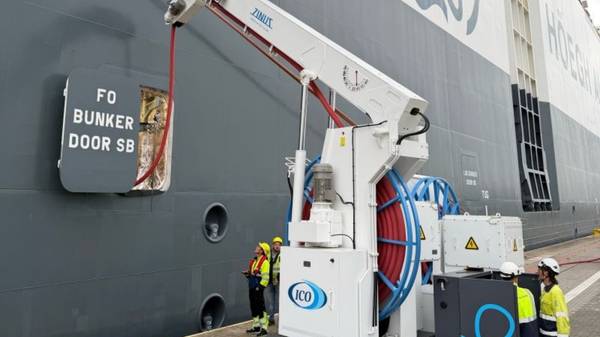
Höegh Autoliners vessel connects to shore power for the first time in Europe
Höegh Starlight used 11 kV shore power in Zeebrugge, allowing it to switch off its auxiliary engines while alongside. |
|
|
|
||
|
Chinese shipbuilder ROC signs deal for up to eight methanol-ready CSOVs
Contract signed with European shipowner for vessels designed for offshore wind farm maintenance work. |
|
|
|
||
| Corvus Energy’s Blue Whale NxtGen battery system gains DNV type approval [News & Insights] |
| Chinese shipbuilder ROC signs deal for up to eight methanol-ready CSOVs [News & Insights] |
| Titan Clean Fuels completes 15-year survey on LNG bunkering vessel Titan Unikum [News & Insights] |
| Nuclear-powered LNG carriers cost more upfront but cut lifetime fuel bills, ABS-backed study finds [News & Insights] |
| Electric and hybrid ferries could cut Sea of Marmara emissions by 63%, IMO study finds [News & Insights] |
