
 |
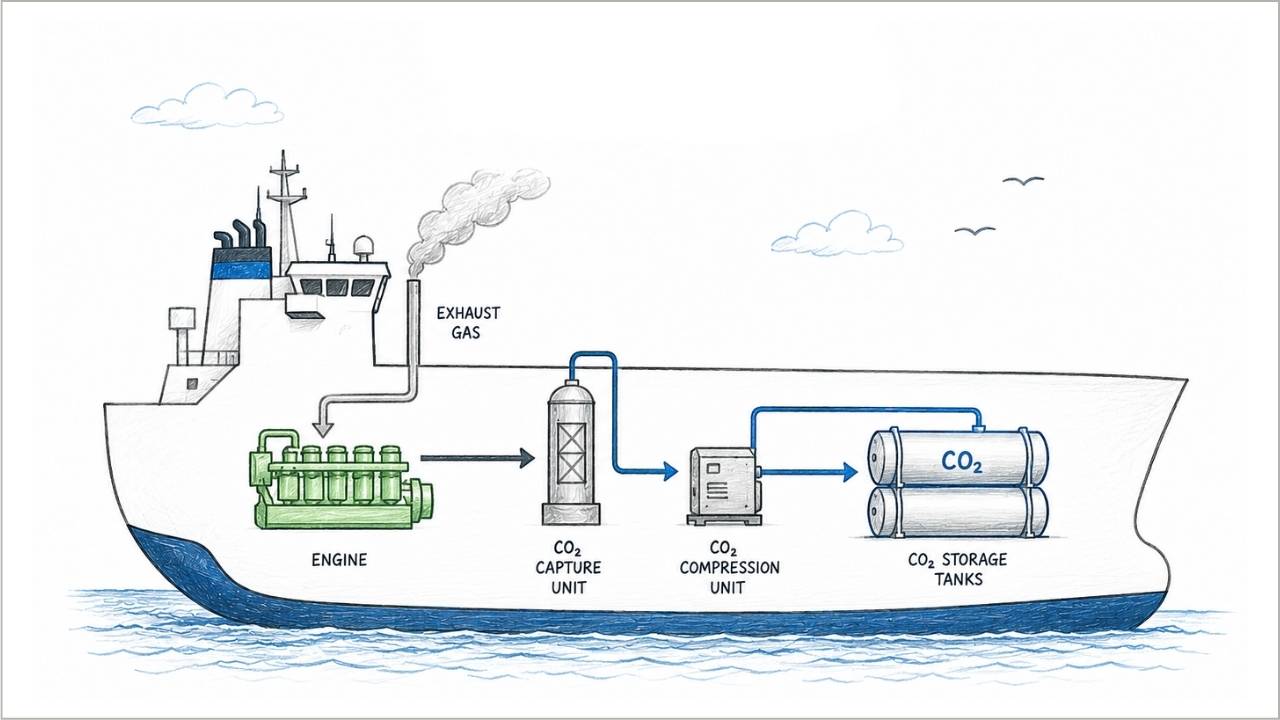
Onboard carbon capture and storage (oCCS) systems could play a role in helping the shipping industry reduce CO₂ emissions while alternative fuel supply chains continue to develop, according to a new report from Lloyd’s Register (LR).
The report, Applying Onboard Carbon Capture & Storage to Existing Ships, forms part of LR’s Retrofit Research Programme and was launched at SMM in Hamburg. It identifies oCCS as a viable emissions-reduction tool for a specific segment of the global fleet, though it cautions that the technology is not a universal solution and that offloading infrastructure and regulatory clarity will be decisive factors in determining how widely it is adopted.
The report arrives against a challenging backdrop for shipping decarbonisation. According to LR, only around 4% of the near-zero greenhouse gas-emission fuel production capacity needed by 2030 has reached final investment decision. Alternative fuel-capable vessel orders have also declined, falling from 45% of contracted tonnage in 2024 to 37% in 2025. Against this backdrop, LR argues that much of the fleet currently on order or in service will continue to rely on conventional petroleum fuels well into the 2030s.
For those vessels, the report contends that oCCS offers an additional route to reducing CO₂ emissions alongside alternative fuels and energy efficiency technologies.
LR’s analysis finds that certain oCCS technologies have moved beyond the concept stage and are entering commercial deployment. Current full-scale installations are capturing 30–40% of CO₂ emissions, while larger pilots are targeting capture rates of around 70%.
The report identifies oCCS as a viable retrofit option for vessels meeting specific criteria: those with more than ten years of trading life remaining, considerable exposure to carbon pricing, access to a credible CO₂ offloading chain and sufficient onboard space for capture equipment without unacceptable commercial penalties.
Three market segments are identified as near-term candidates for oCCS deployment: medium-range (MR) and chemical tankers trading on routes covered by the European Union Emissions Trading System (EU ETS); LNG-fuelled vessels able to use the cryogenic energy released during LNG vaporisation to cool and liquefy captured CO₂; and short-sea or feeder vessels with frequent access to EU ports and carbon pricing exposure.
Panos Mitrou, Senior Vice President of Shipping Strategy at Lloyd’s Register, stated: “The reality is that much of the fleet on order or in service today will still be operating well into the 2030s and beyond. While alternative fuels remain central to shipping’s long-term decarbonisation strategy, shipowners also need practical options for reducing CO₂ emissions from existing vessels.”
He added: “Onboard carbon capture has the potential to become an important part of shipping’s decarbonisation toolkit. For the right vessel types and trades, it offers a realistic pathway to reducing CO₂ emissions and managing carbon costs while fuel supply chains, infrastructure and regulations continue to evolve.”
The report also highlights constraints associated with current oCCS systems. These can impose fuel consumption penalties of between 15% and 30% in many current applications and may require considerable onboard space for capture equipment and CO₂ storage. LR stresses that retrofit decisions must be assessed on a vessel-by-vessel basis, accounting for trading patterns, remaining asset life, carbon pricing exposure and access to CO₂ offloading infrastructure.
According to LR, the main barrier to wider deployment remains the limited availability of ports and terminal infrastructure capable of receiving captured CO₂. While carbon storage projects are progressing in north-west Europe, including North Sea storage networks, the report identifies port reception facilities as the weakest link in the emerging carbon value chain.
Regulatory uncertainty is also cited as a factor affecting uptake. While the EU ETS allows captured and permanently stored CO₂ to reduce compliance obligations, other frameworks — including FuelEU Maritime and future IMO regulations — are described as still evolving.
Looking ahead, the report argues that broader deployment will depend on three developments progressing in parallel: the outcome of FuelEU Maritime’s Article 30 review, IMO recognition of captured CO₂ within a global pricing framework, and an expansion of CO₂ offloading infrastructure.

|
World Fuel seeks marine fuel sales executive in Singapore
Role requires more than five years' experience in bunkering, trading, energy or commodities. |
|
|
|
||
|
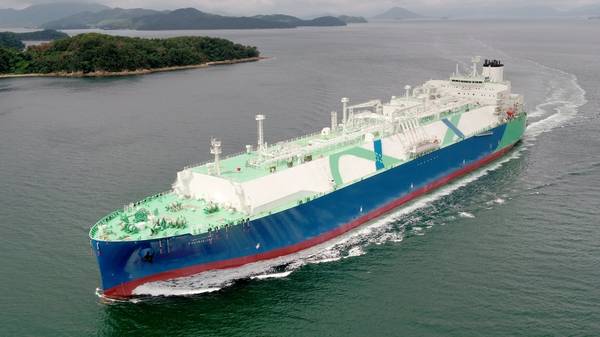
MISC names first of three new LNG carriers for QatarEnergy charter deal
Th'ailib, chartered to QatarEnergy for 15 years, extends MISC's long-term LNG fleet partnership with the energy producer. |
|
|
|
||
|
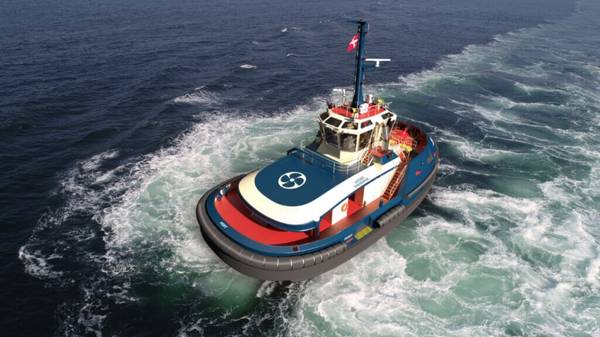
AYK Energy to supply batteries for Kongsberg Maritime’s electric Svitzer tugs
Battery maker AYK Energy expands its workboat portfolio with a deal to power four fully electric Svitzer TRAnsverse tugs. |
|
|
|
||
|
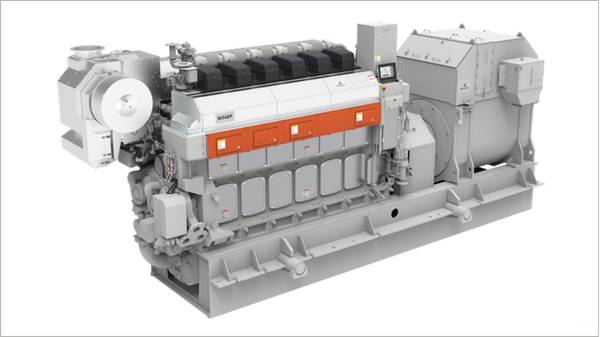
Wärtsilä to supply dual-fuel engines for 12 CMA CGM container ships
Wärtsilä will deliver 36 LNG dual-fuel engines for a dozen new 18,000-TEU container vessels being built for CMA CGM. |
|
|
|
||
|
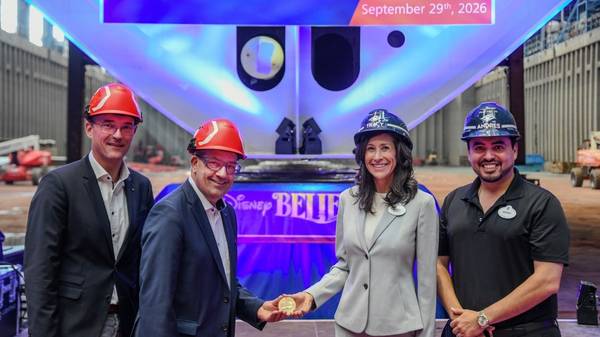
Keel-laying ceremony held for LNG-powered Disney Believe at Meyer Werft
Construction starts on second gigablock of Disney Believe, the fourth vessel in Disney Cruise Line’s Wish class. |
|
|
|
||
|
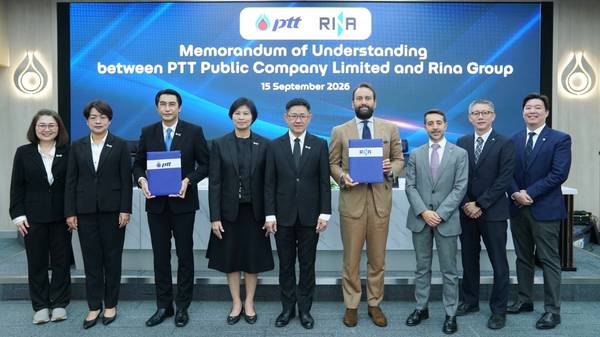
RINA and Thailand’s PTT sign MoUs to collaborate on decarbonisation technologies
Agreements establish a research and knowledge-sharing framework covering alternative fuels, hydrogen readiness and vessel electrification across the energy and maritime sectors. |
|
|
|
||
|
IBIA to host ethanol marine fuel workshop in New York
Limited-capacity session will examine ethanol’s commercial, technical and regulatory prospects as a shipping fuel. |
|
|
|
||

|
Corvus Energy’s Blue Whale NxtGen battery system gains DNV type approval
DNV approval confirms the safety and performance of Corvus Energy’s large-scale battery system for ferries, cruise ships and offshore vessels. |
|
|
|
||
|
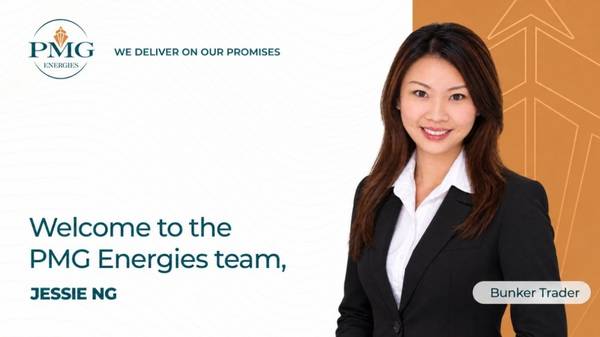
PMG Energies appoints Jessie Ng as bunker trader in Singapore
Bunker firm adds experienced trader to Singapore team. |
|
|
|
||
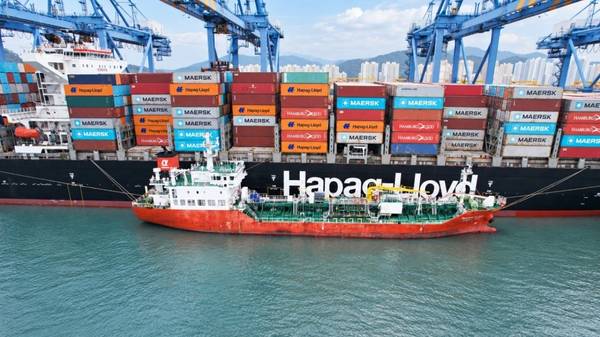
|
Hapag-Lloyd completes simultaneous-operations biomethanol bunkering in Busan
Container line bunkers ISCC EU-certified biomethanol from Goldwind during SIMOPS, advancing its 2024 supply agreement. |
|
|
|
||
| Nuclear-powered LNG carriers cost more upfront but cut lifetime fuel bills, ABS-backed study finds [News & Insights] |
| Electric and hybrid ferries could cut Sea of Marmara emissions by 63%, IMO study finds [News & Insights] |
| Electric and hybrid ferries could cut Sea of Marmara emissions by 63%, IMO study finds [News & Insights] |
| Electric and hybrid ferries could cut Sea of Marmara emissions by 63%, IMO study finds [News & Insights] |
| Batumi Sea Port officials study decarbonisation practices in Hamburg [News & Insights] |
