
 |
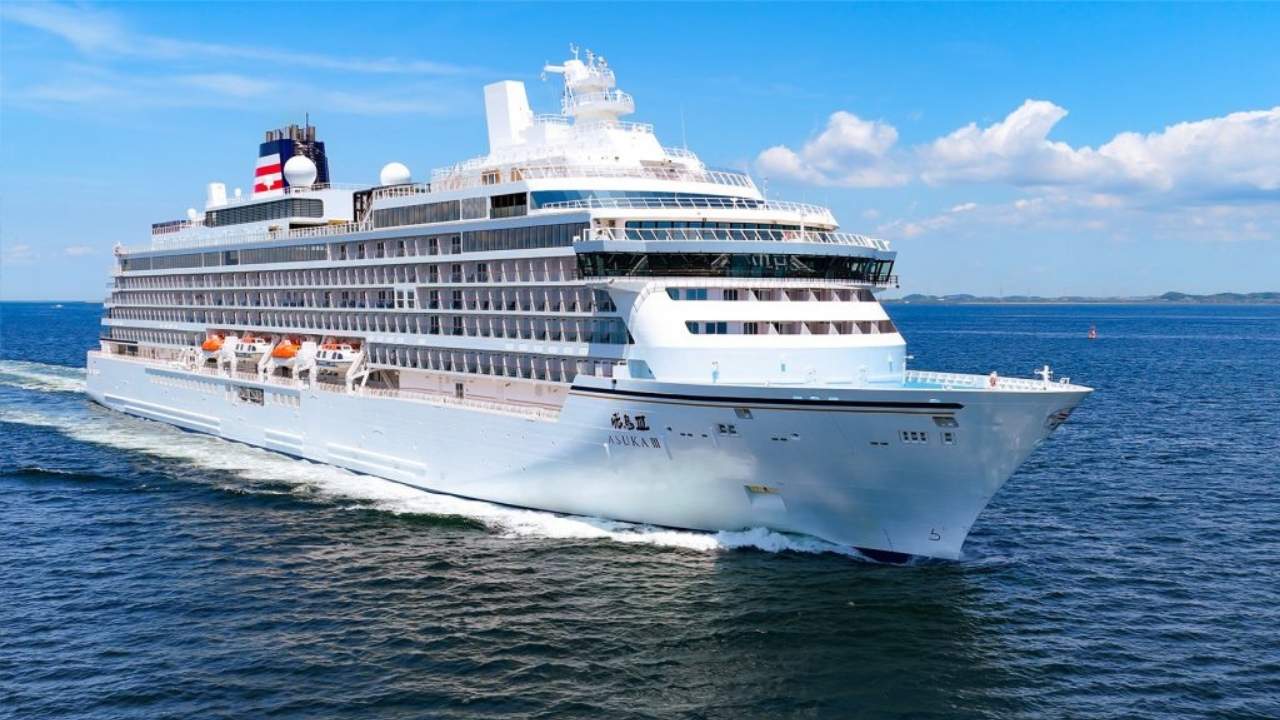
NYK Cruises Co., Ltd., a member of the Nippon Yusen Group, has announced that its cruise ship Asuka III reduced annual CO₂ emissions by approximately 1,300 tonnes over the 12-month period from 1 July 2025 to 30 June 2026 through the use of LNG as a fuel in place of conventional heavy fuel oil (heavy oil A) of equivalent calorific value.
According to NYK Cruises, the 1,300-tonne CO₂ reduction figure is equivalent to the annual household emissions of approximately 530 average Japanese homes, based on data from Japan’s Ministry of the Environment, which places average annual CO₂ emissions per household at 2.47 tonnes of CO₂ per year.
The calculation was carried out using guidelines from the Intergovernmental Panel on Climate Change (IPCC) and Japan’s Ministry of the Environment. NYK Cruises explained that the methodology involved comparing the fuel volumes required to generate equivalent calorific output and their respective CO₂ emissions, noting a conversion factor of approximately 1 tonne to 1.3 kilolitres of heavy oil A.
NYK Cruises said the Asuka III incorporates technologies designed to reduce environmental impact, with LNG serving as one of the vessel’s fuels.
The company described the initiative as part of the broader NYK Group’s decarbonisation strategy, which is aimed at achieving net-zero emissions by 2050.
|
WinGD signs global service agreement for TMS Cardiff Gas LNG carrier newbuilds
WinGD will support six dual-fuel engines on three new LNG carriers for the Athens-based operator throughout their operational lives. |
|
|
|
||
|
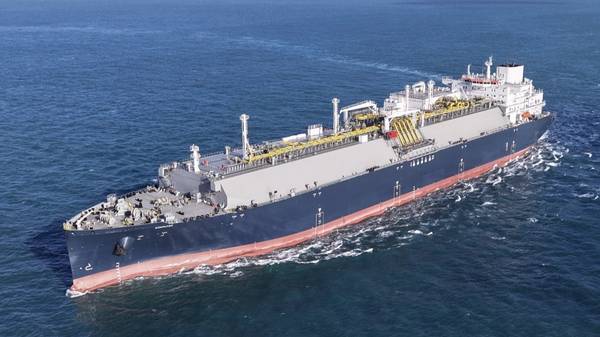
Yangzijiang Xinfu delivers first 175,000-cbm LNG carrier built by Chinese private shipyard
Vessel features two dual-fuel MAN B&W 5G70ME-C10.5-GA-EGR engines fitted with cryogenic units. |
|
|
|
||
|
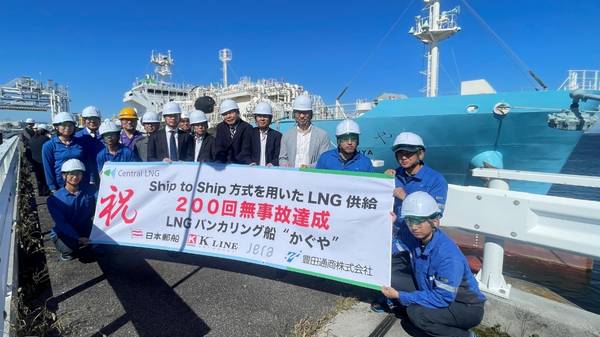
LNG bunkering vessel Kaguya completes 200th ship-to-ship operation in Japan
K Line’s joint venture vessel reaches milestone in Mikawa Bay. |
|
|
|
||
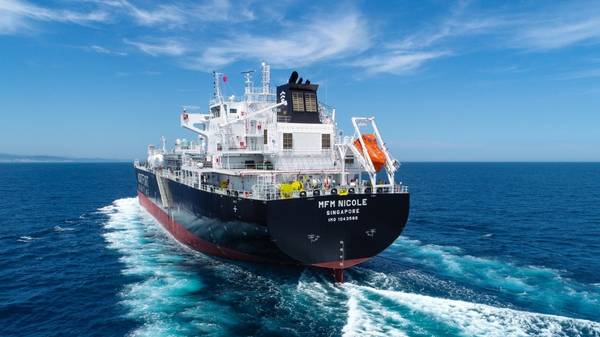
|
Synergy Marine adds dual-fuel LPG carrier to managed fleet
MFM Nicole joins Synergy’s gas carrier portfolio as owners weigh fuel choices ahead of MEPC 85 negotiations. |
|
|
|
||
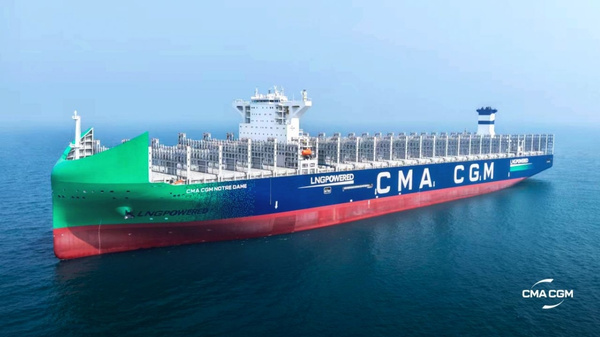
|
DSV to use CMA CGM’s ACT+ solution to slash shipping emissions
Danish firm targets 12,000-tonne reduction in CO₂ emissions over two years through the use of UCOME-based biofuels. |
|
|
|
||
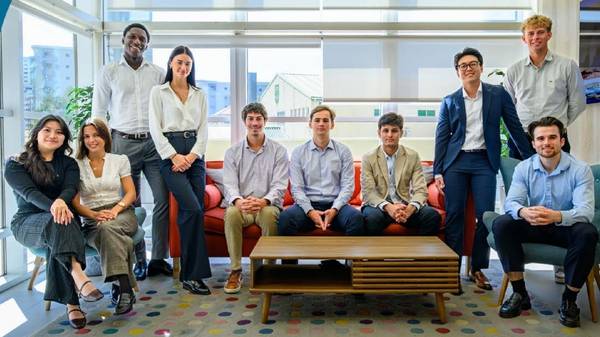
|
Peninsula welcomes 2026 graduate cohort across global bunkering network
Bunker firm brings new graduates into roles spanning Houston, Singapore, Gibraltar, Monaco and Las Palmas. |
|
|
|
||

|
Malik Supply appoints Mathias Krogsgård as bunker trader
Danish bunker firm adds trader with export and technology background to growing team. |
|
|
|
||

|
Biofuel adoption in shipping shifts from debate to delivery, says Peninsula's Jeroen de Vos
Marine biofuels have moved from pilot projects to routine fuel strategy, argues IBIA vice-chair. |
|
|
|
||
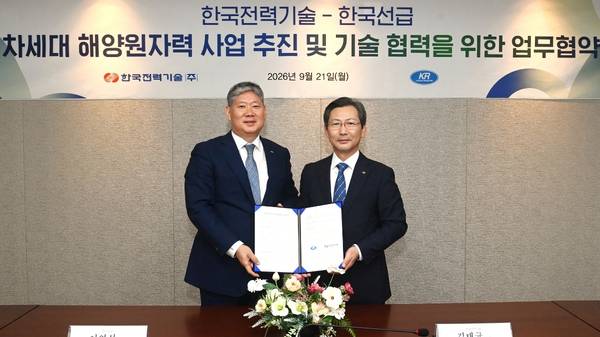
|
KEPCO E&C and Korean Register of Shipping to collaborate on marine SMR development
Korean firms to develop technical standards and certification pathways for the BANDI offshore small modular reactor. |
|
|
|
||
|
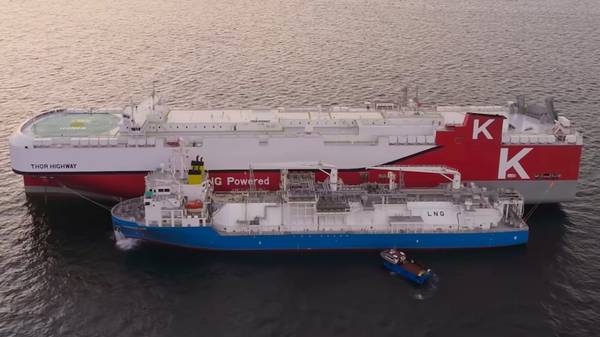
Peninsula completes first LNG bunkering operation at Sagunto
Levante LNG bunkering vessel supplies K Line car carrier in landmark delivery. |
|
|
|
||
| Keel-laying ceremony held for LNG-powered Disney Believe at Meyer Werft [News & Insights] |
| NYK names dual-fuel LNG carrier for Cameron LNG project [News & Insights] |
| PaxOcean signs design contract with Ulstein for methanol-ready offshore wind vessel [News & Insights] |
| NYK shares two years of ammonia-fuelled tugboat data with IMO [News & Insights] |
| Japan completes world's first ship-to-ship ammonia bunkering to ammonia-fuelled vessel [News & Insights] |
