
 |
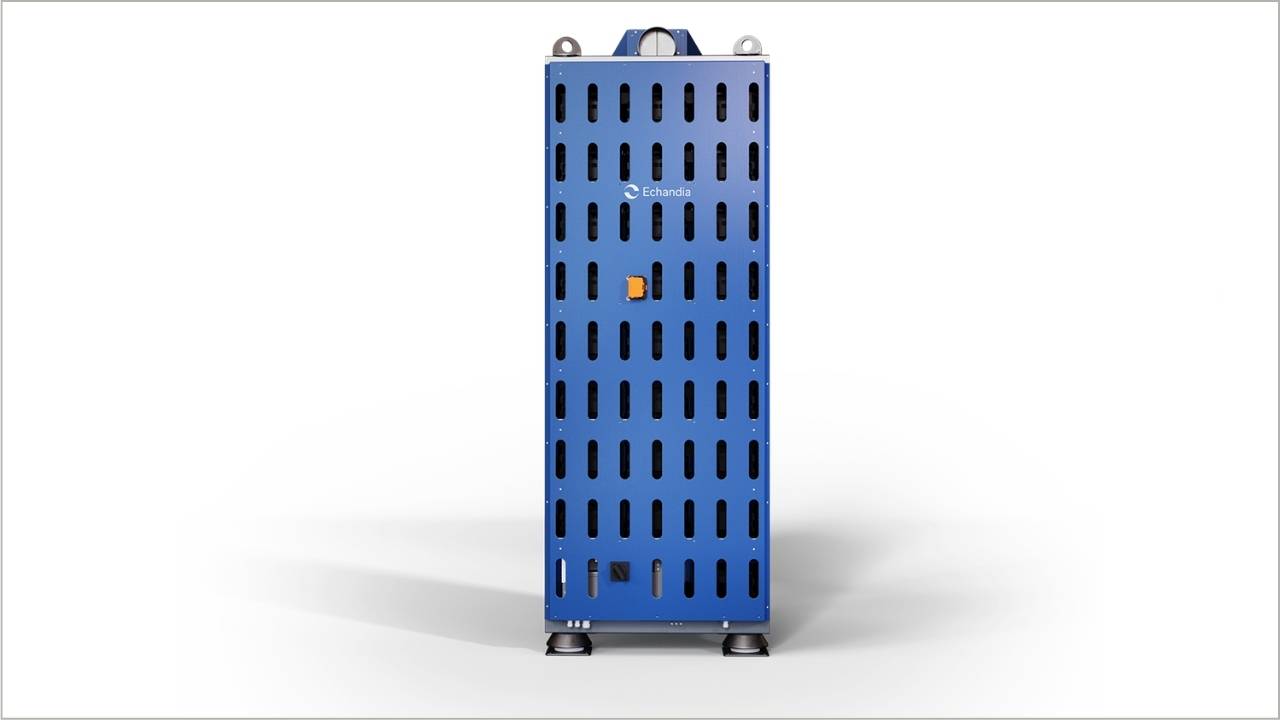
Marine batteries are gaining attention not only as a propulsion alternative for ferries and short-sea routes, but also as a tool for improving generator efficiency on larger merchant vessels — a use case that battery technology company Echandia says could deliver measurable fuel savings.
The underlying challenge is one of system design. Marine power systems are conventionally sized for peak demand and redundancy, which in practice can mean multiple generators running well below their most efficient operating point during normal conditions. According to Echandia, four-stroke generators operating below roughly 40% load can face a fuel-consumption penalty of 10–15% compared with running nearer their optimum load.
The problem is compounded when vessels keep additional generators running as spinning reserve — a precaution against sudden load changes or equipment failure that adds to fuel burn without contributing to productive output.
Echandia claims that integrating a battery system into the vessel’s power architecture changes this dynamic. A battery can respond rapidly to sudden demand increases or a generator trip, providing reserve capacity electrically. This, the company says, allows fewer engines to run during normal operation.
Batteries can also absorb short-duration power peaks and variations in hotel and auxiliary loads, enabling generators to operate at a steadier — and generally higher — average load rather than continuously chasing fluctuations.
Echandia estimates that battery-supported generator optimisation can reduce fuel consumption from auxiliary four-stroke generator sets by around 10–15%, depending on vessel type and operating profile.
The company points to operational data from a 15,000-TEU containership to illustrate the potential. According to those figures, the vessel’s auxiliary engines consumed approximately 245 g/kWh at low load, compared with 217 g/kWh at optimum load — a difference of around 28 g/kWh.
Echandia has published a white paper examining how battery integration can reduce both fuel consumption and generator running hours across different vessel types.

|
WinGD signs global service agreement for TMS Cardiff Gas LNG carrier newbuilds
WinGD will support six dual-fuel engines on three new LNG carriers for the Athens-based operator throughout their operational lives. |
|
|
|
||
|
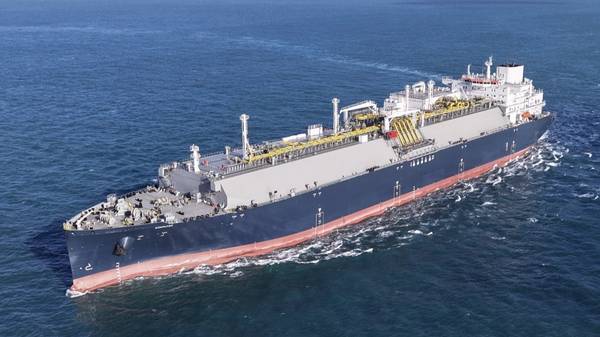
Yangzijiang Xinfu delivers first 175,000-cbm LNG carrier built by Chinese private shipyard
Vessel features two dual-fuel MAN B&W 5G70ME-C10.5-GA-EGR engines fitted with cryogenic units. |
|
|
|
||
|
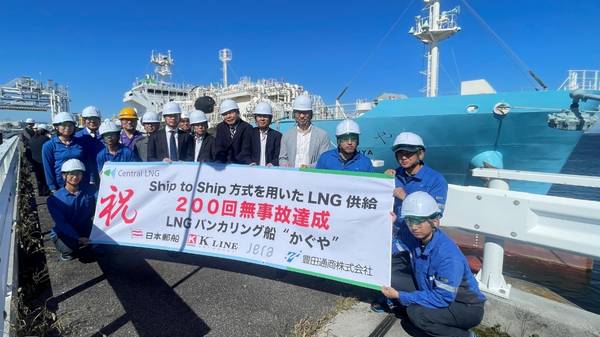
LNG bunkering vessel Kaguya completes 200th ship-to-ship operation in Japan
K Line’s joint venture vessel reaches milestone in Mikawa Bay. |
|
|
|
||
|
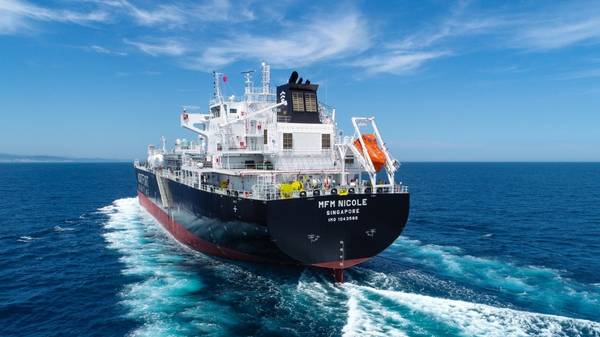
Synergy Marine adds dual-fuel LPG carrier to managed fleet
MFM Nicole joins Synergy’s gas carrier portfolio as owners weigh fuel choices ahead of MEPC 85 negotiations. |
|
|
|
||
|
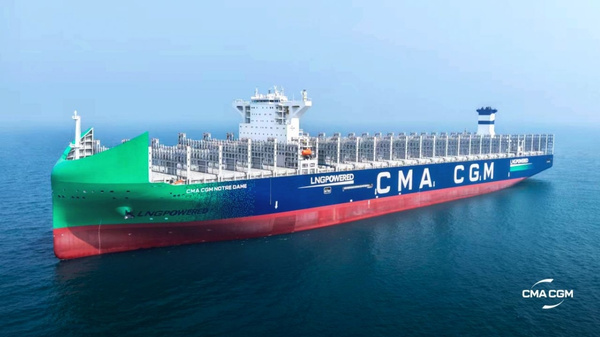
DSV to use CMA CGM’s ACT+ solution to slash shipping emissions
Danish firm targets 12,000-tonne reduction in CO₂ emissions over two years through the use of UCOME-based biofuels. |
|
|
|
||
|
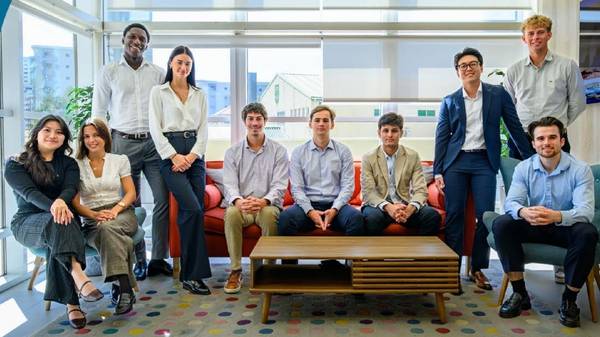
Peninsula welcomes 2026 graduate cohort across global bunkering network
Bunker firm brings new graduates into roles spanning Houston, Singapore, Gibraltar, Monaco and Las Palmas. |
|
|
|
||

|
Malik Supply appoints Mathias Krogsgård as bunker trader
Danish bunker firm adds trader with export and technology background to growing team. |
|
|
|
||

|
Biofuel adoption in shipping shifts from debate to delivery, says Peninsula's Jeroen de Vos
Marine biofuels have moved from pilot projects to routine fuel strategy, argues IBIA vice-chair. |
|
|
|
||
|
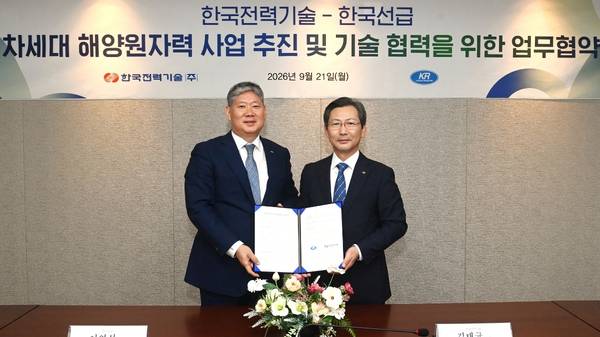
KEPCO E&C and Korean Register of Shipping to collaborate on marine SMR development
Korean firms to develop technical standards and certification pathways for the BANDI offshore small modular reactor. |
|
|
|
||
|
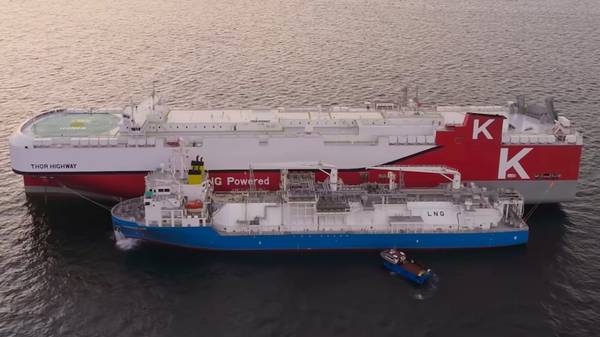
Peninsula completes first LNG bunkering operation at Sagunto
Levante LNG bunkering vessel supplies K Line car carrier in landmark delivery. |
|
|
|
||
| CMA CGM takes delivery of methanol dual-fuel newbuild [News & Insights] |
| Wärtsilä to supply dual-fuel engines for 12 CMA CGM container ships [News & Insights] |
| CMA CGM takes delivery of LNG-powered Orsay for Asia-Europe trade [News & Insights] |
| Nuclear-powered LNG carriers cost more upfront but cut lifetime fuel bills, ABS-backed study finds [News & Insights] |
| Electric and hybrid ferries could cut Sea of Marmara emissions by 63%, IMO study finds [News & Insights] |
