
 |
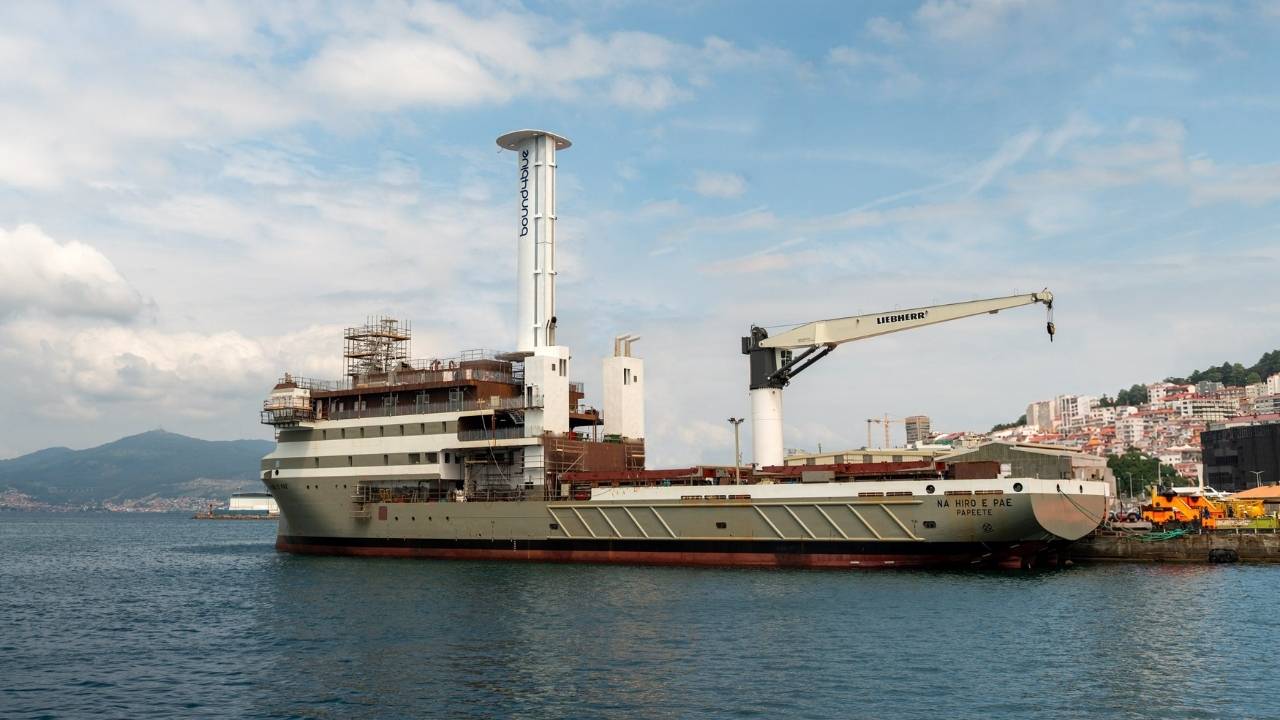
Wind propulsion technology company bound4blue has completed the installation of a 22-metre eSAIL on board Na Hiro E Pae, a newbuild multipurpose vessel set to operate between Tahiti and the Austral Islands in French Polynesia — marking what is believed to be the first time a wind propulsion system (WPS) has been fitted to a multipurpose vessel of this type anywhere in the world.
The installation was carried out at Astilleros Armon Vigo in Spain prior to vessel delivery. Na Hiro E Pae is owned and operated by Société de Navigation des Australes (SNA) Tuha’a Pae Shipping Company and is designed to carry up to 200 passengers alongside up to 1,500 tonnes of cargo, serving communities across the remote South Pacific archipelago.
Multipurpose cargo vessels in French Polynesia are commonly referred to as 'goelettes' — a nod to the schooners that historically supplied remote islands under sail — a heritage that the operator says informed the decision to incorporate wind propulsion into the vessel’s design.
The bound4blue eSAIL is an automated suction sail that the company claims can produce up to seven times the propulsive force of a standard rigid sail of the same size. The single unit fitted to Na Hiro E Pae is expected, according to bound4blue, to reduce the vessel’s energy consumption by approximately 10%, and is also said to contribute to improved Energy Efficiency Design Index (EEDI) and Carbon Intensity Indicator (CII) performance for the Cotenaval-designed vessel.
The eSAIL forms part of a broader package of green technologies aboard Na Hiro E Pae, which also includes engines capable of running on biofuel or e-fuel, electric pod propulsion, waste management systems and freshwater autonomy.
José Miguel Bermúdez, CEO and co-founder of bound4blue, stated: “Multipurpose vessels have traditionally been seen as a challenging segment for wind power, due to the required flexibility of operations and related integration demands. This project demonstrates how systems suppliers, naval architects, shipowners and other key stakeholders can solve such issues, collaborating closely to empower progress.
“We’re particularly pleased to have been selected alongside so many complementary technologies, providing a tangible example of how owners can combine solutions to optimise environmental and commercial performance. We hope Na Hiro E Pae leads the way for other ambitious shipping companies keen to unlock sustainable advantages.”
Boris Piel, technical director at SNA Tuha’a Pae Shipping Company, remarked: “The completion of this installation brings us one step closer to welcoming a new generation of vessels into service for the people of the Austral Islands. Sustainability was a key objective throughout the design process, and the eSAIL® forms an important part of a wider package of technologies that will help us reduce energy consumption and environmental impact, while maintaining the reliable transport services our communities depend upon.
“This project demonstrates that innovation and practicality can go hand in hand. We are proud to be pioneering the use of wind propulsion on a vessel of this type and look forward to seeing the benefits delivered in operation.”
The project previously received support through the French Polynesian Government’s Appel à Manifestation d’Intérêt initiative, in recognition of its contribution to fleet renewal, regional connectivity and environmental performance.
Bound4blue states that it has now deployed eSAIL systems on twelve ships, with a further six vessels in its order book, representing more than 50 eSAIL units in total. The company’s client portfolio includes Eastern Pacific Shipping, Maersk Tankers, Odfjell, Klaveness Combination Carriers, BW Epic Kosan and Louis Dreyfus Company.

|
WinGD signs global service agreement for TMS Cardiff Gas LNG carrier newbuilds
WinGD will support six dual-fuel engines on three new LNG carriers for the Athens-based operator throughout their operational lives. |
|
|
|
||
|
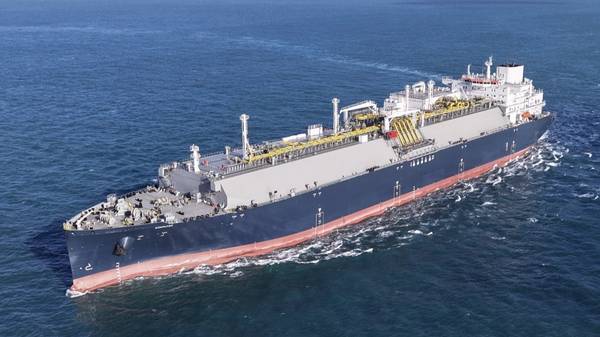
Yangzijiang Xinfu delivers first 175,000-cbm LNG carrier built by Chinese private shipyard
Vessel features two dual-fuel MAN B&W 5G70ME-C10.5-GA-EGR engines fitted with cryogenic units. |
|
|
|
||
|
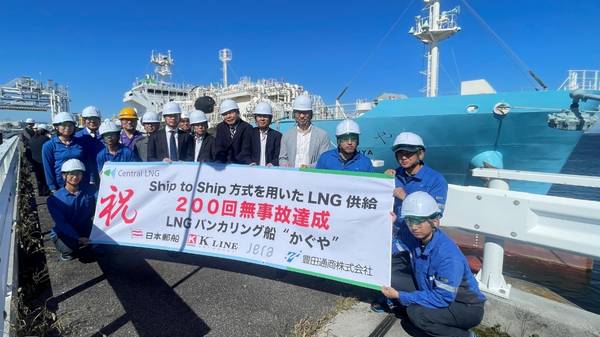
LNG bunkering vessel Kaguya completes 200th ship-to-ship operation in Japan
K Line’s joint venture vessel reaches milestone in Mikawa Bay. |
|
|
|
||
|
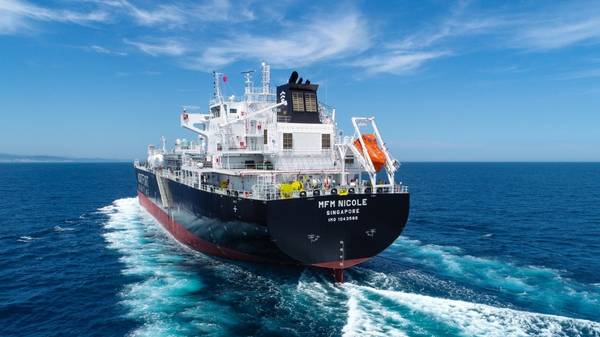
Synergy Marine adds dual-fuel LPG carrier to managed fleet
MFM Nicole joins Synergy’s gas carrier portfolio as owners weigh fuel choices ahead of MEPC 85 negotiations. |
|
|
|
||
|
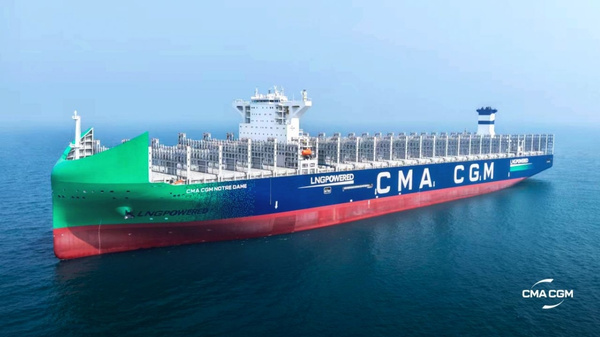
DSV to use CMA CGM’s ACT+ solution to slash shipping emissions
Danish firm targets 12,000-tonne reduction in CO₂ emissions over two years through the use of UCOME-based biofuels. |
|
|
|
||

|
Peninsula welcomes 2026 graduate cohort across global bunkering network
Bunker firm brings new graduates into roles spanning Houston, Singapore, Gibraltar, Monaco and Las Palmas. |
|
|
|
||

|
Malik Supply appoints Mathias Krogsgård as bunker trader
Danish bunker firm adds trader with export and technology background to growing team. |
|
|
|
||

|
Biofuel adoption in shipping shifts from debate to delivery, says Peninsula's Jeroen de Vos
Marine biofuels have moved from pilot projects to routine fuel strategy, argues IBIA vice-chair. |
|
|
|
||
|
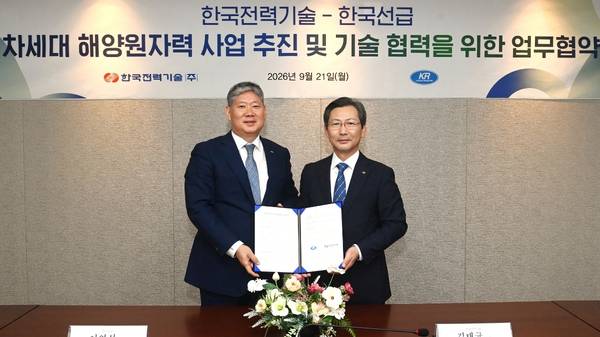
KEPCO E&C and Korean Register of Shipping to collaborate on marine SMR development
Korean firms to develop technical standards and certification pathways for the BANDI offshore small modular reactor. |
|
|
|
||
|
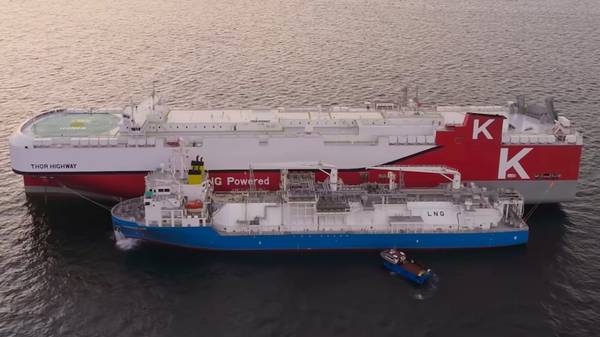
Peninsula completes first LNG bunkering operation at Sagunto
Levante LNG bunkering vessel supplies K Line car carrier in landmark delivery. |
|
|
|
||
| WinGD signs global service agreement for TMS Cardiff Gas LNG carrier newbuilds [News & Insights] |
| Yangzijiang Xinfu delivers first 175,000-cbm LNG carrier built by Chinese private shipyard [News & Insights] |
| Synergy Marine adds dual-fuel LPG carrier to managed fleet [News & Insights] |
| CMA CGM takes delivery of methanol dual-fuel newbuild [News & Insights] |
| MISC names first of three new LNG carriers for QatarEnergy charter deal [News & Insights] |
