
 |
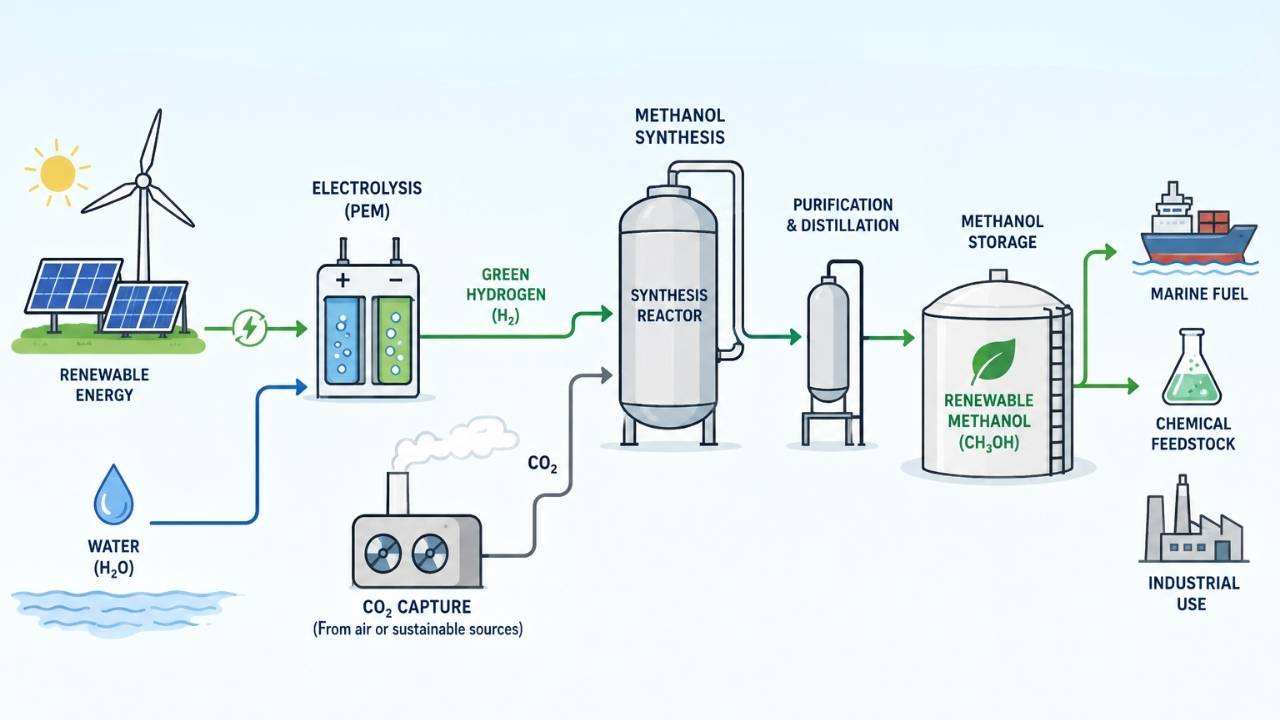
The global renewable methanol project pipeline contracted for the first time in 42 months in July 2026, according to data published by GENA, driven primarily by the cancellation of a large-scale e-methanol project in the United States.
GENA’s Project Navigator Methanol, which tracks renewable and low-carbon methanol developments worldwide, recorded a net reduction of 0.5 megatonnes, or million metric tonnes (MMT), in cumulative pipeline capacity month-on-month, bringing total tracked capacity to 61.8 MMT by 2032. The figure encompasses 285 projects, including 130 e-methanol projects representing 24.4 MMT of capacity, 137 biomethanol projects with 26.3 MMT, and 18 low-carbon methanol projects accounting for 11.2 MMT.
The contraction was largely attributable to the removal of the HIF Global Matagorda project in Texas. On 9 July, HIF Global announced that it had signed a definitive agreement to sell a 1,200-acre site in Matagorda County, Texas, for digital infrastructure development. The site had been designated for the 1,400 kilotonne per annum (kta) Matagorda e-methanol project. HIF stated that it would continue developing fuels projects at other sites. GENA said it therefore assumes the Matagorda project has been cancelled.
The cancellation follows that of the Beaver Lake Renewable Energy project in June, and has contributed to a sharp reduction in North America’s share of the global renewable methanol pipeline. The region now accounts for just 2.8 MMT of capacity, down from 4.7 MMT in May, representing 6% of the global total. GENA noted that several additional North American projects in its tracker have shown little or no development progress over the past two years, suggesting further contraction is possible.
China dominates; India emerges
China remains by far the largest contributor to the renewable methanol pipeline, accounting for 31.1 MMT, or 63% of renewable methanol capacity tracked, while Europe accounts for 11.2 MMT, or 21%. Five new projects were added to Project Navigator during July—one in Europe, two in China, and two in India—while four frozen e-methanol projects with a combined capacity of 2.1 MMT were excluded.
India is emerging as a new centre of renewable methanol development, according to GENA. As of July 2026, the country’s project pipeline had reached 2.1 MMT, with a number of additional early-stage projects also announced.
Development activity continuesDespite the headline contraction, GENA registered more than 30 development advances across individual projects during the month.
Carbon Recycling International (CRI) delivered the e-methanol reactor for China Tianying’s 170 kta e-methanol project in Liaoyuan, China. According to the Jilin Provincial Development and Reform Commission, 83 wind turbines have been installed, the main equipment for the hydrogen plant is in place, and steel structures for the methanol plant and CO₂ compressor station have been completed. The project’s announced start-up date is September 2026.
A contractor consortium won the engineering, procurement and construction (EPC) tender for the 100 kta Shenyang Hydrogen Biomass Green Methanol project, being developed by China Energy Engineering Corporation using a hybrid configuration combining biomass gasification and electrolysis. The first foundation pile for the project was subsequently drilled.
Steel structure installation has commenced at the 100 kta Huadian Diaobingshan e-methanol project in China, which is targeting the start of operations by June 2027.
In India, Mitsubishi Gas Chemical and ACME Group signed a 10-year purchase agreement covering the supply of 100 kta of e-methanol from ACME’s project in Odisha, with deliveries to begin in 2030.
GENA noted that most projects demonstrating substantial development progress have capacities in the range of 100–200 kta, and that while large-scale projects could potentially benefit from economies of scale, securing sufficient offtake in an emerging market presents material challenges.
Outlook
GENA estimates that operational renewable methanol capacity could grow from 0.9 MMT currently to between 6 MMT and 12 MMT by the end of 2031, depending on regulatory and market developments.
|
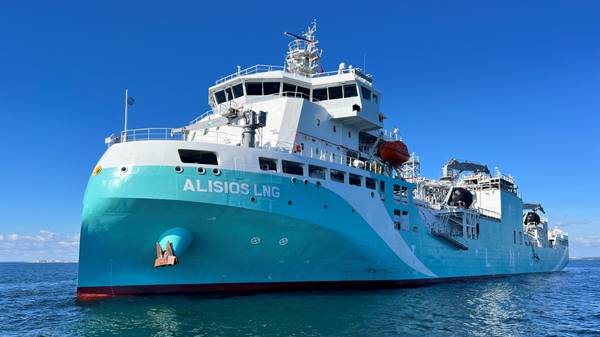
Axpo completes first LNG bunkering in Valencia, with over half bio-LNG
Ship-to-ship transfer to a container vessel makes Valencia the company's fourth Spanish port for LNG bunkering. |
|
|
|
||
|
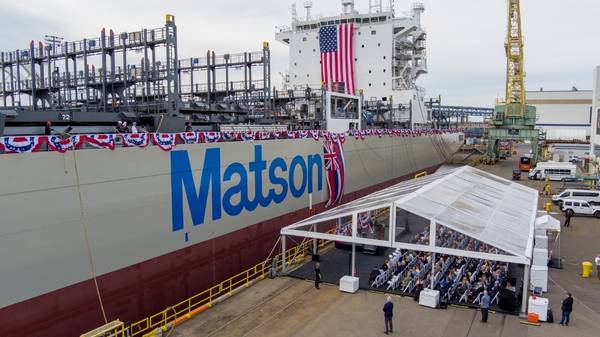
Matson christens Makua, first of three LNG-ready Aloha Class container ships
Dual-fuel vessel, due for delivery in early 2027, is the first of three ships worth around $1bn. |
|
|
|
||
|
CMB.Tech seeks Singapore-based ammonia operations manager for Asia Pacific
New hire will oversee ammonia chartering and bunkering and liaise with Far East partners. |
|
|
|
||
|
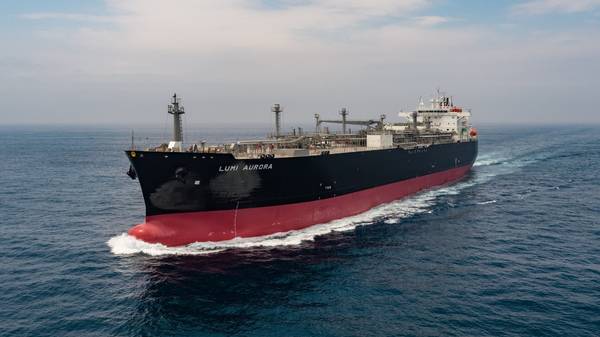
IINO Lines deploys first Ice Class IB VLGC on long-term charter to Borouge International
LPG-fuelled Lumi Aurora will carry North American gas to Borouge International's Porvoo plant in Finland. |
|
|
|
||
|
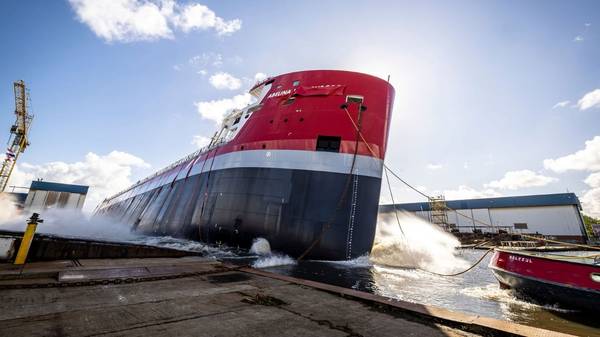
Wagenborg launches first EasyMax 2.0 vessel, prepared for methanol, ammonia and LNG
Abelina Wagenborg, built at Niestern Sander, is the first of a new generation designed for multiple alternative fuels. |
|
|
|
||
|
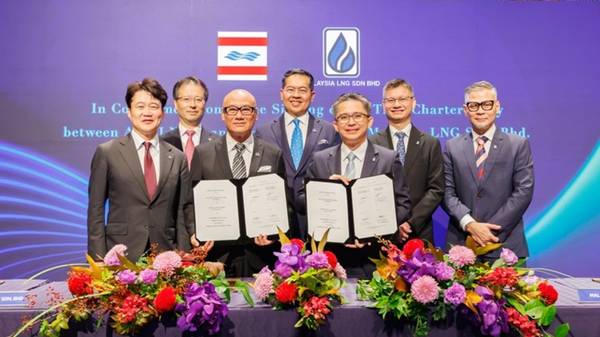
NYK–MISC joint venture signs charter for 18,700-cbm LNG carrier with Malaysia LNG
Asia LNG Transport will operate the dual-fuel diesel-electric newbuild, due from Hudong-Zhonghua in 2028, on routes to Japan. |
|
|
|
||

|
Study finds methanol dual-fuel retrofit of Kamsarmax bulk carrier would take about 75 days
Report by Mærsk Mc-Kinney Møller Center, involving Tsuneishi, puts conversion costs at 25–30% of the cost of a conventionally fuelled newbuilding. |
|
|
|
||
|
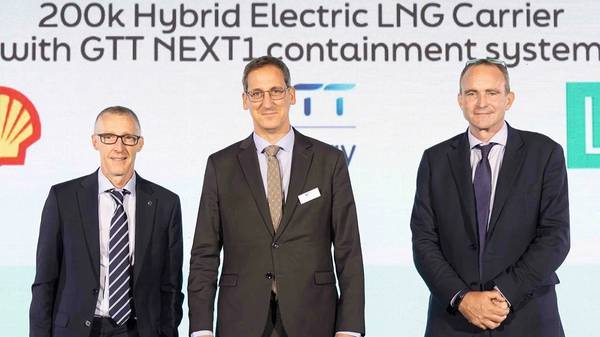
Lloyd's Register, Shell and GTT launch joint project on hybrid-electric 200,000-cbm LNG carrier
Partners to develop a concept combining hybrid-electric propulsion with GTT NEXT1 cargo containment technology for larger LNG carriers. |
|
|
|
||
|
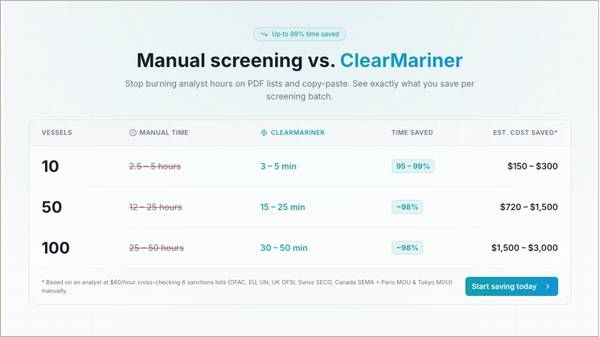
ClearMariner expands maritime sanctions screening with ESG, emissions and API support
Online service now combines sanctions checks with voyage CO₂, CII, EU ETS and FuelEU Maritime estimates. |
|
|
|
||

|
Flex Commodities adds Long Jing Xin to Singapore marine fuels team
Company appoints associate for marine fuels as part of plan for regional expansion. |
|
|
|
||
| Wagenborg launches first EasyMax 2.0 vessel, prepared for methanol, ammonia and LNG [News & Insights] |
| Study finds methanol dual-fuel retrofit of Kamsarmax bulk carrier would take about 75 days [News & Insights] |
| Changhong International launches fifth 115,000-tonne product tanker for Navios [News & Insights] |
| Singapore safety council inspects methanol bunker tanker Golden Centaurus [News & Insights] |
| India and EU sign letter of intent for green shipping corridor coalition [News & Insights] |
