
 |
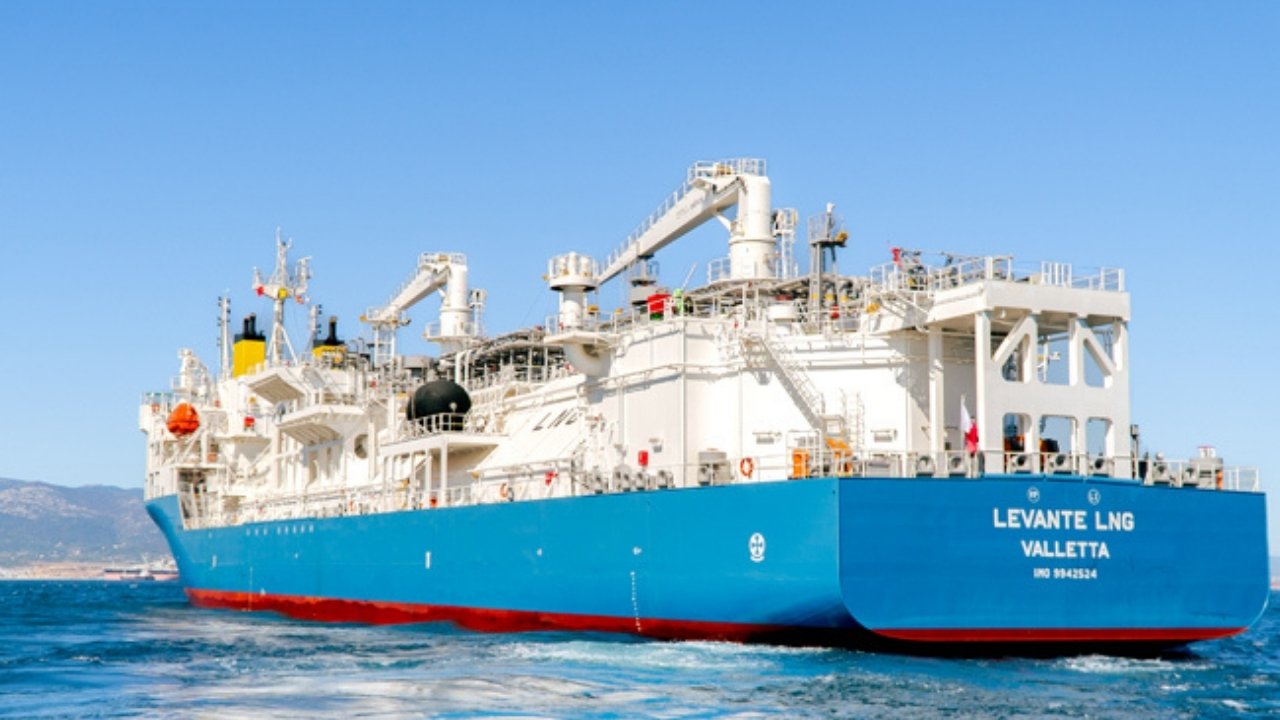
Marine fuels provider Peninsula has outlined the case for bio-LNG as a near-term decarbonisation option for LNG-fuelled vessels, pointing to growing availability at bunkering hubs and compatibility with existing infrastructure as factors driving adoption.
In a blog post, the company argued that bio-LNG — a renewable marine fuel produced from certified biogenic waste feedstocks — is chemically equivalent to conventional LNG, meaning it can be used in existing dual-fuel engines and LNG supply systems without vessel modifications or retrofitting.
Peninsula noted that the fuel can achieve lifecycle greenhouse gas emissions reductions of up to 90% compared with conventional marine fuels when produced from certified waste-based feedstocks, though the actual reduction will depend on the feedstock and production pathway involved.
Cristina Danes, LNG supply trader at Peninsula, stated: "As operators look to balance compliance, cost and operational performance, bio-LNG offers a practical solution that can be integrated into existing LNG infrastructure today. Increasing availability across key bunkering locations is helping turn decarbonisation ambitions into operational reality."
Peninsula pointed to its first bio-LNG delivery at the Port of Cadiz as an example of how the fuel is becoming more accessible through established LNG supply chains.
The marine fuel seller also highlighted the role bio-LNG could play in supporting compliance with the FuelEU Maritime regulation, which creates incentives for lower-carbon fuel adoption. According to Peninsula, bio-LNG could help operators manage their emissions profiles and participate in mechanisms such as FuelEU pooling.
For operators already running LNG-capable vessels, the company said bio-LNG presents a route to improved environmental performance without requiring significant additional investment — a consideration it described as relevant given the broader capital demands of the energy transition.
|
Axpo completes first LNG bunkering in Valencia, with over half bio-LNG
Ship-to-ship transfer to a container vessel makes Valencia the company's fourth Spanish port for LNG bunkering. |
|
|
|
||
|
Matson christens Makua, first of three LNG-ready Aloha Class container ships
Dual-fuel vessel, due for delivery in early 2027, is the first of three ships worth around $1bn. |
|
|
|
||

|
CMB.Tech seeks Singapore-based ammonia operations manager for Asia Pacific
New hire will oversee ammonia chartering and bunkering and liaise with Far East partners. |
|
|
|
||
|
IINO Lines deploys first Ice Class IB VLGC on long-term charter to Borouge International
LPG-fuelled Lumi Aurora will carry North American gas to Borouge International's Porvoo plant in Finland. |
|
|
|
||
|
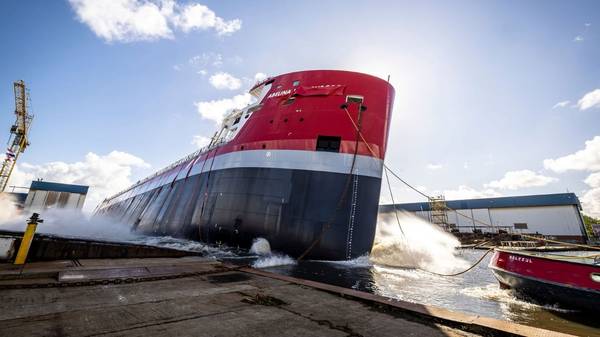
Wagenborg launches first EasyMax 2.0 vessel, prepared for methanol, ammonia and LNG
Abelina Wagenborg, built at Niestern Sander, is the first of a new generation designed for multiple alternative fuels. |
|
|
|
||
|
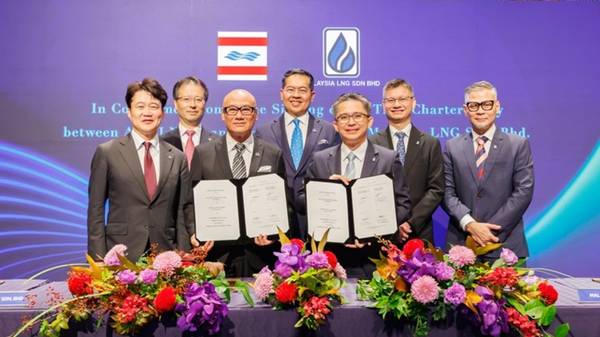
NYK–MISC joint venture signs charter for 18,700-cbm LNG carrier with Malaysia LNG
Asia LNG Transport will operate the dual-fuel diesel-electric newbuild, due from Hudong-Zhonghua in 2028, on routes to Japan. |
|
|
|
||

|
Study finds methanol dual-fuel retrofit of Kamsarmax bulk carrier would take about 75 days
Report by Mærsk Mc-Kinney Møller Center, involving Tsuneishi, puts conversion costs at 25–30% of the cost of a conventionally fuelled newbuilding. |
|
|
|
||
|
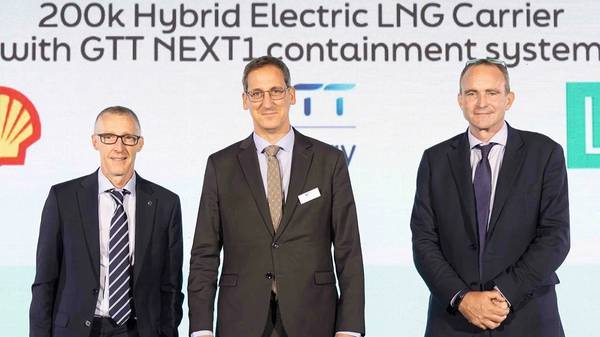
Lloyd's Register, Shell and GTT launch joint project on hybrid-electric 200,000-cbm LNG carrier
Partners to develop a concept combining hybrid-electric propulsion with GTT NEXT1 cargo containment technology for larger LNG carriers. |
|
|
|
||
|
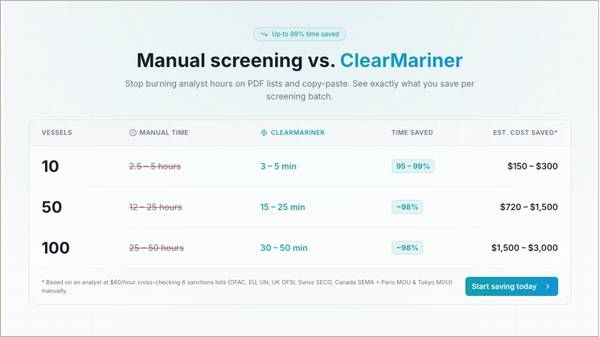
ClearMariner expands maritime sanctions screening with ESG, emissions and API support
Online service now combines sanctions checks with voyage CO₂, CII, EU ETS and FuelEU Maritime estimates. |
|
|
|
||

|
Flex Commodities adds Long Jing Xin to Singapore marine fuels team
Company appoints associate for marine fuels as part of plan for regional expansion. |
|
|
|
||
| Peninsula welcomes 2026 graduate cohort across global bunkering network [News & Insights] |
| Biofuel adoption in shipping shifts from debate to delivery, says Peninsula's Jeroen de Vos [News & Insights] |
| Peninsula completes first LNG bunkering operation at Sagunto [News & Insights] |
| Peninsula and Evos sign MoU to develop biofuel storage at Algeciras terminal [News & Insights] |
| Red Sea diversions and Mediterranean emissions rules set to squeeze bunker supply, warns Peninsula [News & Insights] |
