
 |
The UK Chamber of Shipping has published a report — described by the organisation as an industry first — bringing together expertise from across the maritime sector to identify and assess the safety considerations associated with fuels expected to power shipping’s decarbonisation.
Titled 'Alternative Fuels: Building the Safety Evidence Base', the report was developed through the Chamber’s Safety of Alternative Fuels Working Group (SAFWG) and provides preliminary, high-level risk assessments covering five fuel pathways: battery energy storage systems (BESS), biofuels, methanol, hydrogen and ammonia.
The working group, which was established by the UK Chamber of Shipping to support industry understanding of the safety implications associated with emerging zero- and near-zero-emission fuels, brought together more than 200 participants from over 50 organisations. Shipowners, operators, fuel suppliers, equipment manufacturers, classification societies, insurers, legal experts, ports, academics and government stakeholders all contributed through a series of technical workshops during the group’s first year of activity.
Among the report’s key findings is the need for robust design and process safety frameworks to support the commercial deployment of alternative fuels. The report also highlights a number of cross-cutting themes, including material compatibility, emergency response preparedness, crew training and competence, and the need for clearer regulatory pathways.
Francesco Sandrelli, Policy Director (Environment) at the UK Chamber of Shipping, stated: “Shipping is on a critical pathway to net zero. New fuels and energy sources are moving from pilot projects to commercial reality, but safety, standards and operational readiness must keep pace. There is no single fuel that will decarbonise shipping. Different vessel types, trades and operating environments will require different solutions. What is essential is that the transition takes place safely. This publication is an important step towards achieving that goal.”
Stephen Brown, Chair of the SAFWG and Technology Manager at Shell Shipping & Maritime, remarked: “The SAFWG is an excellent example of what can be achieved when industry stakeholders come together to address a shared challenge. The breadth of expertise involved in this work has created a valuable resource for operators, designers, regulators and the wider maritime sector. This is the beginning of a longer journey, but we have established an important foundation for future collaboration.”
James Helliwell, Vice-Chair of the SAFWG and Commercial Director for Decarbonisation at V. Group, commented: “Significant work has already been undertaken across the industry to pilot and test alternative fuels, but much of that experience is not widely available. By bringing together knowledge from across the sector, this initiative has produced a clear baseline understanding of key risks and considerations that will help inform future vessel design and operations.”
According to the UK Chamber of Shipping, the report is intended to provide practical insights into known risks, highlight areas where further work is needed, and create a foundation for future research, regulation and operational learning.
Future work by the SAFWG is set to focus on identifying regulatory and knowledge gaps, developing project-specific case studies, expanding stakeholder engagement and establishing an incident and lessons learned database.
|
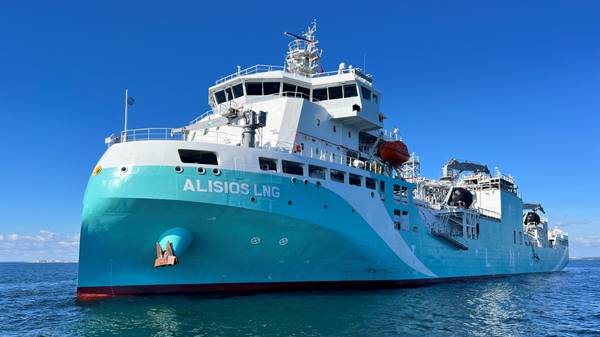
Axpo completes first LNG bunkering in Valencia, with over half bio-LNG
Ship-to-ship transfer to a container vessel makes Valencia the company's fourth Spanish port for LNG bunkering. |
|
|
|
||
|
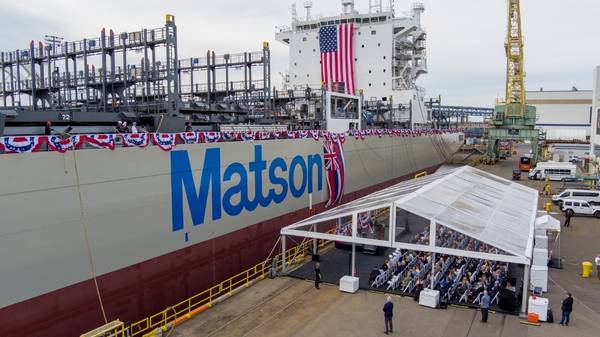
Matson christens Makua, first of three LNG-ready Aloha Class container ships
Dual-fuel vessel, due for delivery in early 2027, is the first of three ships worth around $1bn. |
|
|
|
||
|
CMB.Tech seeks Singapore-based ammonia operations manager for Asia Pacific
New hire will oversee ammonia chartering and bunkering and liaise with Far East partners. |
|
|
|
||
|
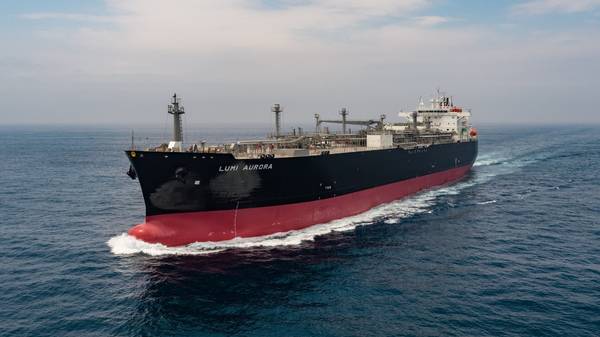
IINO Lines deploys first Ice Class IB VLGC on long-term charter to Borouge International
LPG-fuelled Lumi Aurora will carry North American gas to Borouge International's Porvoo plant in Finland. |
|
|
|
||
|
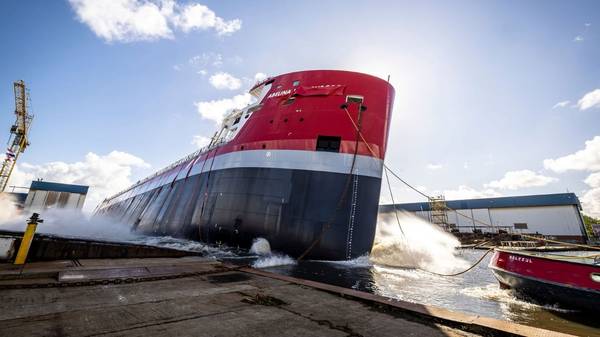
Wagenborg launches first EasyMax 2.0 vessel, prepared for methanol, ammonia and LNG
Abelina Wagenborg, built at Niestern Sander, is the first of a new generation designed for multiple alternative fuels. |
|
|
|
||
|
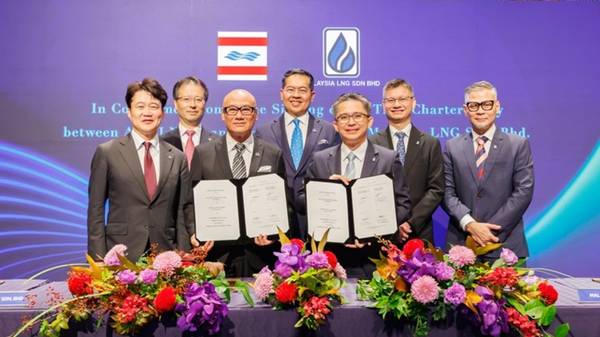
NYK–MISC joint venture signs charter for 18,700-cbm LNG carrier with Malaysia LNG
Asia LNG Transport will operate the dual-fuel diesel-electric newbuild, due from Hudong-Zhonghua in 2028, on routes to Japan. |
|
|
|
||

|
Study finds methanol dual-fuel retrofit of Kamsarmax bulk carrier would take about 75 days
Report by Mærsk Mc-Kinney Møller Center, involving Tsuneishi, puts conversion costs at 25–30% of the cost of a conventionally fuelled newbuilding. |
|
|
|
||
|
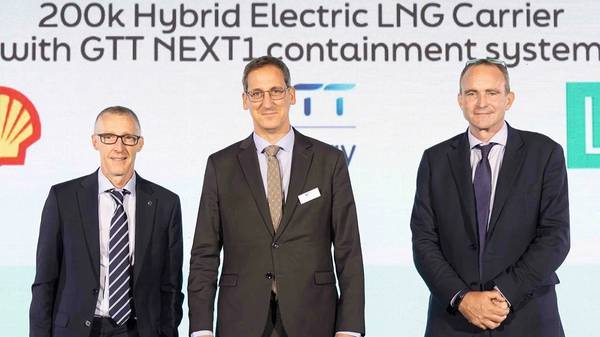
Lloyd's Register, Shell and GTT launch joint project on hybrid-electric 200,000-cbm LNG carrier
Partners to develop a concept combining hybrid-electric propulsion with GTT NEXT1 cargo containment technology for larger LNG carriers. |
|
|
|
||
|
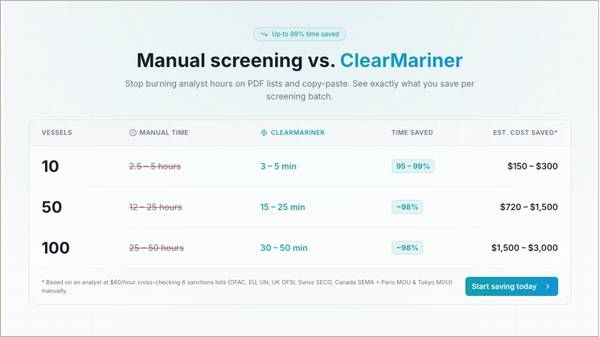
ClearMariner expands maritime sanctions screening with ESG, emissions and API support
Online service now combines sanctions checks with voyage CO₂, CII, EU ETS and FuelEU Maritime estimates. |
|
|
|
||

|
Flex Commodities adds Long Jing Xin to Singapore marine fuels team
Company appoints associate for marine fuels as part of plan for regional expansion. |
|
|
|
||
| Study finds methanol dual-fuel retrofit of Kamsarmax bulk carrier would take about 75 days [News & Insights] |
| Nuclear-powered LNG carriers cost more upfront but cut lifetime fuel bills, ABS-backed study finds [News & Insights] |
| Electric and hybrid ferries could cut Sea of Marmara emissions by 63%, IMO study finds [News & Insights] |
| Batumi Sea Port officials study decarbonisation practices in Hamburg [News & Insights] |
| Lloyd’s Register study backs 200,000-cbm LNG carriers for fleet renewal [News & Insights] |
