
 |
Bunker sales in the port of Rotterdam fell by 25.1% in the first half of 2026 compared with the same period a year earlier, according to data released by the Port of Rotterdam Authority.
The decline was most pronounced in fossil fuel oil, which dropped by 28.3%. Within that category, very-low-sulphur fuel oil (VLSFO) recorded the steepest fall at 46%, followed by ultra-low-sulphur fuel oil (ULSFO, down 31%) and high-sulphur fuel oil (HSFO, down 24%).
In contrast, alternative fuels bucked the trend, with sales rising 28% over the same period. Demand for bio-LNG grew particularly strongly, according to the port authority. The second quarter also saw the first bunkering of bioethanol at Rotterdam — an event that the port authority says "demonstrates the potential of alternative fuels to aid in the reduction of CO₂ emissions in shipping."
The port authority attributed the overall decline in volumes to several converging factors. A key driver, it said, is the implementation of the European RED III Directive in the Netherlands, which requires fuel suppliers to meet additional sustainability obligations. The port noted that this is driving up the cost of conventional bunker fuels at Rotterdam relative to competing ports in the region.
Bunker volumes have also shifted to ports outside the ARA region — Amsterdam, Rotterdam and Antwerp-Bruges — as a result of operational changes driven by regulations and policy, according to Port of Rotterdam Authority. It added that fluctuations in bunker prices, uncertainty in the energy market and developments in global trade routes have further influenced where and how much fuel operators are purchasing.
Rotterdam remains one of the world's busiest bunker ports, but the data indicates that competitive pressures are reshaping purchasing patterns across the region. As in the first quarter of 2026, second-quarter bunkered volumes were materially lower than in the equivalent period of 2025, with the port posting sales of 1.883m tonnes in Q2 2026 compared with 2.457m tonnes during the prior-year period.
|
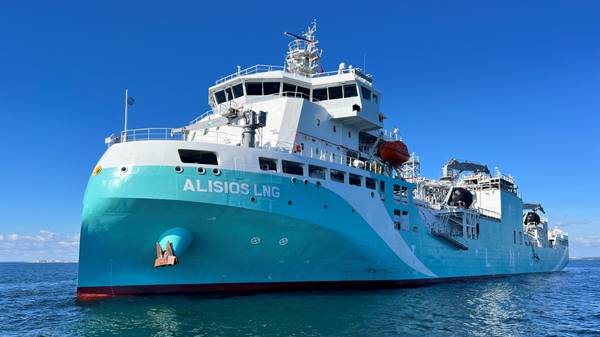
Axpo completes first LNG bunkering in Valencia, with over half bio-LNG
Ship-to-ship transfer to a container vessel makes Valencia the company's fourth Spanish port for LNG bunkering. |
|
|
|
||
|
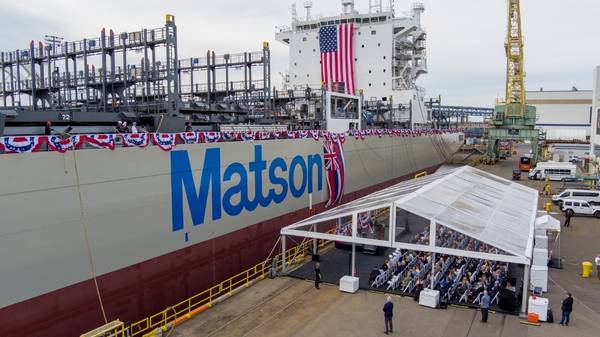
Matson christens Makua, first of three LNG-ready Aloha Class container ships
Dual-fuel vessel, due for delivery in early 2027, is the first of three ships worth around $1bn. |
|
|
|
||
|
CMB.Tech seeks Singapore-based ammonia operations manager for Asia Pacific
New hire will oversee ammonia chartering and bunkering and liaise with Far East partners. |
|
|
|
||
|
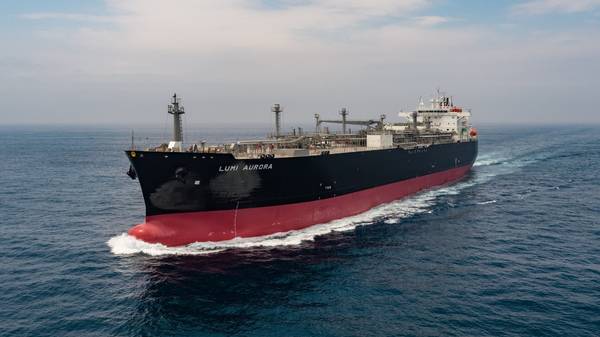
IINO Lines deploys first Ice Class IB VLGC on long-term charter to Borouge International
LPG-fuelled Lumi Aurora will carry North American gas to Borouge International's Porvoo plant in Finland. |
|
|
|
||
|
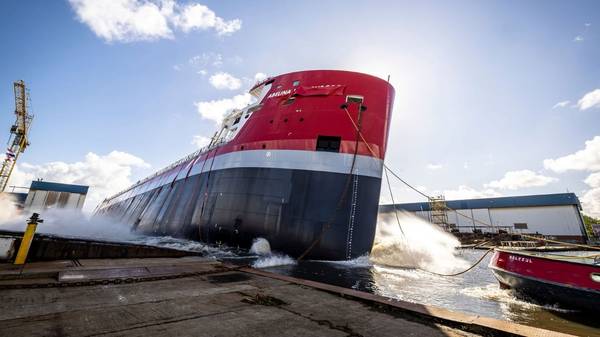
Wagenborg launches first EasyMax 2.0 vessel, prepared for methanol, ammonia and LNG
Abelina Wagenborg, built at Niestern Sander, is the first of a new generation designed for multiple alternative fuels. |
|
|
|
||
|
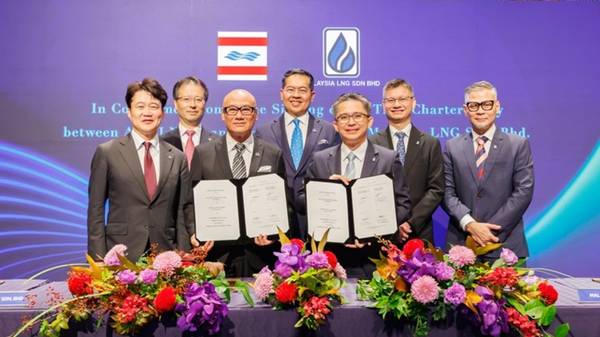
NYK–MISC joint venture signs charter for 18,700-cbm LNG carrier with Malaysia LNG
Asia LNG Transport will operate the dual-fuel diesel-electric newbuild, due from Hudong-Zhonghua in 2028, on routes to Japan. |
|
|
|
||

|
Study finds methanol dual-fuel retrofit of Kamsarmax bulk carrier would take about 75 days
Report by Mærsk Mc-Kinney Møller Center, involving Tsuneishi, puts conversion costs at 25–30% of the cost of a conventionally fuelled newbuilding. |
|
|
|
||
|
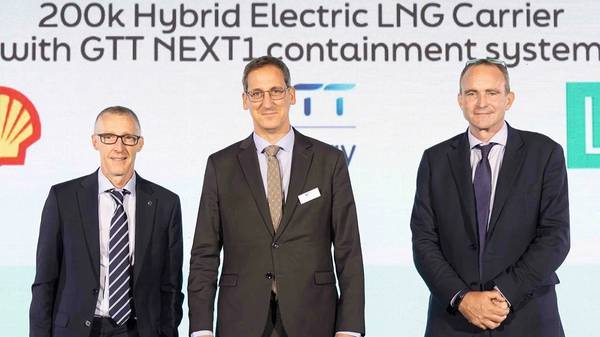
Lloyd's Register, Shell and GTT launch joint project on hybrid-electric 200,000-cbm LNG carrier
Partners to develop a concept combining hybrid-electric propulsion with GTT NEXT1 cargo containment technology for larger LNG carriers. |
|
|
|
||
|
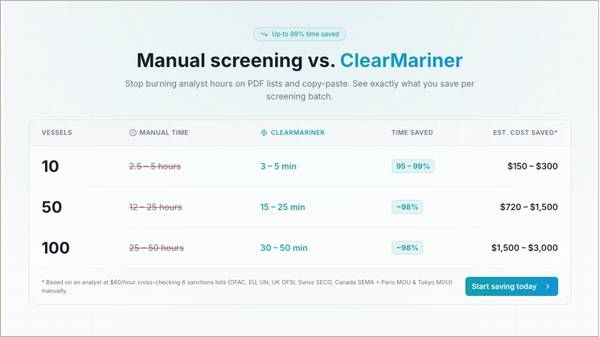
ClearMariner expands maritime sanctions screening with ESG, emissions and API support
Online service now combines sanctions checks with voyage CO₂, CII, EU ETS and FuelEU Maritime estimates. |
|
|
|
||

|
Flex Commodities adds Long Jing Xin to Singapore marine fuels team
Company appoints associate for marine fuels as part of plan for regional expansion. |
|
|
|
||
| Singapore 12-month bunker calls hit all-time high in July [News & Insights] |
| Singapore T3M bunker sales stay below 14m tonnes for fourth month running [News & Insights] |
| Burando Energies claims 30% share of Rotterdam biofuel bunker market in H1 2026 [News & Insights] |
| World Kinect marine segment posts record quarterly gross profit amid bunker price volatility [News & Insights] |
| Rotterdam records 0.4% rise in total throughput for H1 2026 [News & Insights] |
