
 |
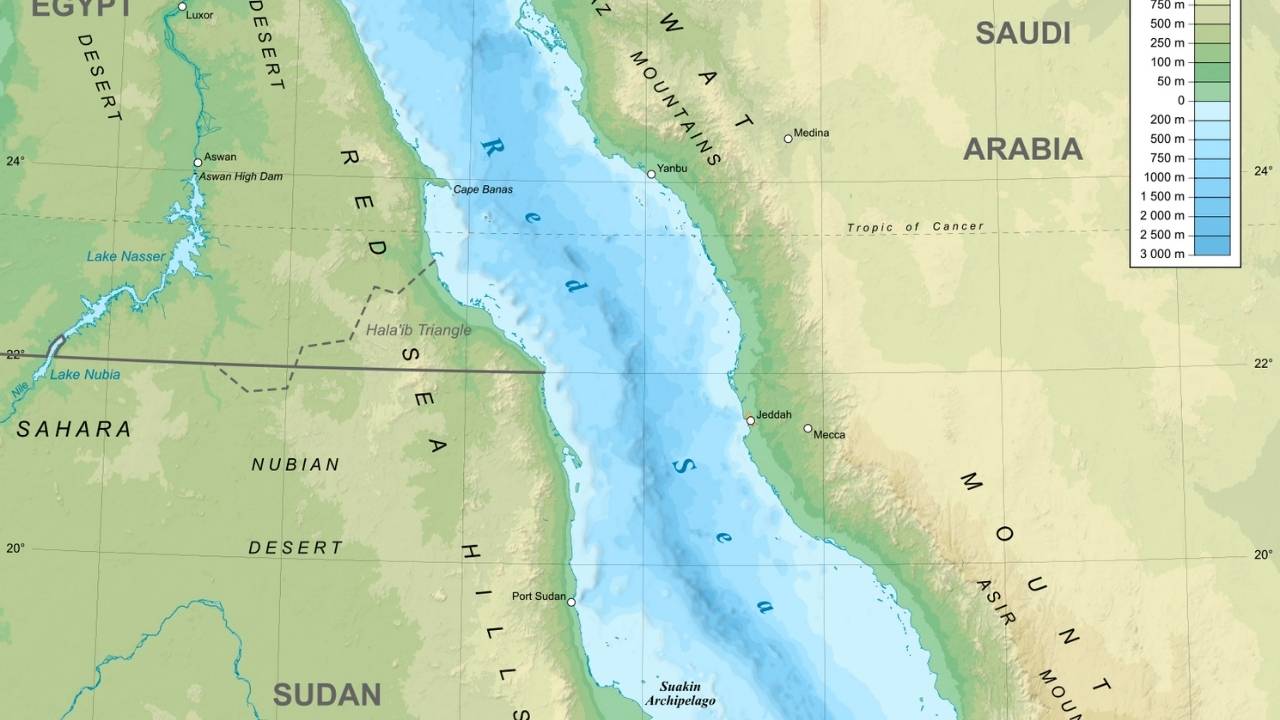
Red Sea hostilities are forcing widespread maritime diversions around the Cape of Good Hope, and bunker supplier Peninsula is warning of a “perfect storm” for global tanker operators as surging tonne-mile demand collides with stringent Mediterranean emissions regulations.
With the Bab el-Mandeb Strait increasingly bypassed, vessels that would normally exit the Red Sea eastbound are instead transiting north via the Suez Canal and navigating westbound through the Mediterranean as part of longer rerouted voyages. According to Peninsula, this detour could more than double normal tonne-mile demand versus a Bab el-Mandeb eastbound exit. For a typical Suezmax tanker — the largest class of vessel able to transit the Suez Canal fully laden — the diversion is said to require around 1,500 tonnes of additional fuel, at a cost of approximately $800,000 and an emissions footprint of roughly 3,800 tonnes of CO₂.
Spot rates for Suezmax vessels are already rising, Peninsula noted, triggering a scramble to cover cargoes ahead of the full tonne-mile effect taking hold.
Kenny MacLean, Chief Operations Officer at Peninsula, stated: “The industry could be dealing with a sudden, significant increase in fuel consumption. This is more complex than simply plotting a longer course — it will require a fundamental recalibration of voyage economics that will squeeze global bunker supply at a time when demand already outstrips supply.”
Beyond raw fuel costs, Peninsula is highlighting what it describes as a regulatory blind spot for rerouted vessels: the Mediterranean Emission Control Area (Med ECA). Under Med ECA rules, vessels transiting the Mediterranean must burn fuel with a maximum sulphur content of 0.1%, rendering standard very-low-sulphur fuel oil (VLSFO) non-compliant. Operators must instead switch to marine gas oil (MGO) or suitable biofuels before entering the region.
Peninsula notes that European authorities are increasingly deploying so-called “sniffer drones” to remotely analyse vessel emissions in real time, meaning operators who fail to secure compliant fuel risk fines and vessel detentions.
The shift in maritime traffic routes is expected, according to Peninsula, to redraw the global bunkering map, with significantly increased demand anticipated at alternative supply ports along the revised route. These include Port Said, Malta, Gibraltar, Algeciras, Las Palmas, Algoa Bay and Port Louis.
Richard Alvarez, Global Head of Sales at Peninsula, commented: “Operators are navigating a regulatory and logistical minefield. Securing compliant fuel conveniently, in the right location, in a rising price environment is now the defining challenge of these deviated voyages.
“As supply tightens at alternative bunker hubs, the ability to rely on suppliers with a globally integrated supply network and deep access to multi-product cargoes will prove critical to minimise disruption and avoid the costs of non-compliance.”
|
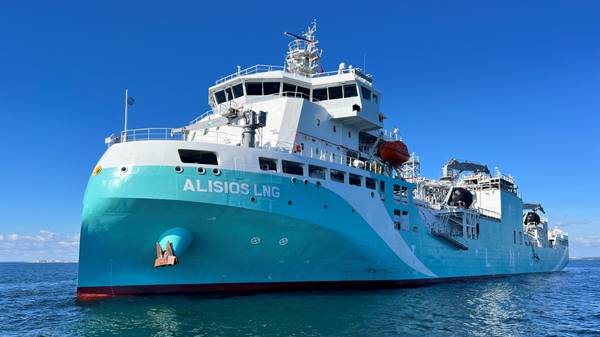
Axpo completes first LNG bunkering in Valencia, with over half bio-LNG
Ship-to-ship transfer to a container vessel makes Valencia the company's fourth Spanish port for LNG bunkering. |
|
|
|
||
|
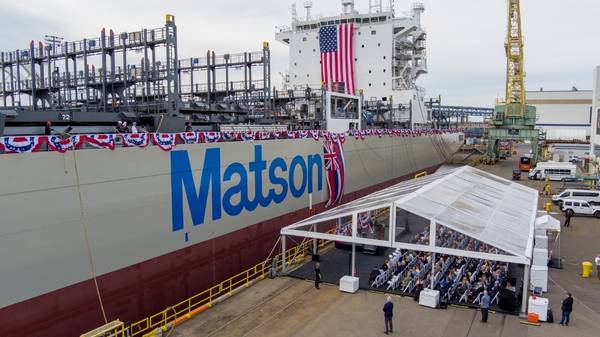
Matson christens Makua, first of three LNG-ready Aloha Class container ships
Dual-fuel vessel, due for delivery in early 2027, is the first of three ships worth around $1bn. |
|
|
|
||
|
CMB.Tech seeks Singapore-based ammonia operations manager for Asia Pacific
New hire will oversee ammonia chartering and bunkering and liaise with Far East partners. |
|
|
|
||
|
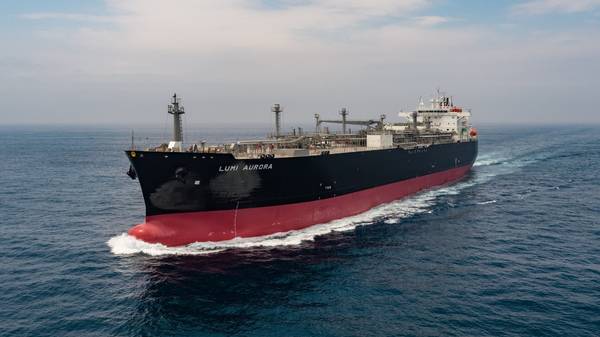
IINO Lines deploys first Ice Class IB VLGC on long-term charter to Borouge International
LPG-fuelled Lumi Aurora will carry North American gas to Borouge International's Porvoo plant in Finland. |
|
|
|
||
|
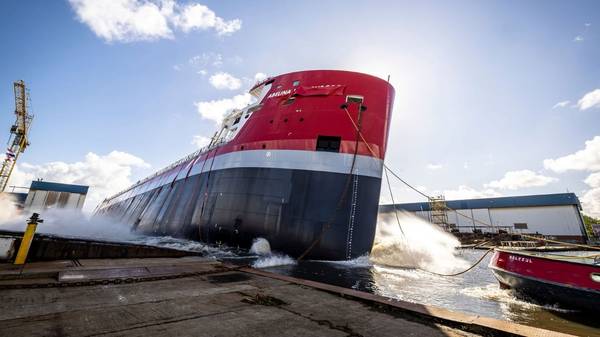
Wagenborg launches first EasyMax 2.0 vessel, prepared for methanol, ammonia and LNG
Abelina Wagenborg, built at Niestern Sander, is the first of a new generation designed for multiple alternative fuels. |
|
|
|
||
|
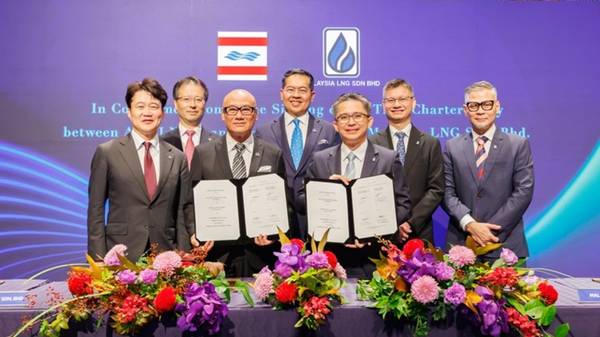
NYK–MISC joint venture signs charter for 18,700-cbm LNG carrier with Malaysia LNG
Asia LNG Transport will operate the dual-fuel diesel-electric newbuild, due from Hudong-Zhonghua in 2028, on routes to Japan. |
|
|
|
||

|
Study finds methanol dual-fuel retrofit of Kamsarmax bulk carrier would take about 75 days
Report by Mærsk Mc-Kinney Møller Center, involving Tsuneishi, puts conversion costs at 25–30% of the cost of a conventionally fuelled newbuilding. |
|
|
|
||
|
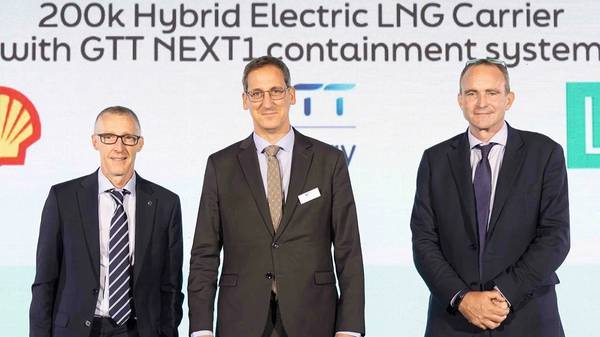
Lloyd's Register, Shell and GTT launch joint project on hybrid-electric 200,000-cbm LNG carrier
Partners to develop a concept combining hybrid-electric propulsion with GTT NEXT1 cargo containment technology for larger LNG carriers. |
|
|
|
||
|
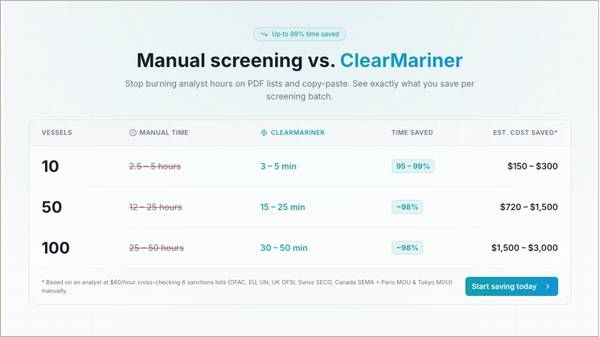
ClearMariner expands maritime sanctions screening with ESG, emissions and API support
Online service now combines sanctions checks with voyage CO₂, CII, EU ETS and FuelEU Maritime estimates. |
|
|
|
||

|
Flex Commodities adds Long Jing Xin to Singapore marine fuels team
Company appoints associate for marine fuels as part of plan for regional expansion. |
|
|
|
||
| Peninsula welcomes 2026 graduate cohort across global bunkering network [News & Insights] |
| Biofuel adoption in shipping shifts from debate to delivery, says Peninsula's Jeroen de Vos [News & Insights] |
| Peninsula completes first LNG bunkering operation at Sagunto [News & Insights] |
| Peninsula and Evos sign MoU to develop biofuel storage at Algeciras terminal [News & Insights] |
| Peninsula outlines case for bio-LNG as near-term emissions pathway for LNG-fuelled vessels [News & Insights] |
