
 |
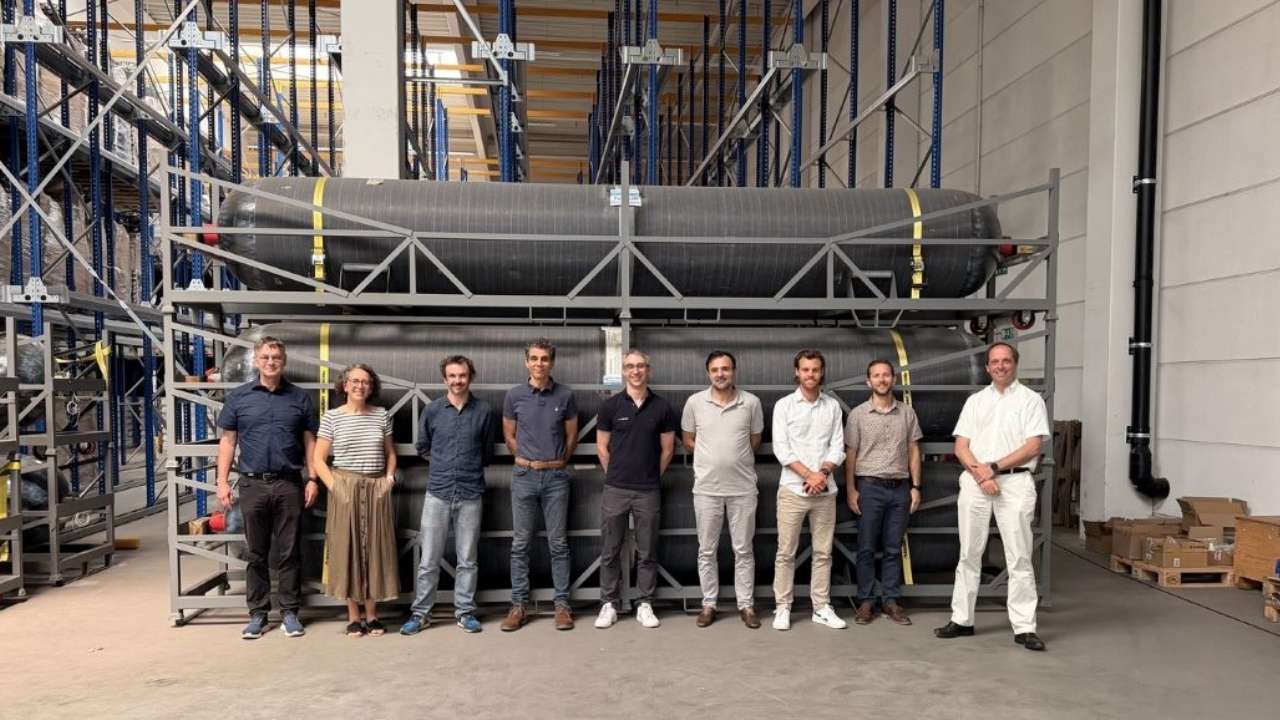
A technical workshop focused on the integration of hydrogen in maritime applications was recently hosted by ARGO-ANLEG in Wesel, Germany, with Bureau Veritas Marine & Offshore joining representatives from France's Directorate General for Maritime Affairs, Fisheries and Aquaculture (DGAMPA)
The workshop brought together industry, regulatory and classification experts to examine the technical and regulatory challenges associated with deploying hydrogen aboard vessels.
Attendees were given a tour of ARGO-ANLEG's production facilities, where equipment on show included integrated drilled block assemblies, the H2tanktainer, mobile hydrogen refuelling stations, onboard hydrogen storage systems being assembled and hydrogen test benches. The company also presented its maritime projects, covering system architecture, component operating principles, and the process safety and approval approaches underpinning its development.
A key conclusion drawn from the discussions, according to Bureau Veritas, was that deploying hydrogen at sea requires more than innovative technology alone. Early regulatory engagement, robust system engineering, safety demonstration, testing and crew preparedness were all identified as necessary elements for safe and scalable deployment.
Participants emphasised the need to engage with the flag administration from the outset of a project in order to establish the appropriate approval pathway. Early dialogue, they argued, helps define the applicable regulatory framework, clarify expectations for safety assessments and documentation, and determine the respective roles of the flag administration and the classification society before key design decisions are finalised.
The workshop also examined the concept of essential systems and the associated implications for documentation, redundancy and compliance demonstration. Discussions covered the value of type approval certification (TAC) in supporting innovative hydrogen equipment, the role of crew training for the operation and maintenance of hydrogen systems, and the influence of installation arrangements and operational conditions on onboard safety.
Participants also reviewed ongoing developments at the International Maritime Organization (IMO) and the evolution of the International Code of Safety for Ships Using Gases or Other Low-flashpoint Fuels (IGF Code), noting the need for continued collaboration as the regulatory framework for hydrogen technologies develops.
The workshop concluded by identifying opportunities for further cooperation on approval pathways, certification activities and knowledge sharing.
Bureau Veritas said it has been active in supporting the development of hydrogen-powered maritime applications through the certification of hydrogen-related equipment and the classification of vessels using hydrogen for onboard power generation — whether for electrical services and auxiliary systems or for propulsion. The classification society said it works with technology developers, shipowners, shipyards and regulatory authorities on safety assessment, classification and certification related to hydrogen technologies across the maritime sector.
|
IBIA to host ethanol marine fuel workshop in New York
Limited-capacity session will examine ethanol’s commercial, technical and regulatory prospects as a shipping fuel. |
|
|
|
||

|
Corvus Energy’s Blue Whale NxtGen battery system gains DNV type approval
DNV approval confirms the safety and performance of Corvus Energy’s large-scale battery system for ferries, cruise ships and offshore vessels. |
|
|
|
||
|
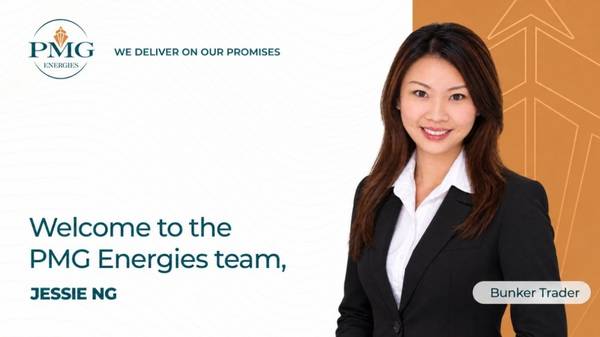
PMG Energies appoints Jessie Ng as bunker trader in Singapore
Bunker firm adds experienced trader to Singapore team. |
|
|
|
||
|
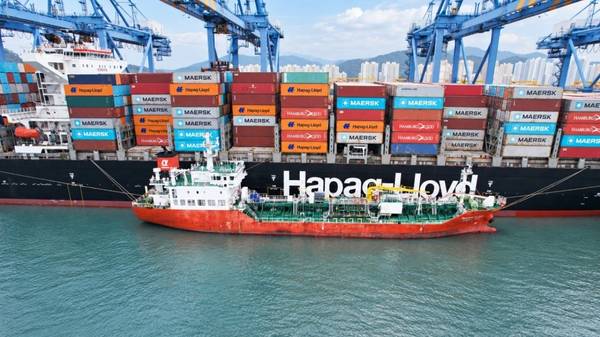
Hapag-Lloyd completes simultaneous-operations biomethanol bunkering in Busan
Container line bunkers ISCC EU-certified biomethanol from Goldwind during SIMOPS, advancing its 2024 supply agreement. |
|
|
|
||
|
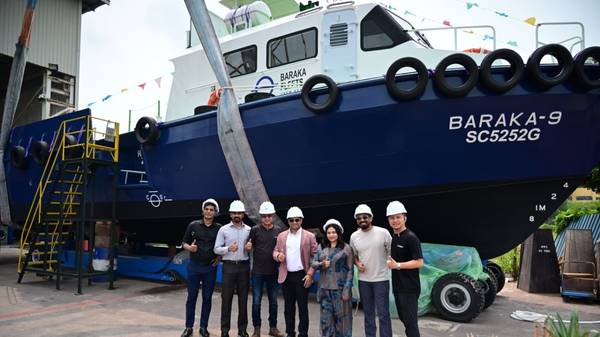
Pinnacle Marine launches B100-compatible harbour craft Baraka-9 for Trans Wave
Singapore shipbuilder adds another biodiesel-ready vessel to a fleet renewal programme aimed at harbour craft decarbonisation. |
|
|
|
||
|
Glander International Bunkering creates European commercial director role, appoints Rune Kongstein
Marine fuels firm is aligning its European operations under a single commercial leadership structure. |
|
|
|
||
|
VPS to run marine fuel management course in the Netherlands this November
Two-day training programme covers fuel quality, handling and decarbonisation regulations. |
|
|
|
||
|
Wind-assisted propulsion 'no longer just a concept', ICS panel says
Shipowners weigh wind power as a practical, low-risk route towards decarbonisation targets. |
|
|
|
||
|
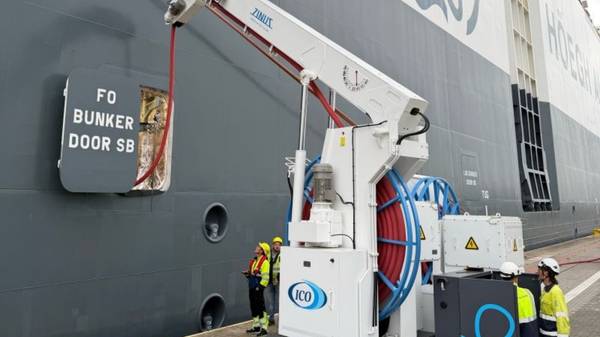
Höegh Autoliners vessel connects to shore power for the first time in Europe
Höegh Starlight used 11 kV shore power in Zeebrugge, allowing it to switch off its auxiliary engines while alongside. |
|
|
|
||
|
Chinese shipbuilder ROC signs deal for up to eight methanol-ready CSOVs
Contract signed with European shipowner for vessels designed for offshore wind farm maintenance work. |
|
|
|
||
| IBIA to host ethanol marine fuel workshop in New York [News & Insights] |
| Wind-assisted propulsion 'no longer just a concept', ICS panel says [News & Insights] |
| Changhong International launches eighth LNG dual-fuel container ship for MSC [News & Insights] |
| HD Hyundai completes type approval test for new LNG dual-fuel engine [News & Insights] |
| Ceremonies held for Van Oord’s methanol-hybrid rock installation vessels [News & Insights] |
