
 |
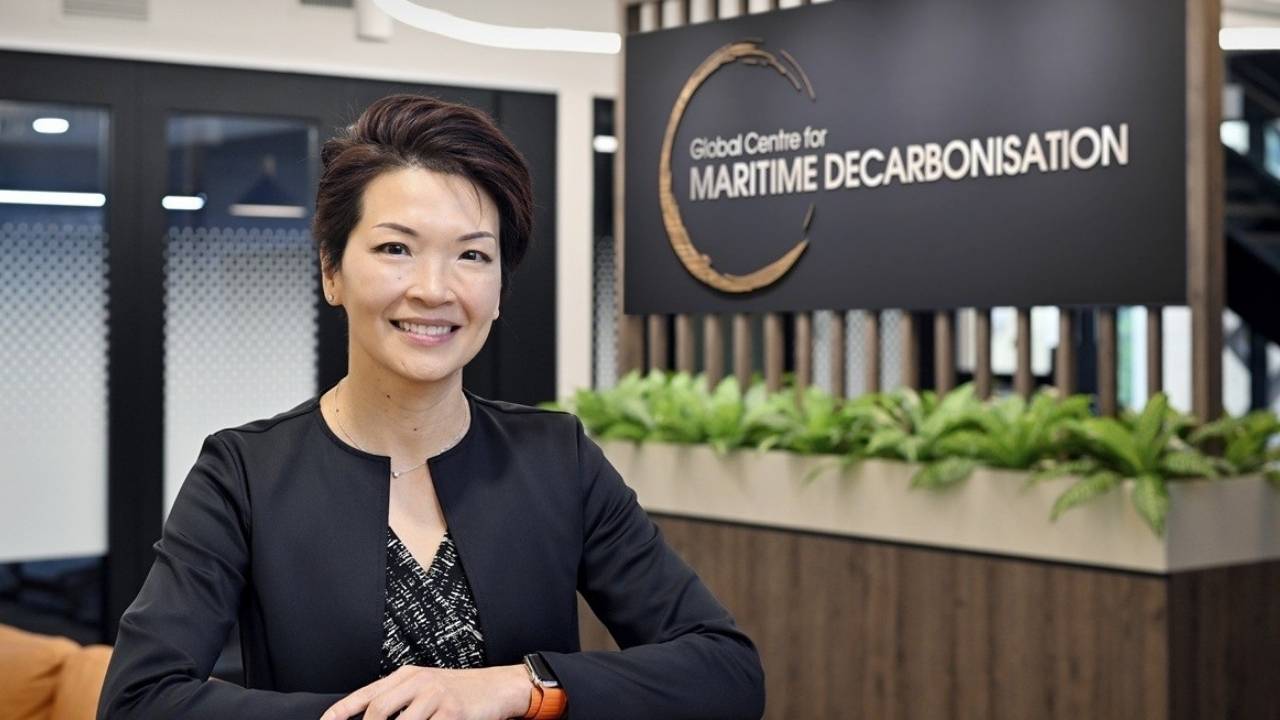
Project CAPTURED, a multi-partner initiative coordinated by the Global Centre for Maritime Decarbonisation (GCMD), has secured two regulatory developments that advance the commercial viability of onboard carbon capture and storage (OCCS) in shipping.
The EU Emissions Trading System (EU ETS) has formally accepted that CO₂ captured onboard vessels can be deducted from a vessel's reported emissions, reducing the number of EU Allowances (EUAs) that must be surrendered. Separately, the International Maritime Organization (IMO) gave in-principle support at MEPC 84 to recognise carbon mineralisation as a form of permanent CO₂ storage — complementing geological sequestration, which the IMO already accepts.
Both outcomes stem from a pilot completed in June 2025, in which Project CAPTURED demonstrated an end-to-end value chain for onboard captured and liquefied CO₂ (LCO2). The pilot showed that CO₂ captured aboard a vessel could be offloaded ship-to-ship, transported overland, and permanently bound through carbon mineralisation — a process that converts captured CO₂ into stable materials for industrial use.
To qualify for the EU ETS deduction, the captured CO₂ must be chemically and permanently bound in eligible products. Project CAPTURED demonstrated that CO₂ captured onboard can meet this requirement through carbon mineralisation.
According to GCMD, the pilot maintained CO₂ purity above 99.95 vol% at all custody-transfer points. A life-cycle assessment carried out by GCMD found that the pilot achieved a 7.9% net greenhouse gas (GHG) reduction, based on a gross capture rate of 10.7% onboard. GCMD claims that an optimised value chain based on the same gross capture rate could deliver GHG savings of 17.8%.
The IMO's in-principle recognition of carbon mineralisation, according to GCMD, broadens the downstream options for CO₂ captured onboard vessels and supports the development of maritime carbon value chains. Beyond providing a permanent storage pathway, carbon mineralisation also creates the potential for captured CO₂ to serve as a feedstock for industrial applications, which GCMD says could extend emissions reductions beyond the shipping sector.
GCMD brought together 11 partners across the maritime and industrial sectors for the project, including SMDERI-QET, Evergreen Marine Corp, Zhoushan Dejin Shipping, and Greenore/Baorong.
Professor Lynn Loo, CEO of GCMD, stated: "Project CAPTURED has moved OCCS beyond technical demonstration. The acceptance of the EU ETS deduction gives captured CO₂ a compliance value. At the same time, IMO's in-principle support for carbon mineralisation will help clarify how captured CO₂ can be treated after it leaves the vessel. Together, these milestones turn a pilot into a verified reference case for maritime carbon logistics, one that links regulatory recognition, commercial value and emissions impact."
Dr Su Yi, General Manager of SMDERI-QET, commented: "Project CAPTURED has demonstrated that captured CO₂ can be transferred from ship to ship and converted into construction materials. We have now taken a further step by achieving carbon deductions under the EU ETS, which means we have further explored the possibilities of the maritime carbon value chain. The IMO's in-principle support for carbon mineralisation means that our pathway is repeatable, offering a feasible blueprint for future emissions reductions in the shipping industry."
|
World Fuel seeks marine fuel sales executive in Singapore
Role requires more than five years' experience in bunkering, trading, energy or commodities. |
|
|
|
||
|
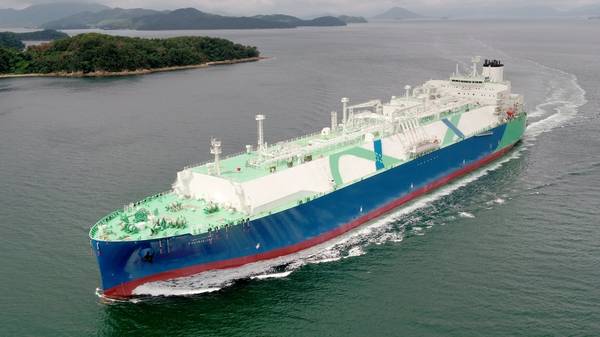
MISC names first of three new LNG carriers for QatarEnergy charter deal
Th'ailib, chartered to QatarEnergy for 15 years, extends MISC's long-term LNG fleet partnership with the energy producer. |
|
|
|
||
|
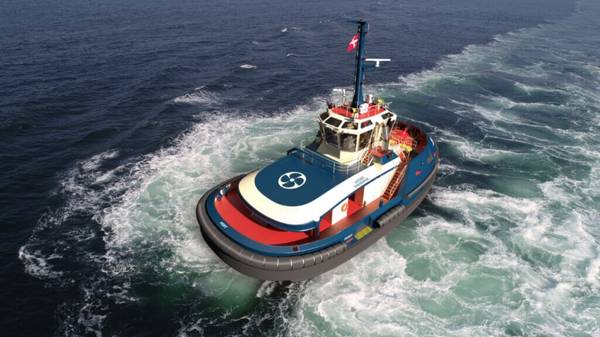
AYK Energy to supply batteries for Kongsberg Maritime’s electric Svitzer tugs
Battery maker AYK Energy expands its workboat portfolio with a deal to power four fully electric Svitzer TRAnsverse tugs. |
|
|
|
||
|
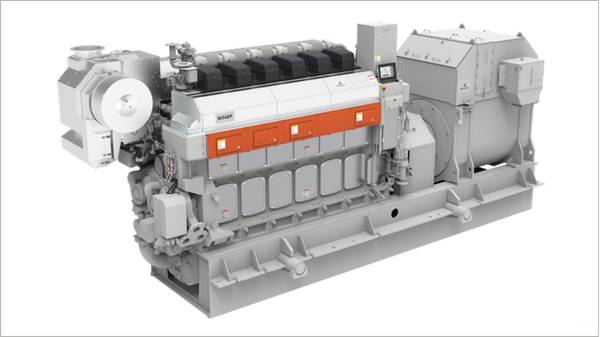
Wärtsilä to supply dual-fuel engines for 12 CMA CGM container ships
Wärtsilä will deliver 36 LNG dual-fuel engines for a dozen new 18,000-TEU container vessels being built for CMA CGM. |
|
|
|
||
|
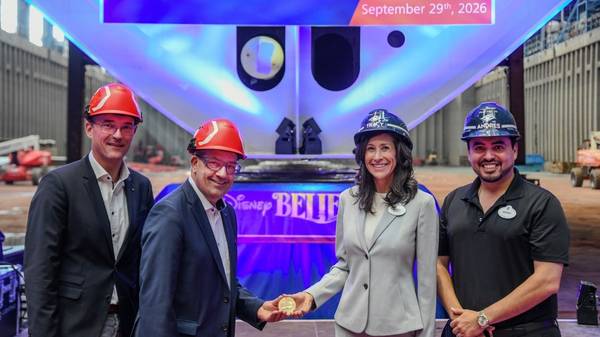
Keel-laying ceremony held for LNG-powered Disney Believe at Meyer Werft
Construction starts on second gigablock of Disney Believe, the fourth vessel in Disney Cruise Line’s Wish class. |
|
|
|
||
|
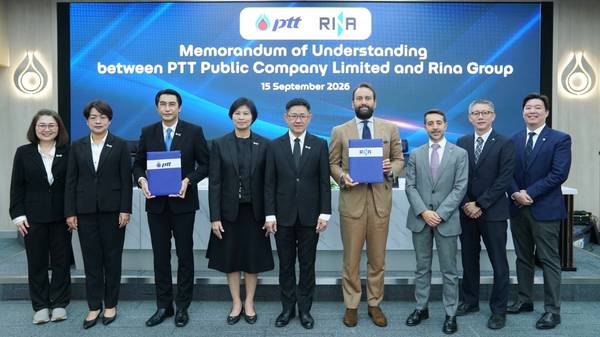
RINA and Thailand’s PTT sign MoUs to collaborate on decarbonisation technologies
Agreements establish a research and knowledge-sharing framework covering alternative fuels, hydrogen readiness and vessel electrification across the energy and maritime sectors. |
|
|
|
||
|
IBIA to host ethanol marine fuel workshop in New York
Limited-capacity session will examine ethanol’s commercial, technical and regulatory prospects as a shipping fuel. |
|
|
|
||
|
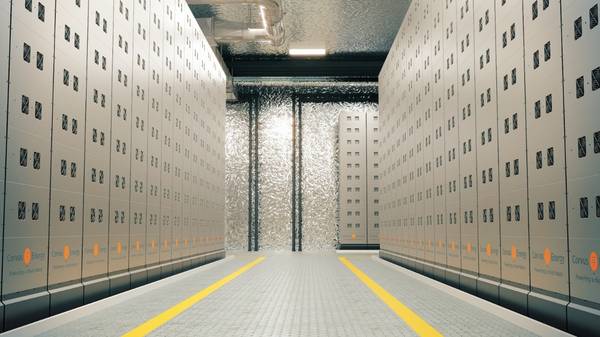
Corvus Energy’s Blue Whale NxtGen battery system gains DNV type approval
DNV approval confirms the safety and performance of Corvus Energy’s large-scale battery system for ferries, cruise ships and offshore vessels. |
|
|
|
||
|
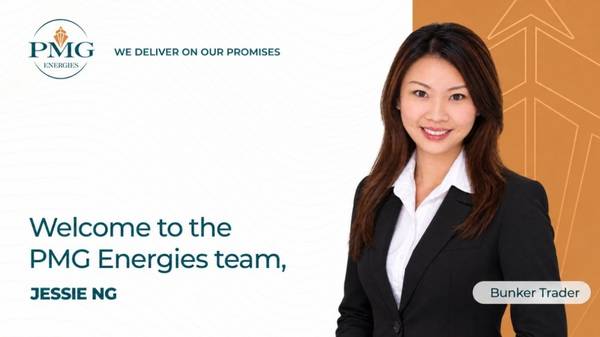
PMG Energies appoints Jessie Ng as bunker trader in Singapore
Bunker firm adds experienced trader to Singapore team. |
|
|
|
||
|
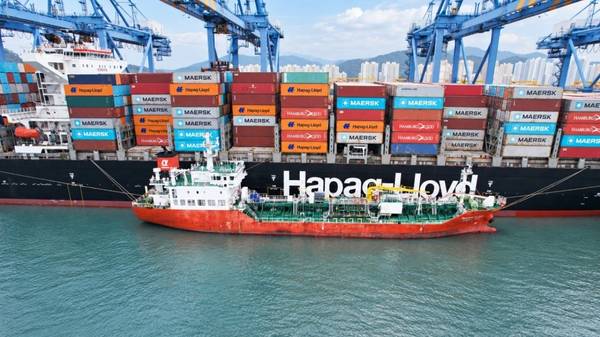
Hapag-Lloyd completes simultaneous-operations biomethanol bunkering in Busan
Container line bunkers ISCC EU-certified biomethanol from Goldwind during SIMOPS, advancing its 2024 supply agreement. |
|
|
|
||
| Electric and hybrid ferries could cut Sea of Marmara emissions by 63%, IMO study finds [News & Insights] |
| NYK shares two years of ammonia-fuelled tugboat data with IMO [News & Insights] |
| IMO and EMSA gather maritime experts to address seafarer training for alternative fuels [News & Insights] |
| IMO seminar examines technical hurdles facing ammonia as a marine fuel [News & Insights] |
| IMO seminar examines technical hurdles facing ammonia as a marine fuel [News & Insights] |
