A Demanding Environment
Across the United States, many vessels operating offshore and across the country's inland water ways are powered by high-speed engines. These engines provide one of the most demanding lubrication environments for engine oils to manage.
Engines frequently run at high loads, switching between long periods of continuous operation and shorter stints alternating between idling, standby and high loads during manoeuvring.
Such load changes, temperature variations and extreme conditions, along with the unique operating profile vessels encounter, place extreme stress on engine oils. This results in leading equipment manufacturers (OEMs) typically recommending drain intervals averaging only 250 operating hours. As a consequence, operators regularly assess the use of synthetic based oils, given the performance and commercial benefits that can be realised based upon extended drain intervals.
Whilst synthetic oils offer clear and significant performance advantages, the successful adoption and monetisation of a higher unit cost base product depends upon implementing a structured and effective oil analysis program.
The Synthetic Difference
As engine designs, pressures and temperatures have continued to evolve to keep pace with fuel efficiency needs and requirements, a similar situation has evolved across lubricating oils. With higher pressures and temperatures, the stress on the oil has never been greater — requiring sufficient viscosity, stability, oxidation control and wear protection capabilities to be prioritised by lubricant formulators.
Synthetic oils are typically granted a longer drain interval by the equipment manufacturer (OEM) and are proven to be able to achieve this due to their high Viscosity Index (VI) capabilities and the largely uniform molecular structure when compared to mineral oils.
In mineral-based oils, molecules can vary in size and shape — leading to inconsistent lubrication and film creation and, most importantly, can exhibit a quicker breakdown under heat and increased rate of oxidation. This leads to the low 250 operating hour drain interval typically recommended in operation.
In theory, synthetic oils have been proven to be able to significantly extend drain intervals to more than 5-6 times the OEM recommended mineral equivalent, with no performance or reliability issues. However, monetising and ensuring that this is completed requires a mindset shift from scheduled drain intervals to a condition-based approach based upon routine oil analysis. Adjusting and extending drain intervals can mitigate the most common issue that challenges this practice, which is external contamination in the form of fuel dilution or water ingress.
External Contamination and Fuel Dilution
Due to the operational nature of many vessels which use high-speed engines as a primary source of propulsion, fuel dilution and water ingress are some of the most common occurrences of external contamination, limiting the lifespan of lubricants within engines.
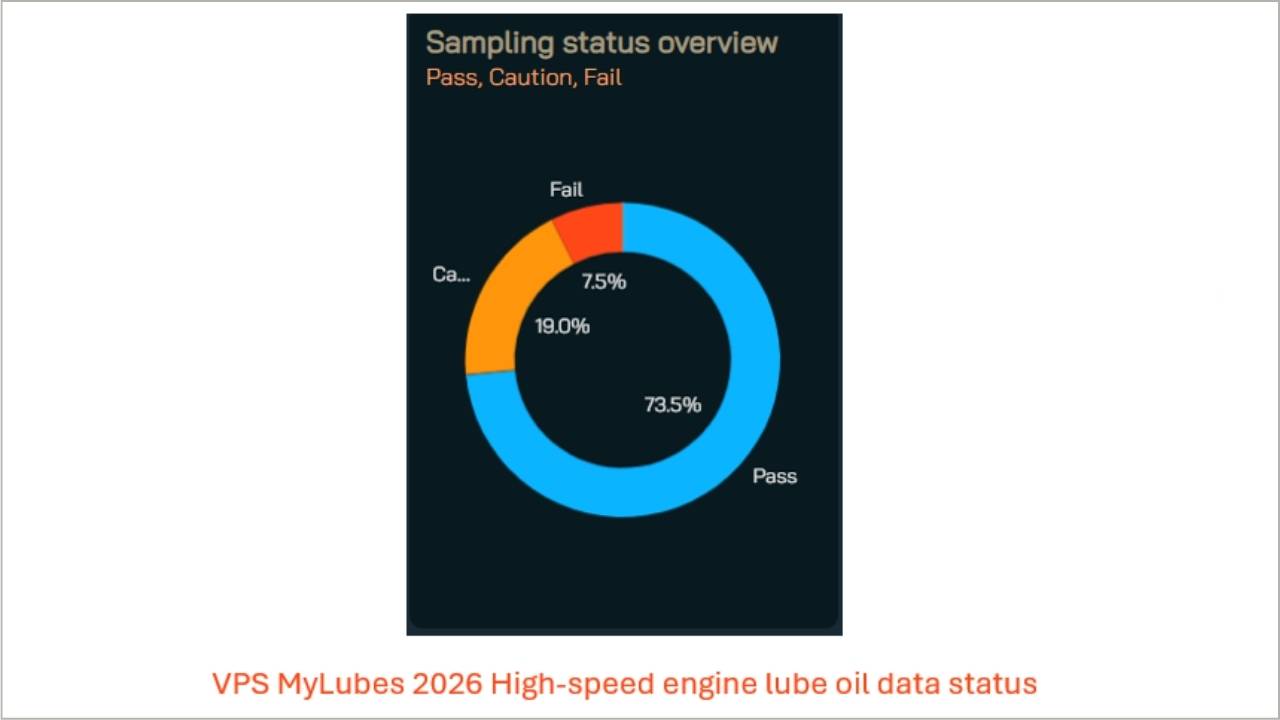
Through leveraging VPS’ MyLubes digital application, extracting results reported so far in 2026, it can be seen that approximately 26% of all high-speed engine oil analysis in which distillate fuels were in operation were reported as either a caution or an alert against relevant limits.
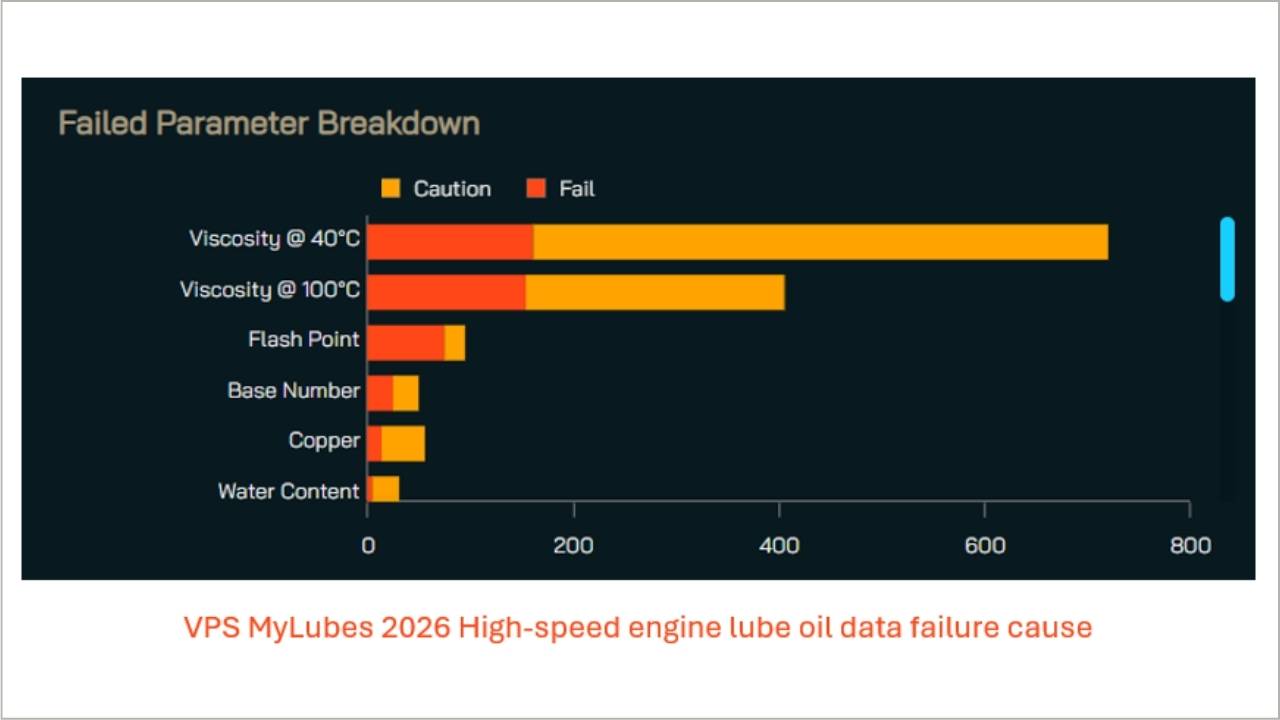
70% of the cautions and failures reported were associated with a combination of viscosity, flash point, or base number, highlighting the fuel–lubricant interaction, as viscosity failures covered both elevated and lower viscosity values. Elevated viscosity is a sign of oxidation, while lower viscosity indicates fuel dilution.
Fuel dilution is when fuel enters the crankcase or sump and mixes with the engine oil in the system. Typically, it is distillate fuel (marine gas oil) which is the fuel choice for these engines.
Vessels that are more susceptible to fuel dilution are vessels which operate on frequent start-stop cycles, prolonged idling and low-load operation, where operational profiles require short bursts of high load. This can promote fuel ingress into the lubricating oil.
Critically, when looking to maximise lubricant lifespan, VPS data shows that approximately 23% of caution/failed high-speed engine oil analysis results are due to fuel dilution, highlighting that in these instances, either mineral or synthetic based lubricants are not being maximised.
Fuel dilution has a direct impact on overall lubricant performance, notably:
Mineral and synthetic based oils are both equally susceptible to fuel dilution occurring. In addition, there are financial considerations to manage fuel dilution when synthetic products are in place due to the increased unit cost. Ensuring prompt detection and resolution is the most effective tool to effectively minimise the real-world impact of fuel dilution on lubrication strategies.
Monetising a more costly lubricant
Whilst typical mineral based engine oils drain intervals are approximately 250-500 hours, depending upon the engine make and model, synthetic oils have been able to extend drain intervals to over 2000 hours. The benefit to operators is clear on paper, with synthetic oils typically costing 2-3 times more than mineral equivalents. Provided drain intervals are extended beyond 3 times the mineral equivalent, a significant budget saving can be achieved by the operator.
Notably this creates a shift in operating mentality, moving from a time-based approach to a condition-based assessment of oil quality, meaning that a robust oil analysis programme and sampling interval becomes more important, not less.
In addition to providing the most effective early warning with regards to fuel dilution and contamination, a robust oil condition monitoring (OCM) programme is the critical enabler to safely and reliably extending drain intervals with synthetic, or mineral-based engine oils.
At a high level, based upon operational experience, VPS’s core recommendations for an effective programme to support extended drains include:
Lowering Cost
Fundamentally, with high-speed diesel engines being the workhorse of inland waterborne transportation and offshore vessels, lubricants will be a critical part of the total system and subsequent operating cost.
Synthetic-based products offer a benefit on paper when compared to mineral oils; however, if such products are consumed at the same rate as mineral oils, there is no benefit to expenditure, and more money is spent for the same outcome.
Drain intervals can only be safely extended — and subsequently monetised — through a robust oil analysis programme. In the demanding environment of inland and offshore operations, oil analysis provides more than a measure of lubricant condition; it also delivers valuable insight into the condition of the engine itself. By routinely monitoring oil health, identifying contamination, wear trends and degradation at an early stage, operators can take timely corrective action, protect engine reliability, extend oil life and ultimately reduce operating costs
By Joe Star, VPS Strategic Account Manager; with editing by Bunker Index staff
|
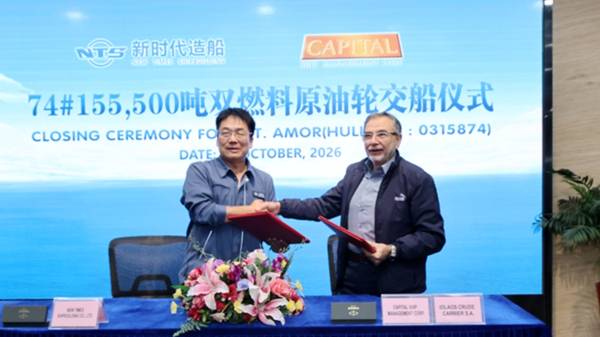
LNG dual-fuel crude tanker handed over to Capital
Jiangsu New Times Shipbuilding delivers the 155,500-DWT LNG dual-fuel crude oil vessel Amor. |
|
|
|
||

|
Gasum names Lowina Lundström as vice president, biogas
Former EIT InnoEnergy executive joins Gasum's management team to lead biogas business development from 1 December. |
|
|
|
||
|
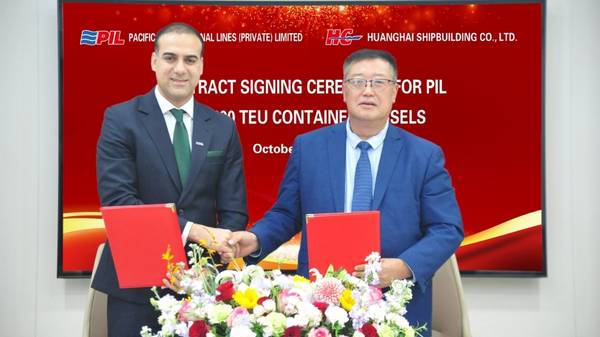
PIL orders seven methanol-ready feeder vessels from Huanghai Shipbuilding
Singapore carrier's 1,400-TEU newbuilds will boost intra-Asia capacity and support its 2050 net zero target. |
|
|
|
||
|
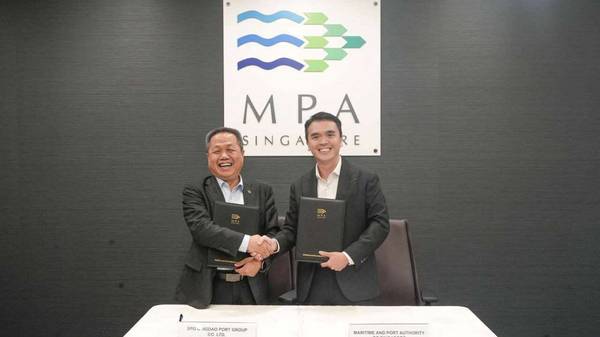
Singapore and Qingdao sign work plan to advance green and digital shipping corridors
MPA and Shandong Port Group’s Qingdao Port have agreed to pursue methanol bunkering pilots and data-sharing initiatives between the two ports. |
|
|
|
||
|
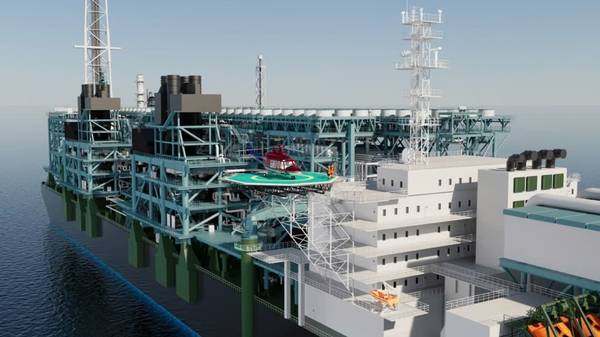
Wärtsilä to supply dual-fuel engines and thrusters for Delfin Midstream's FLNG vessel
Finnish technology group lands propulsion order for first floating LNG vessel built for US Gulf export project. |
|
|
|
||
|
Uni-Fuels advertises for senior bunker trader in Dubai
Nasdaq-listed firm recruiting for its trading team as it aims to drive growth. |
|
|
|
||
|
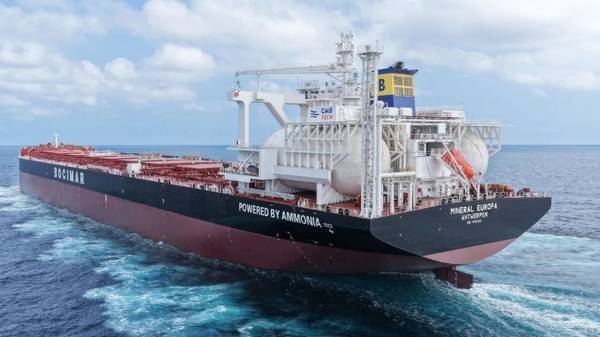
Green ammonia bunkered to ammonia-powered bulk carrier in Australian first
Pilbara Ports, Fortescue and CMB.Tech complete a ship-to-ship ammonia transfer at Port Hedland, supporting plans for a clean fuel bunkering hub in the region. |
|
|
|
||
|
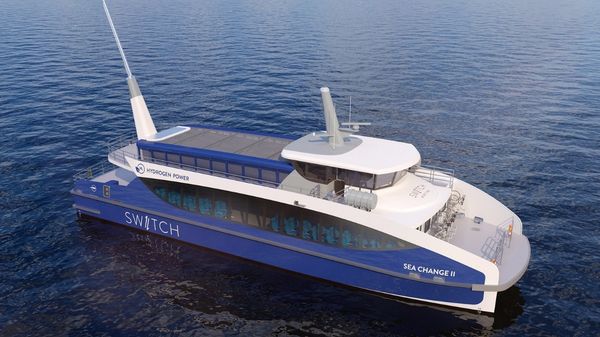
US Coast Guard agrees design framework for hydrogen-fuelled New York ferry
Switch Maritime and Incat Crowther reach regulatory agreement for a 150-passenger hydrogen fuel cell-electric fast ferry intended for New York's waterways. |
|
|
|
||
|
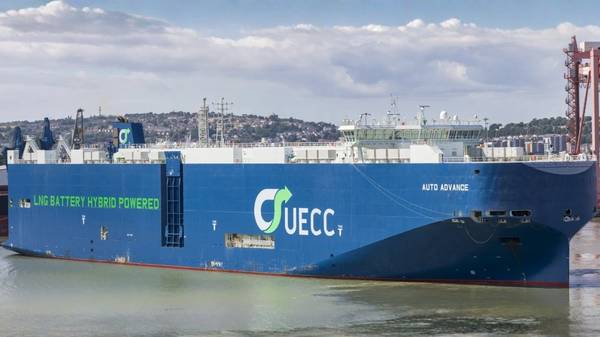
UECC fits WE Tech hybrid power systems on newbuild ro-ro vessels
Norwegian short-sea operator says battery and shaft generator technology from WE Tech Solutions has cut fuel use and auxiliary engine reliance on three newbuilds. |
|
|
|
||
|
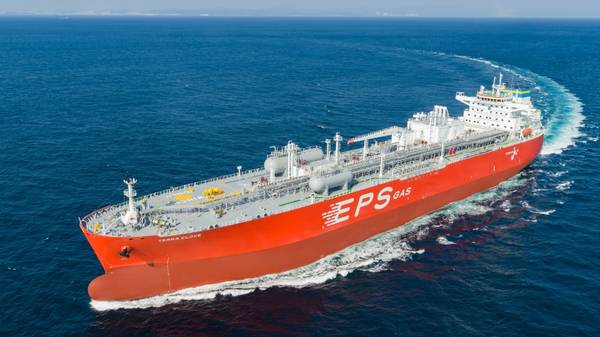
Envision's green ammonia used to bunker world's first VLAC
Chinese energy group supplies vessel owned by Eastern Pacific Shipping as it links production and marine fuel supply chains. |
|
|
|
||
| VPS to host Athens seminar on fuel efficiency and carbon reduction [News & Insights] |
| Singapore launches series of measures at SIBCON 2026 [News & Insights] |
| VPS outlines marine fuel standards and quality data at SIBCON 2026 [News & Insights] |
| Singapore launches ammonia bunkering code and new standards for fuel sampling and polymer testing [News & Insights] |
| Singapore safety council inspects methanol bunker tanker Golden Centaurus [News & Insights] |