
 |
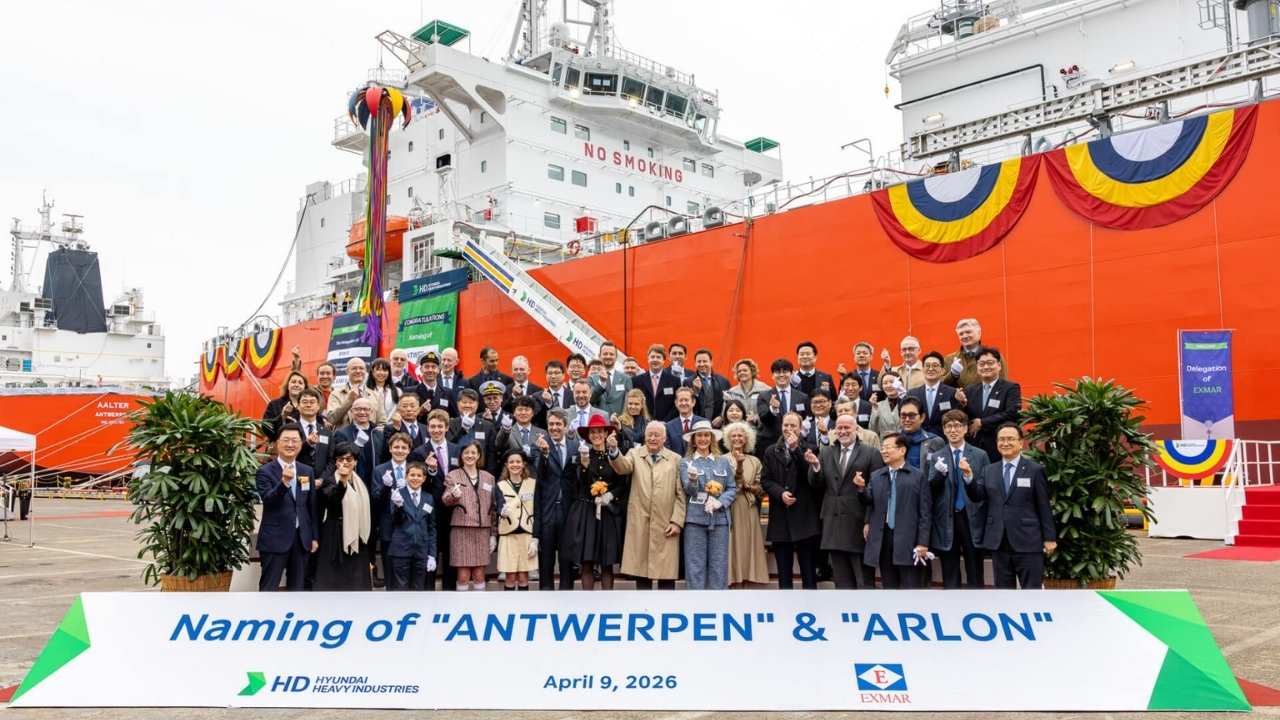
Exmar has named two ammonia dual-fuel mid-size gas carriers (MGCs) in South Korea, describing them as the world’s first ocean-going vessels of their kind.
The 46,000-cbm ships, Antwerpen and Arlon, have 45,000-cbm cargo tanks and two 500-cbm deck tanks. According to Exmar, the vessels were developed in cooperation with HD Hyundai under a joint programme launched more than three and a half years ago.
The company said the ships were purpose-built at the yard, and that the design was modified with a 10-metre increase in length and a slight increase in beam to achieve a higher cargo capacity than the standard design.
Exmar said the ammonia dual-fuel technology can cut CO₂ emissions by as much as 90% during navigation. The ability to use cargo as fuel is also intended to provide additional operational flexibility.
The company said seafarer safety was the main priority during the design process. According to Exmar, the development work included workshops, risk assessments and technical reviews, supported by input from its own seafarers with extensive ammonia cargo experience.
Exmar also said it worked with Lloyd’s Register and the Administration to help advance the International Maritime Organization (IMO) regulatory framework, contributing to guidelines covering the use of ammonia as fuel on gas carriers.
The vessels are the result of a multi-partner development programme involving HD Hyundai, HHI-EMD, Wärtsilä Gas Solutions, WinGD, Lloyd’s Register and Exmar. The propulsion systems were tested extensively at HD Hyundai’s facilities.
The naming ceremonies took place on 9 April. Exmar said the milestone builds on four decades of involvement in ammonia and LPG transportation.
|
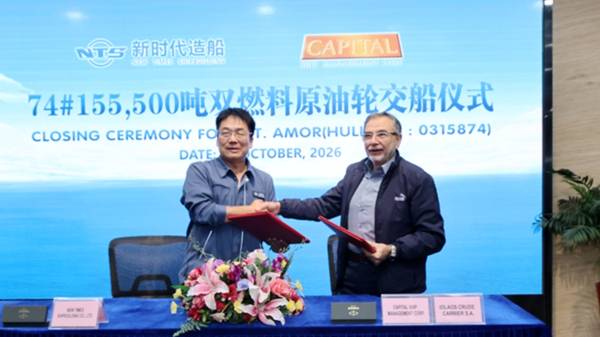
LNG dual-fuel crude tanker handed over to Capital
Jiangsu New Times Shipbuilding delivers the 155,500-DWT LNG dual-fuel crude oil vessel Amor. |
|
|
|
||
|
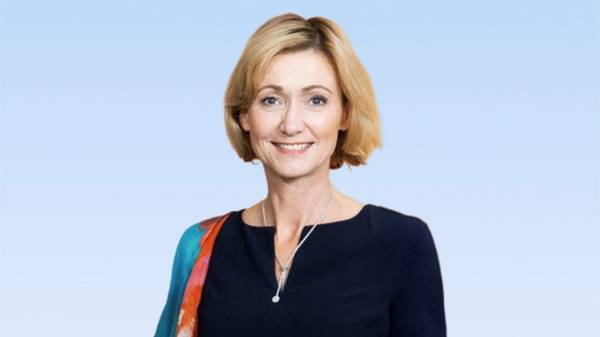
Gasum names Lowina Lundström as vice president, biogas
Former EIT InnoEnergy executive joins Gasum's management team to lead biogas business development from 1 December. |
|
|
|
||
|
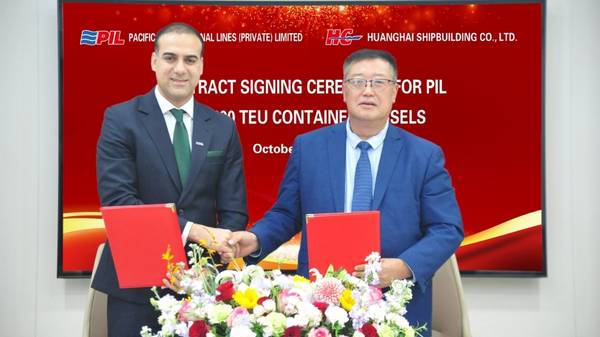
PIL orders seven methanol-ready feeder vessels from Huanghai Shipbuilding
Singapore carrier's 1,400-TEU newbuilds will boost intra-Asia capacity and support its 2050 net zero target. |
|
|
|
||
|
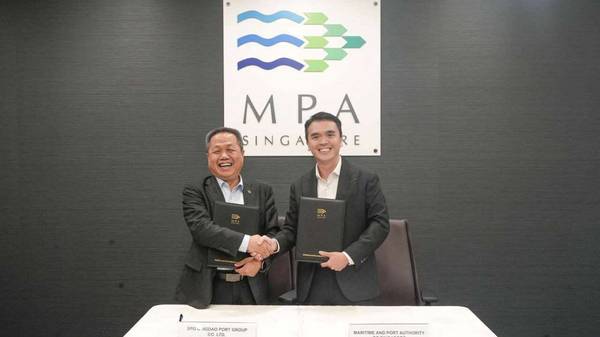
Singapore and Qingdao sign work plan to advance green and digital shipping corridors
MPA and Shandong Port Group’s Qingdao Port have agreed to pursue methanol bunkering pilots and data-sharing initiatives between the two ports. |
|
|
|
||
|
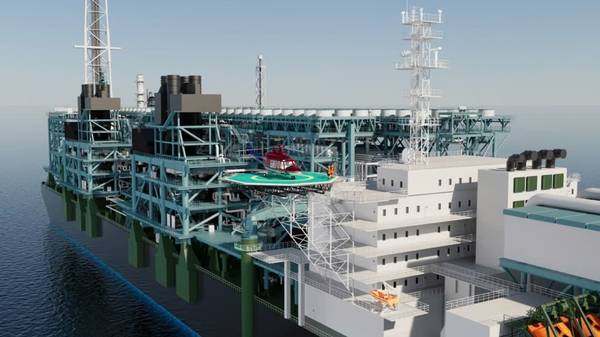
Wärtsilä to supply dual-fuel engines and thrusters for Delfin Midstream's FLNG vessel
Finnish technology group lands propulsion order for first floating LNG vessel built for US Gulf export project. |
|
|
|
||
|
Uni-Fuels advertises for senior bunker trader in Dubai
Nasdaq-listed firm recruiting for its trading team as it aims to drive growth. |
|
|
|
||
|
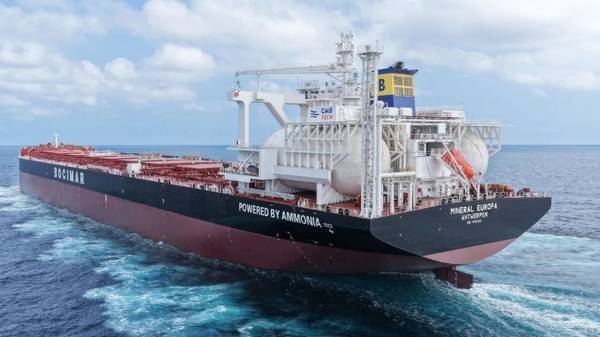
Green ammonia bunkered to ammonia-powered bulk carrier in Australian first
Pilbara Ports, Fortescue and CMB.Tech complete a ship-to-ship ammonia transfer at Port Hedland, supporting plans for a clean fuel bunkering hub in the region. |
|
|
|
||
|
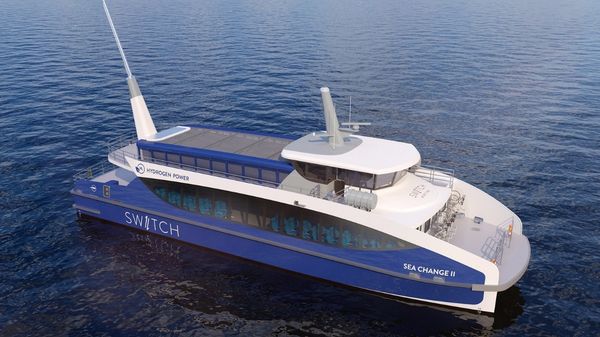
US Coast Guard agrees design framework for hydrogen-fuelled New York ferry
Switch Maritime and Incat Crowther reach regulatory agreement for a 150-passenger hydrogen fuel cell-electric fast ferry intended for New York's waterways. |
|
|
|
||
|
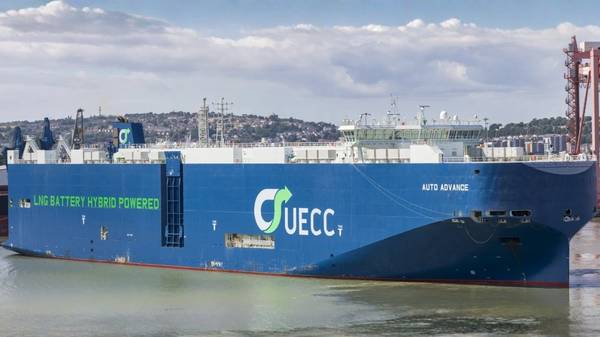
UECC fits WE Tech hybrid power systems on newbuild ro-ro vessels
Norwegian short-sea operator says battery and shaft generator technology from WE Tech Solutions has cut fuel use and auxiliary engine reliance on three newbuilds. |
|
|
|
||
|
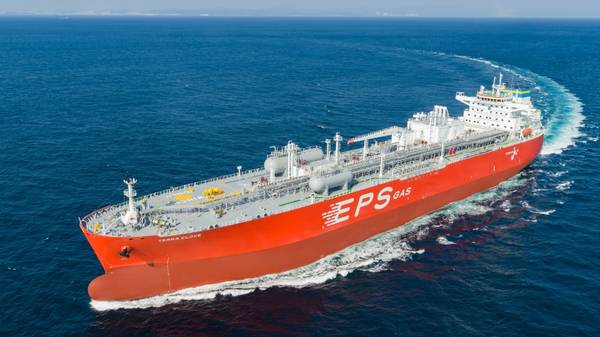
Envision's green ammonia used to bunker world's first VLAC
Chinese energy group supplies vessel owned by Eastern Pacific Shipping as it links production and marine fuel supply chains. |
|
|
|
||
| LNG dual-fuel crude tanker handed over to Capital [News & Insights] |
| PIL orders seven methanol-ready feeder vessels from Huanghai Shipbuilding [News & Insights] |
| Wärtsilä to supply dual-fuel engines and thrusters for Delfin Midstream's FLNG vessel [News & Insights] |
| US Coast Guard agrees design framework for hydrogen-fuelled New York ferry [News & Insights] |
| UECC fits WE Tech hybrid power systems on newbuild ro-ro vessels [News & Insights] |
