
 |
Marine fuel testing company VPS has reported widespread contamination of very-low-sulphur fuel oil (VLSFO) with elevated catalytic fines (cat fines) levels across six major bunkering locations between August 11-31, 2025.
The contamination, detected through VPS's fuel quality testing service, affected supplies in East Coast USA, Singapore, Rotterdam, Hamburg, Algeciras, and Port Louis, with cat fines levels — a combination of aluminium and silicon particles — ranging from 62ppm to 176ppm.
According to Steve Bee, Group Marketing & Strategic Projects Director at VPS, the issue prompted the release of seven VPS Bunker Alerts during the three-week period, with Bee himself referring to the sequence of events in recent weeks as a "global pandemic".
The East Coast USA experienced the highest contamination levels, with fuel from a single supplier in Boston and New York containing cat fines between 70ppm-176ppm. Singapore recorded levels of 67ppm-156ppm across four suppliers, while Algeciras saw contamination ranging from 61ppm-92ppm from two suppliers.
In European ports, Rotterdam had three suppliers delivering fuel with cat fines levels between 61-78ppm, and Hamburg recorded levels of 62ppm-66ppm from two suppliers. Port Louis reported the lowest contamination range at 63-65ppm across three suppliers.
VPS warns that elevated levels of these abrasive particles can cause accelerated wear to diesel engine components including piston rings, cylinder liners, and fuel pumps if not reduced to acceptable levels.
Cat fines are catalyst particles that can remain in marine fuel oil following the refining process and pose risks to engine performance when present in excessive quantities.
VPS says it is offering support to shipowners and operators affected by high cat fines contamination.
|
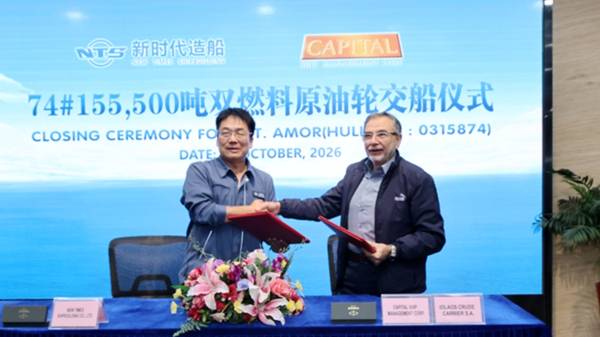
LNG dual-fuel crude tanker handed over to Capital
Jiangsu New Times Shipbuilding delivers the 155,500-DWT LNG dual-fuel crude oil vessel Amor. |
|
|
|
||

|
Gasum names Lowina Lundström as vice president, biogas
Former EIT InnoEnergy executive joins Gasum's management team to lead biogas business development from 1 December. |
|
|
|
||
|
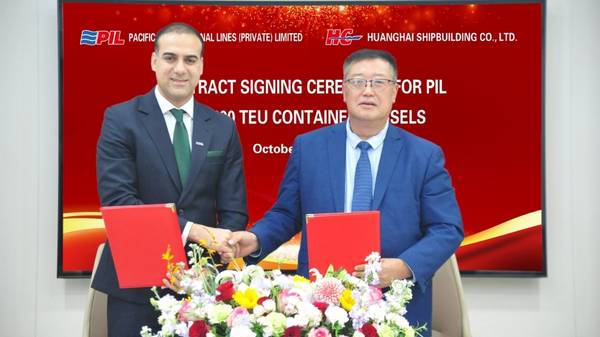
PIL orders seven methanol-ready feeder vessels from Huanghai Shipbuilding
Singapore carrier's 1,400-TEU newbuilds will boost intra-Asia capacity and support its 2050 net zero target. |
|
|
|
||
|
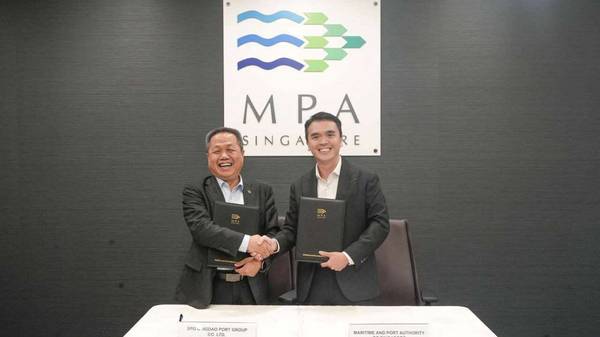
Singapore and Qingdao sign work plan to advance green and digital shipping corridors
MPA and Shandong Port Group’s Qingdao Port have agreed to pursue methanol bunkering pilots and data-sharing initiatives between the two ports. |
|
|
|
||
|
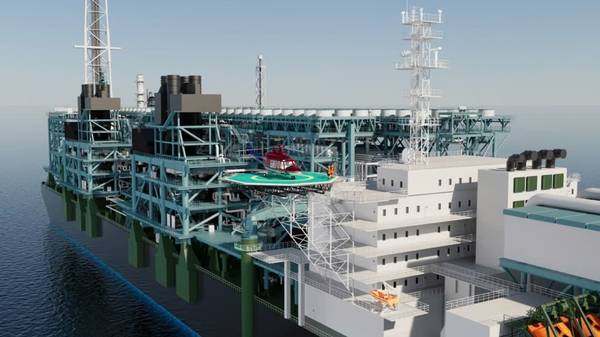
Wärtsilä to supply dual-fuel engines and thrusters for Delfin Midstream's FLNG vessel
Finnish technology group lands propulsion order for first floating LNG vessel built for US Gulf export project. |
|
|
|
||
|
Uni-Fuels advertises for senior bunker trader in Dubai
Nasdaq-listed firm recruiting for its trading team as it aims to drive growth. |
|
|
|
||
|
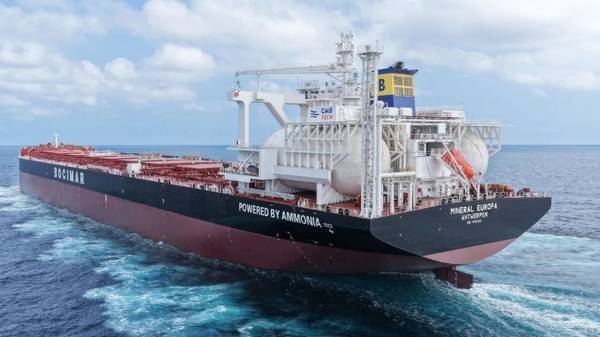
Green ammonia bunkered to ammonia-powered bulk carrier in Australian first
Pilbara Ports, Fortescue and CMB.Tech complete a ship-to-ship ammonia transfer at Port Hedland, supporting plans for a clean fuel bunkering hub in the region. |
|
|
|
||
|
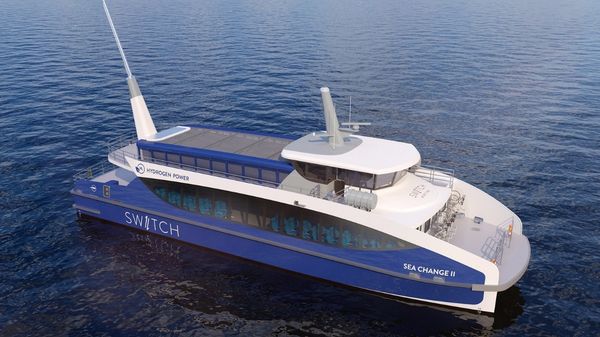
US Coast Guard agrees design framework for hydrogen-fuelled New York ferry
Switch Maritime and Incat Crowther reach regulatory agreement for a 150-passenger hydrogen fuel cell-electric fast ferry intended for New York's waterways. |
|
|
|
||
|
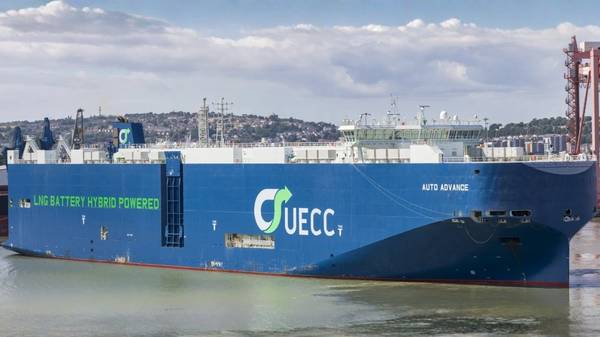
UECC fits WE Tech hybrid power systems on newbuild ro-ro vessels
Norwegian short-sea operator says battery and shaft generator technology from WE Tech Solutions has cut fuel use and auxiliary engine reliance on three newbuilds. |
|
|
|
||
|
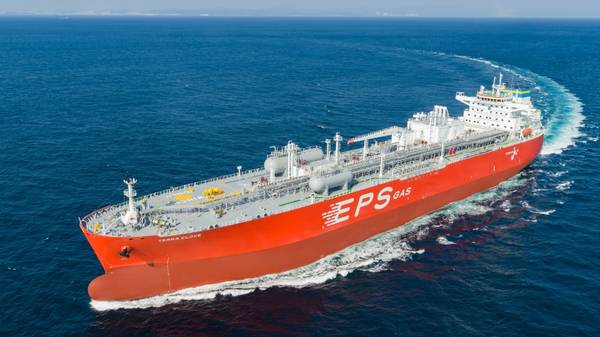
Envision's green ammonia used to bunker world's first VLAC
Chinese energy group supplies vessel owned by Eastern Pacific Shipping as it links production and marine fuel supply chains. |
|
|
|
||
| How to engineer and manage green shipping fuels | Stanley George, VPS [News & Insights] |
| Is your vessel fully protected from the dangers of poor-quality fuel? | Steve Bee, VPS [News & Insights] |
| Methanol as a marine fuel | Steve Bee, VPS [News & Insights] |
| VPS to host Athens seminar on fuel efficiency and carbon reduction [News & Insights] |
| Singapore launches series of measures at SIBCON 2026 [News & Insights] |
| VPS outlines marine fuel standards and quality data at SIBCON 2026 [News & Insights] |
| Singapore launches ammonia bunkering code and new standards for fuel sampling and polymer testing [News & Insights] |
| Singapore safety council inspects methanol bunker tanker Golden Centaurus [News & Insights] |
