Tue 13 May 2008, 09:12 GMT

Marshall Islands accedes to five UN conventions


Pacific Ocean nation accedes to UN treaties on marine pollution and safety


The Marshall Islands has acceded to five important International Maritime Organization (IMO) conventions that aim to discourage environmental pollution and promote safety on the high seas.

Mr. Joseph A. Bigler, Counsellor to the Maritime Administration, Republic of the Marshall Islands, has deposited with IMO Secretary-General, Efthimios E. Mitropoulos, instruments of accession to the 1996 Protocol to the Convention on the Prevention of Marine Pollution by Dumping of Wastes and Other Matter, 1972 (1996 London Convention Protocol); the International Convention on the Control of Harmful Anti-fouling Systems on Ships, 2001 (AFS Convention); the Protocol of 2005 to the Convention for the Suppression of Unlawful Acts against the Safety of Maritime Navigation, 1988 (2005 SUA Convention); the Protocol of 2005 to the Protocol for the Suppression of Unlawful Acts against the Safety of Fixed Platforms Located on the Continental Shelf, 1988 (2005 SUA Protocol); and the International Convention on Civil Liability for Bunker Oil Pollution Damage, 2001 (2001 Bunkers Convention).

The 1996 London Convention Protocol revises the structure of the original Convention, codifies the precautionary approach, prohibits the practice of incineration at sea (except for emergencies), and prohibits the export of wastes or other matter to non-Parties for the purpose of dumping or incineration at sea. It entered into force on 24 March 2006; accession by the Marshall Islands brings the number of States having ratified the Protocol to 35 and the tonnage figure to 29.73 per cent of the world’s fleet.

When in force, the AFS Convention will prohibit the use of harmful organotins in anti-fouling paints used on ships and will establish a mechanism to prevent the potential future use of other harmful substances in anti-fouling systems. Parties to the Convention are required to prohibit and/or restrict the use of harmful anti-fouling systems on ships flying their flag, as well as ships not entitled to fly their flag but which operate under their authority, and all ships that enter a port, shipyard or offshore terminal of a Party. The Convention will enter into force, generally and for the Marshall Islands, on 17 September 2008. Accession by the Marshall Islands brings the number of States having ratified the Convention to 30 and the tonnage figure to 49.17 per cent of the world’s fleet.

The 2005 SUA Convention amends the original treaty, by broadening the list of offences to include terrorist offences (such as the offence of using a ship itself in a manner that causes death or serious injury or damage and the transport of weapons or equipment that could be used for weapons of mass destruction). It also introduces provisions for the boarding of ships where there are reasonable grounds to suspect that the ship or a person on board the ship is, has been, or is about to be, involved in committing an offence regulated by the Convention.

The 2005 SUA Protocol extends the scope of provisions on the new offences to fixed platforms on the continental shelf, as appropriate. Neither the Convention nor the Protocol is yet in force.

The 2001 Bunkers Convention was adopted to ensure that adequate, prompt, and effective compensation is available to persons who suffer damage caused by spills of oil, when carried as fuel in ships' bunkers, and will enter into force, both generally and for the Marshall Islands, on 21 November 2008.

IMO secretary general Efthimios Mitropoulos expressed satisfaction with Marshall Islands’ action and the hope that many other IMO Members would do the same, at the earliest opportunity, to the benefit of enhanced safety, security and environmental protection.


VPS logo. Fuel quality management for vessels in extended idle: Arabian Gulf, Gulf of Oman and adjacent anchorages | Rahul Choudhuri, VPS  

Managing fuel quality deterioration following the closure of the Strait of Hormuz.

Person signing a document. Agastya Green Fuels signs 250,000 t/yr e-methanol offtake deal with Sri Lanka’s SAR Group  

Indian producer and Sri Lankan maritime firm agree long-term green methanol supply partnership.

Bunker Holding logo. Bunker Holding seeks risk specialist for Copenhagen internal pricing desk  

Danish bunker group is expanding its internal pricing team to meet growing demand for fixed-price solutions.

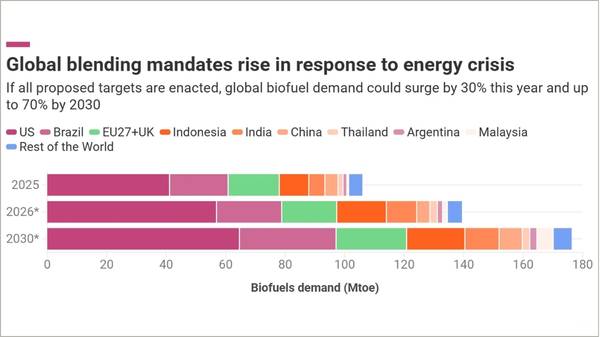
Global biofuels demand chart. Biofuel demand could surge 70% by 2030 as food price fears mount  

T&E warns governments risk trading an oil crisis for a food crisis as biofuel targets strain vegetable oil and fertiliser markets.

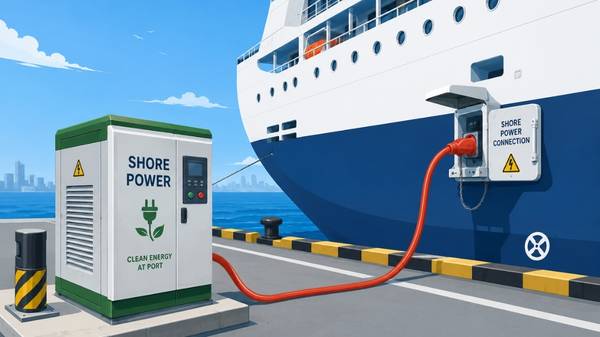
Shore power illustration. Shore power shifts from voluntary measure to compliance requirement, DNV white paper finds  

Shore power is moving from an optional emissions tool to a regulatory obligation for shipowners in key trades.

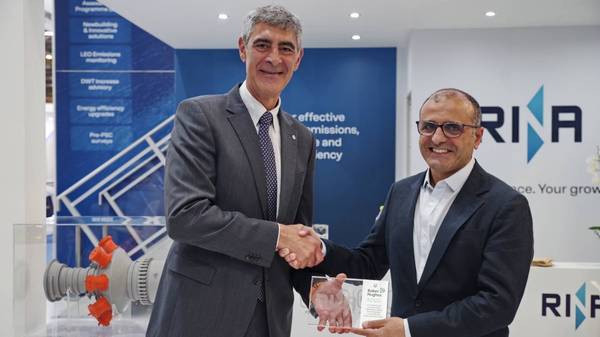
Giosuè Vezzuto and Ahmed Eldemerdash. Baker Hughes’ NovaLT 16 gas turbine receives RINA type approval for marine propulsion on hydrogen and natural gas  

Certification covers operation on natural gas and blends up to 100% hydrogen for marine use.

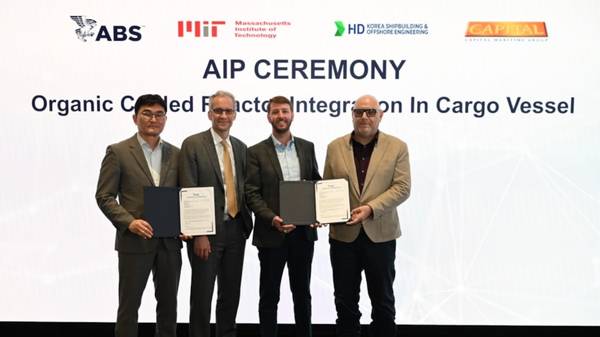
AiP award ceremony for nuclear reactor integration in cargo vessel design. ABS grants approval in principle for nuclear reactor integration in cargo vessel design  

ABS, HD KSOE, Capital Maritime Group and MIT have received approval in principle for a nuclear-powered cargo vessel propulsion system.

Green e-fuel export corridor consortium partners logos. Green e-fuel export corridor between Brazil and Belgium advances to feasibility stage  

A consortium has been formed to develop a green e-fuel corridor linking Porto do Açu to Antwerp-Bruges.

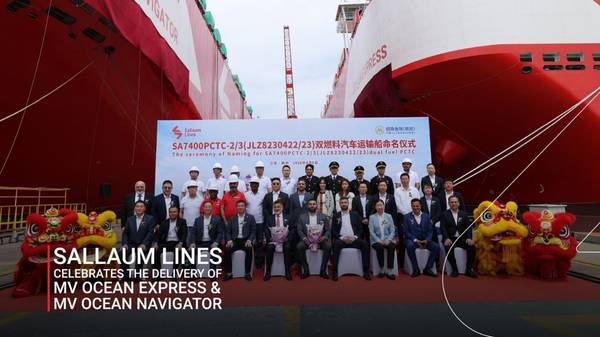
Naming ceremony of Ocean Express and Ocean Navigator vessels. Sallaum Lines takes delivery of two LNG-fuelled PCTCs in simultaneous handover ceremony  

RoRo carrier receives MV Ocean Express and MV Ocean Navigator from Chinese shipyard.

Person signing a document. Agastya Group signs MoU with Andhra Pradesh government for 1 MTPA green methanol hub at Mulapeta Port  

India-based Agastya Group plans a $6.5bn green methanol export facility on the country's east coast.