
|
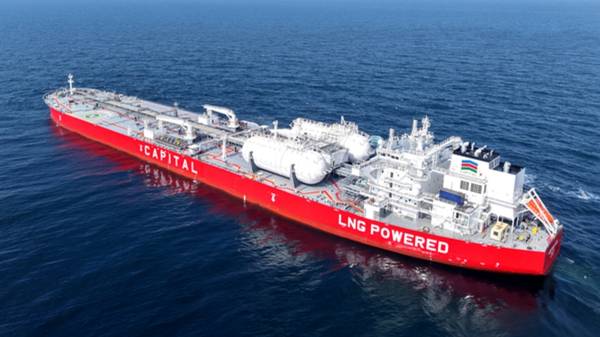
Chinese shipbuilder delivers 155,500-dwt LNG dual-fuel crude oil tanker
Vessel handed over to Capital Ship Management Corp in China. |
|
|
|
||
|
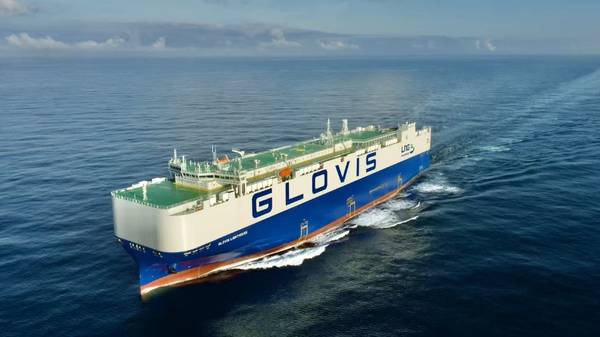
Seaspan takes delivery of first 10,800-ceu dual-fuel LNG car carrier
Glovis Lighthouse enters service as one of a handful of vessels globally to exceed 10,000 CEU capacity. |
|
|
|
||
|
Rotterdam study maps pathway for nuclear-powered commercial ship port calls
A joint study by Lloyd's Register, the Port of Rotterdam, Core Power and Maersk examines the feasibility of nuclear vessel port calls. |
|
|
|
||
|
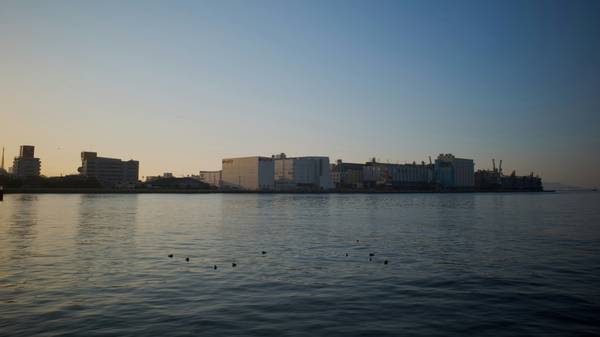
Kinkai Yusen conducts first biofuel demonstration on domestic ro-ro vessel at Hakata Port
Japanese shipping company to trial B24 biofuel blend aboard the vessel Nanotsu on 16 June. |
|
|
|
||
|
Norwegian Energy Trading renews ISCC certification for biofuel trading
Norwegian bunker trader says renewal reflects growing biofuel volumes and commitment to verifiable sustainability standards. |
|
|
|
||
|
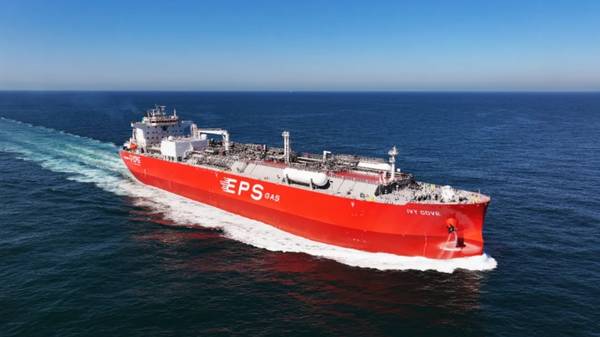
Jiangnan delivers VLAC with LPG dual-fuel main engine
Vessel is claimed to be the world’s first 93,000 cbm very large ammonia carrier. |
|
|
|
||
|
BIMCO adopts biofuel clause for time charter parties
Shipping body has introduced a new contractual clause to govern the use of biofuels under time charter agreements. |
|
|
|
||
|
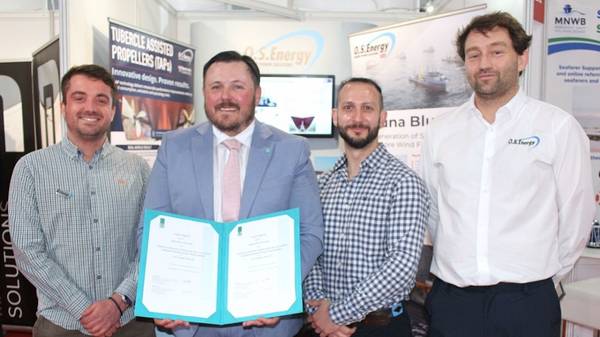
UK research vessel Prince Madog wins LR certification for hydrogen fuel cell retrofit
Lloyd’s Register certifies what is claimed to be the first sea-going, manned hydrogen retrofit of its kind. |
|
|
|
||

|
World Fuel seeks marine lube operations and sales executive in Greece
US firm is recruiting for a commercial role focused on marine lubricants, based out of its Glyfada office. |
|
|
|
||
|
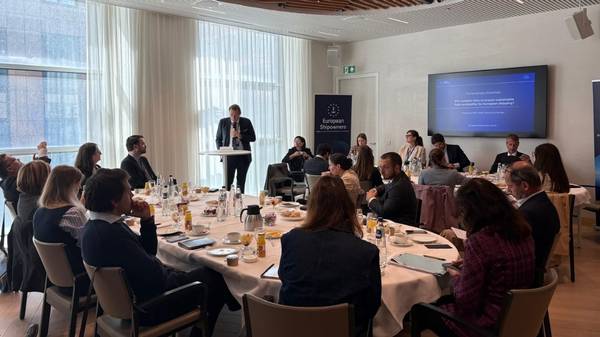
European Shipowners calls for fuel supplier mandates and ETS revenue investment ahead of policy revision
Industry body urges EU policymakers to redirect carbon revenues into clean marine fuel production. |
|
|
|
||
| CSL Group's Frank Dahan appointed chair of IBIA's Americas regional board [News & Insights] |
| Mitropoulos tells Copenhagen IMO is ready to act [News & Insights] |
| MARPOL, SOLAS amendment summary [News & Insights] |
| Closing remarks by Secretary-General at 'momentous' MEPC 70 [News & Insights] |
| IMO approves Initial Strategy follow-up programme [News & Insights] |

