This is a legacy page. Please click here to view the latest version.
Mon 11 Jul 2011, 11:22 GMT

South Africa: Supplies set to be hit by oil strike


Plans to curb production at Durban's second-largest refinery as a result of protest by oil workers.


Approximately 70,000 workers at oil refineries and related industries in South Africa have joined a week-long protest by steel and engineering employees, in a move which is set to have an impact on supplies of bunker fuel and other oil products.

The Chemical, Energy, Paper, Printing, Wood and Allied Workers Union (CEPPWAWU) said workers had downed tools today to march through the streets of South Africa's industrial centres demanding a minimum salary of 6,000 rand (approximately $900) per month.

Speaking to French news agency Agence France-Presse (AFP), union spokesperson John Appolis said: "It's clearly going to have a major impact on the supply of fuel."

It is understood that there are plans to curb production at Durban's second-largest refinery - the 125,000 barrels-per-day Petronas Durban Refinery - operated by refiner and bunker supplier Engen Petroleum Ltd. Malaysia's state-owned oil company, Petroliam Nasional Bhd. (Petronas) has an 80 percent stake in the refinery, which is one of the principal supply sources for the South African bunker market.

South Africa's largest refinery, the 172,000 barrels-per-day Sapref refinery, has said it would not be shutting down as a result of the protests.

"Although CEPPWAWU has called for a national strike, Sapref does not anticipate that they will need to shut down," Margaret Rowe, spokeswoman for the Shell and BP 50-50 joint venture, said in an email.

"Sapref intends to continue operating for as long as it is safe to do so," added Rowe.

Located in Durban, the Sapref refinery has around 35 percent of South Africa’s total refining capacity. The plant processes 24,000 tonnes of crude per day, producing 10 main products and 46 different grades, including 180-centistoke (cst), marine diesel oil (MDO) and marine gas oil (MGO) for the bunker market.

The port of Durban is the country's largest in terms of cargo volume and marine fuel sold. It accounts for approximately 70 percent of total bunker demand in South Africa, which is estimated to be approximately 3.3 million metric tonnes per year. Annual volumes at the port are around 2.3 million tonnes.


TMS Tankers logo. Lloyd’s Register delivers fleet-wide energy transition roadmap for TMS Tankers  

LR Advisory maps vessel-level compliance risk and decarbonisation pathways across the Greek owner’s tanker fleet.

Dr Prapisala Thepsithar, GCMD. GCMD shares biofuel assurance and green finance insights at Hong Kong shipping decarbonisation forum  

The Global Centre for Maritime Decarbonisation presented pilot findings on biofuels and energy efficiency financing.

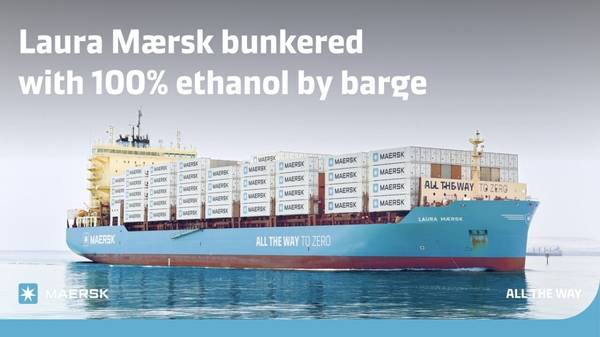
Laura Maersk ethanol bunkering graphic. Maersk conducts large-scale ethanol bunkering trial on Laura Maersk in Rotterdam  

A.P. Moller – Maersk has conducted a barge-delivered ethanol bunkering operation as part of ongoing fuel trials.

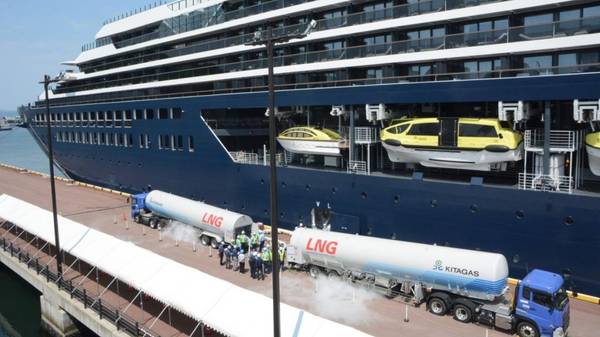
Luminara vessel truck-to-ship bunkering. MOL Techno-Trade completes first LNG bunkering for international cruise ship in Hokkaido  

Truck-to-ship LNG operation at Hakodate marks first such supply to an international cruise vessel in Hokkaido.

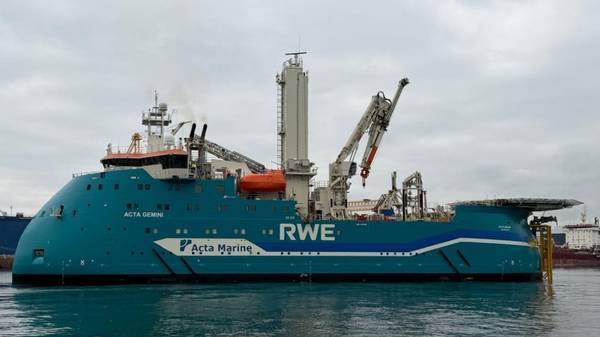
Acta Gemini vessel. Acta Marine takes delivery of methanol dual-fuel CSOV Acta Gemini for RWE wind farm charter  

The vessel will support operations at the Sofia Offshore Wind Farm at Dogger Bank.

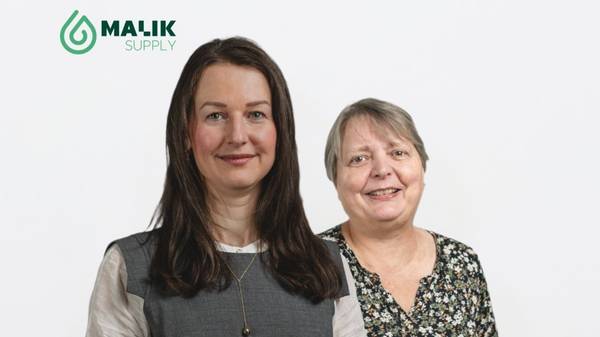
Yeva Wood and Kirsten Møller Jørgensen. Malik Supply expands Danish team with bunker trader and finance hire  

Danish bunker supplier Malik Supply adds two new staff across its Fredericia and Aalborg offices.

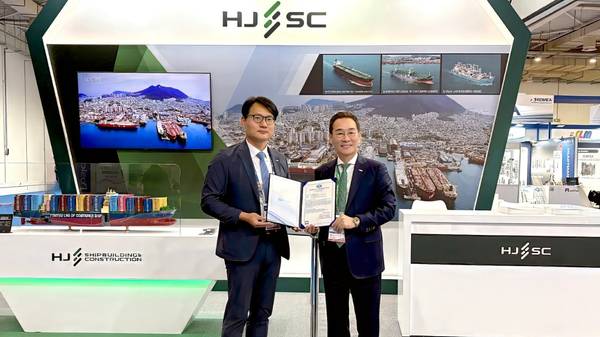
AiP award ceremony for a 10,000-teu biofuel-powered container ship. HJSC wins AiP for 10,000-teu biofuel-powered container ship design  

South Korean shipbuilder HJ Shipbuilding & Construction receives classification society approval for its biofuel vessel design at Posidonia.

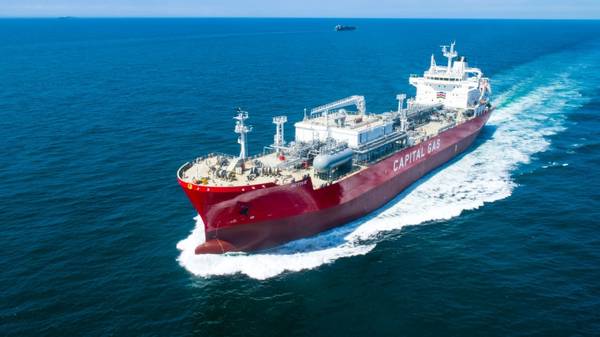
Active vessel. Capital Clean Energy Carriers takes delivery of LNG carrier and dual-fuel gas carrier, secures five new charters  

Athens-based CCEC expands its fleet and pushes contracted revenue backlog to $3.1bn.

VPS logo. Fuel quality management for vessels in extended idle: Arabian Gulf, Gulf of Oman and adjacent anchorages | Rahul Choudhuri, VPS  

Managing fuel quality deterioration following the closure of the Strait of Hormuz.

Person signing a document. Agastya Green Fuels signs 250,000 t/yr e-methanol offtake deal with Sri Lanka’s SAR Group  

Indian producer and Sri Lankan maritime firm agree long-term green methanol supply partnership.


↑  Back to Top


 Recommended