This is a legacy page. Please click here to view the latest version.
Thu 23 Sep 2010, 19:25 GMT

Using existing technology to cut fuel costs


Manufacturer says fuel savings of up to 9% can be achieved by using its ‘next generation’ hull coating.


Ahead of the forthcoming Marine Environmental Protection Committee (MEPC) meeting, International Paint, a leading marine coatings manufacturer and part of AkzoNobel, today said that improved efficiency and reduced CO2 emissions can be achieved by utilizing simple, proven and readily available technology.

International Paint has pioneered the development of Fluoropolymer Foul Release technology, which is said to produce fuel savings and an associated emissions reduction of up to 9% as well as improved service speed. To date over 400 vessels are now using this technology, branded Intersleek 900, as a means of improving both operational and environmental efficiencies.

“If 400 vessels were using sails, solar power, or any other complex, high profile technology, the industry would be lauded as one of the world’s most environmentally progressive transport industries,” said John Wilsher, Market Manager, Intersleek, International Paint.

“The reality is that it is the simple, proven solutions that are already making a significant impact, without necessarily receiving the recognition they deserve at an international level.”

Wilsher continued: “It is becoming increasingly clear that ship owners and operators will struggle to fully embrace complex technologies that require specialist skills to operate and often engender high maintenance costs. The reality is that Fluoropolymer Foul Release technology is a quick win for the industry, and a great example of how a simply applied technology can have a huge impact on improving efficiency and reducing emissions. If Intersleek 900 was applied to the whole commercial fleet, CO2 emissions could be reduced by almost 100 million tonnes every year. Few, if any, technologies in other sectors can say that.”

"Fluoropolymer Foul Release technology is the most advanced ‘next generation’ hull coating within the shipping industry. The 9% reduction is a conservative estimate with some vessels realising significantly more and represents efficiencies gained over extended periods," International Paint added.


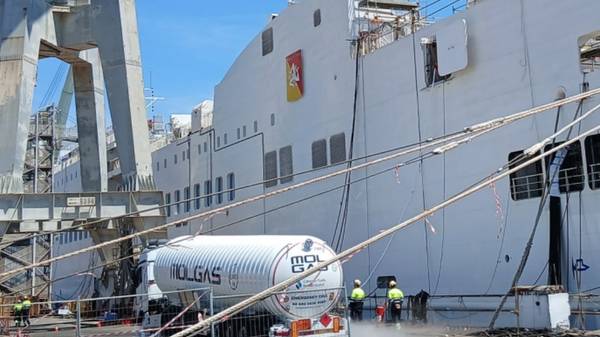
Truck-to-ship (TTS) LNG bunkering at Port of Palermo. Molgas completes first LNG bunkering operation at Palermo  

Spanish energy firm carries out maiden LNG delivery at Sicilian port.

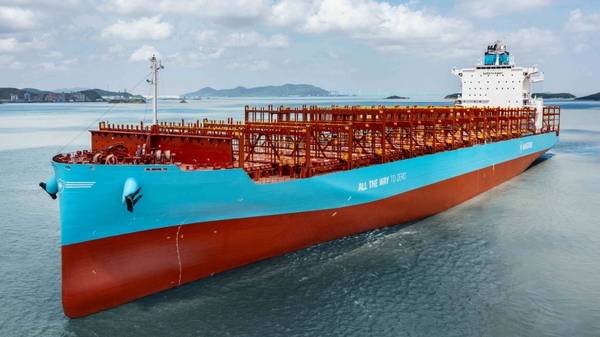
Maersk 5,900-teu vessel. Tsuneishi China delivers third methanol dual-fuel boxship in series  

Zhoushan shipbuilder hands over another 5,900-teu Maersk container vessel.

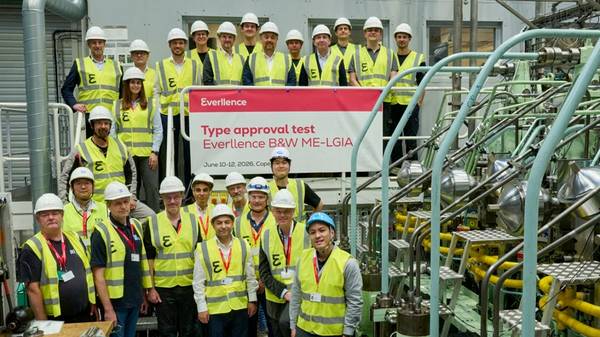
Type approval test (TAT) for ME-LGIA ammonia engine. Everllence completes type approval test for ammonia engine ahead of sea trials  

Eight classification societies oversee testing of ME-LGIA ammonia engine at Copenhagen research centre.

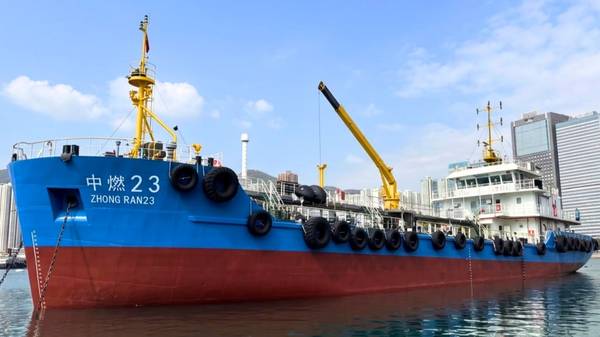
Zhong Ran 23 vessel. CPN bunker barge becomes first vessel listed under Hong Kong’s new quality bunkering scheme  

Zhong Ran 23 achieves listing under the Marine Department’s voluntary mass flow metering initiative.

Peder Moller, Bunker Holding. Bunker Holding posts $73m pre-tax profit amid geopolitical headwinds and board overhaul  

Marine fuels exceeds its own expectations despite 4% revenue decline.

Oilmar Board of Directors graphic. Oilmar formalises governance structure with establishment of board of directors  

Dubai-based marine fuels trader Oilmar appoints three-member board.

Henrik Andersen, Vestas Wind Systems A/S. Vestas Wind Systems CEO appointed vice chair of Bunker Holding  

Henrik Andersen joins the board of the marine fuels group with more than two decades of international business experience.

Tina Revsbech, Maersk Tankers. Maersk Tankers CEO Tina Revsbech joins Bunker Holding board  

Danish USTC Group appoints shipping veteran to subsidiary’s board of directors.

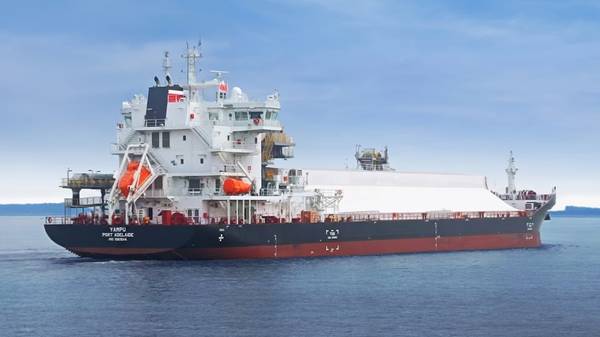
Yampu vessel. CSL delivers world’s first battery-powered self-unloading bulk carrier  

MV Yampu will transport limestone for Adbri in Australia, with full electric operation targeted by 2031.

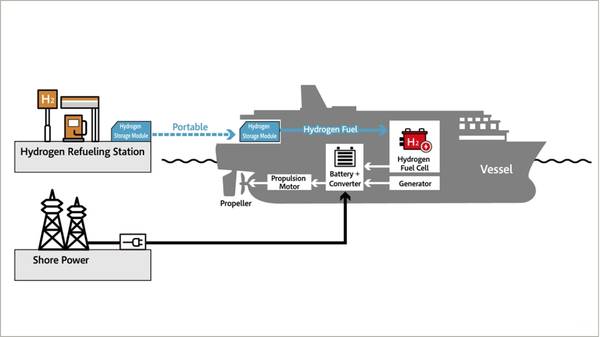
Illustration of hydrogen fuel cell system. NYK, Yanmar and Eneos to install hydrogen fuel cell system on new Tokyo dining cruise vessel  

Three Japanese companies are collaborating to bring hydrogen propulsion to a dining cruise ship due to enter service in 2027.


↑  Back to Top


 Recommended