Wärtsilä has signed a major contract with the
A.P. Moller Maersk Group for the installation of Wärtsilä
Slow Steaming Upgrade Kits on 34 of the company’s large container vessels, following the 'successful' installation and testing on one of the fleet’s sister vessels in late 2009.
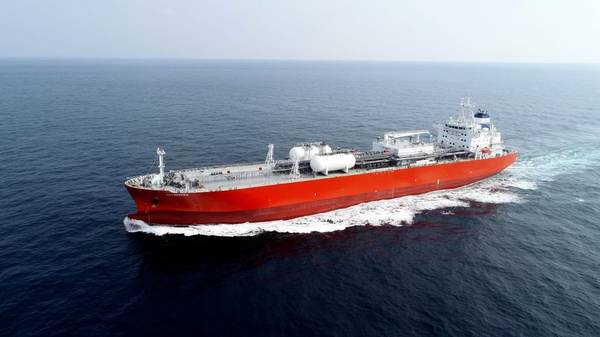
The 34 ships to be fitted with Slow Steaming Upgrade Kits are powered by Wärtsilä RT-flex96C and RTA96C main engines with 10, 11 and 12 cylinders.
Applied to the Wärtsilä low-speed main engines, the company says its upgrade kits will produce major savings in the ships’ fuel consumption while also cutting CO2 emissions.
The upgrade kits will be fitted by Wärtsilä as fully engineered solutions, with the company supplying all necessary material, labour, ship-specific engineering and full project management.
It is anticipated that as a result of installing the Wärtsilä Slow Steaming Upgrade Kits, these vessels will achieve fuel savings of between 3% and 7% with the engine running at low load. These savings are in addition to those attained through reducing speed to slow steaming operation.
“During recent years we have been continuously looking into solutions that improve the overall fuel efficiency and emissions of our vessels. As operators and charterers of the world’s largest container ships fleet, we soon recognized the savings potential of optimizing ship speed, and we have been a forerunner in the wide implementation of slow and super slow steaming as a means for substantial fuel consumption and emissions reduction. The Wärtsilä Slow Steaming Upgrade Kit provides us with a solution for further fuel savings, while maintaining the necessary full operational flexibility of the ships. The contract for the Upgrade Kits is an important decision for us,” said
Palle Laursen, Vice President, Maersk Line.
Major fuel cost savings
The fuel savings are achieved by cutting out one of the engine’s turbochargers at engine loads of less than about 60% (this figure is valid for engines with three turbochargers), thereby providing greater scavenge air pressure for better combustion and optimal engine component temperatures. This cut out is controlled and fully automated.
In addition to fuel savings, the Wärtsilä solution is said to provide full flexibility – with unrestricted operation from 10% to 100% load. The engine is not permanently derated, but retains full flexibility so that it can be operated at any time up to its full installed power for full sea speed. It also decreases the risk of engine fouling and excessive component temperatures.
The upgrade kit involves fitting shut-off valves in the engine’s exhaust duct before the turbocharger turbine, and in the scavenge air duct after the compressor. The valves are remotely operated by a control system included in the upgrade kit.
Customized for emissions compliance
The upgrade kit is available for most Wärtsilä RTA and RT-flex engines with multiple turbochargers. The achievable
Break Specific Fuel Consumption (BSFC) figures are strongly dependent on the final NOX emission balances over the whole load range. For ships that must comply with the IMO NOX emissions regulations, the restrictions imposed by the emissions limits will be evaluated in each case and a customized turnkey package is then offered.
Since its introduction in 2009, Wärtsilä has received orders for Slow Steaming Upgrade Kits for 47 vessels.
Citing an example to demonstrate the results that can be achieved, Wärtsilä said: "A typical example is that of a larger container vessel, powered by a 12-cylinder Wärtsilä RTA96C with a 60,000 kW continuous rating output. On a roundtrip from Northern Europe to China and back, which takes 8 weeks at a ship speed of 24 knots, the total main engine fuel savings for the roundtrip are in excess of 2900 tons sailing at 20 knots.
"With the Upgrade Kit installed, the additional savings amount to 210 tons, which corresponds to approximately USD 95,000 in additional savings on one roundtrip. At the same time, the CO2 emissions will be reduced by more than 9000 tons thanks to the reduced speed, and by an additional 650 tons using the Slow Steaming Upgrade Kit."
Slow steaming has become an established means of operating vessels, particularly for container ships. Driven by over-capacity in the market and by the necessity to cut fuel costs, ship owners and charterers have had to adjust their services and the sailing speed of their ships. Important industry players see this as a continuing trend with container line operators. The benefits are evident as slow steaming provides substantial reductions in fuel consumption and significant savings in overall operating costs.